
ISSCR News

Encellin Announces New Phase 1 Clinical Progress at ISSCR 2026 Showing Early Evidence of Non-Fibrotic Engraftment of Cell Therapy Implant for Type 1 Diabetes
Encellin today announced new clinical progress from its ongoing Phase 1 study evaluating its implantable cell therapy platform for people with type 1 diabetes. The company made the announcement in connection with the International Society for Stem Cell Research (ISSCR) 2026 Annual Meeting, reporting non-fibrotic engraftment across all seven participants enrolled in the trial, along with host vascularization at the implant site and identification of transplanted islets in multiple participants. The findings build upon interim results first reported in January 2026 and reflect a larger patient cohort, with analysis of the full clinical dataset ongoing.
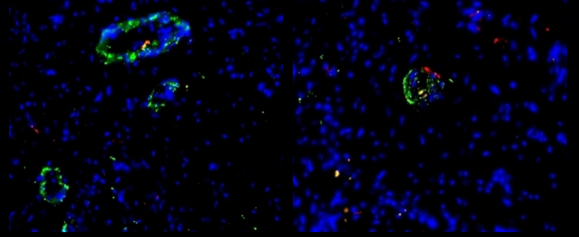
Vascular Organoid Patches Offer New Hope for Coronary Artery Disease Treatment
Ischemic heart disease (IHD), also known as coronary artery disease, is a leading cause of death and morbidity in western countries. IHD arises when blood vessels of the heart become clogged, blunting oxygen and nutrient supply to heart muscle cells, which eventually die off, leading to heart attack or heart failure. Although larger blood vessels can be replaced surgically to restore blood flow, there is currently no treatment targeting smaller blood vessels, so-called microvessels, which are essential for the uniform blood circulation within the heart muscle.
Yasuhiro Shudo and his team from Stanford University, USA have tested a method to regenerate microvessels in the heart with stem cell-derived vascular organoids. Their work was published today in Stem Cell Reports.
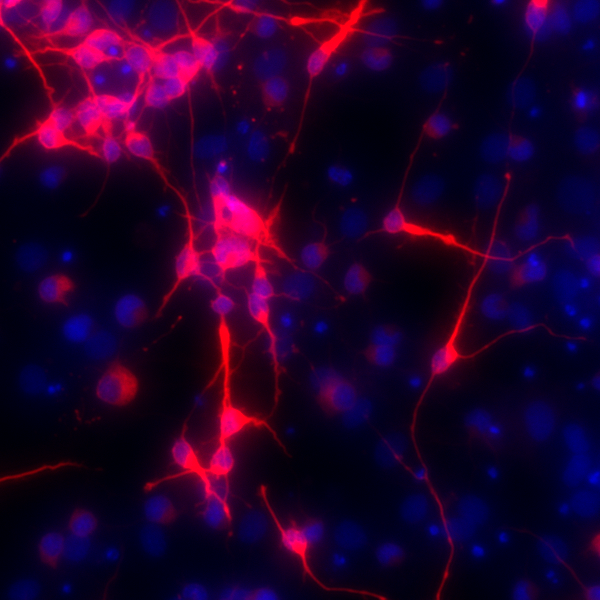
High Fructose During Pregnancy Impairs Stem Cell Function in the Fetal Brain
Nutritional imbalance during pregnancy can have long-lasting effects on the health status and disease susceptibility of the offspring. As such, high fructose intake through sweetened food and beverages in pregnant women has been associated with an increased susceptibility to diabetes and cardiovascular disease, as well as neurological and cognitive impairments in the offspring. Currently, it is not well understood how early life exposure to fructose has such long-lasting effects on the cellular and molecular level.
In a recent paper published in Stem Cell Reports, Hiroya Yamada’s team from Fujita Health University School of Medicine, Toyoake, Japan found that the performance of adult rats in learning and memory tests was impaired when the rats had been exposed to high fructose in before birth by feeding their mothers with high fructose corn syrup

Bayer Named Founding Member of the ISSCR Consortium on Advanced Stem Cell-Based Models in Drug Discovery and Development
The International Society for Stem Cell Research (ISSCR) announces today that Bayer is a Founding Member of the ISSCR Consortium on Advanced Stem Cell-Based Models in Drug Discovery and Development, a global cross-sector initiative focused on accelerating the responsible integration of human stem cell-derived models into preclinical drug development.
Co-chaired by Daniela Cornacchia, AstraZeneca, USA, and Shuibing Chen, Weill Cornell Medicine, USA, the consortium is leading a coordinated international effort to advance the regulatory qualification and adoption of human stem cell-derived models, including organoids, engineered tissues, and microphysiological systems, as New Approach Methodologies (NAMs) for drug discovery and development.
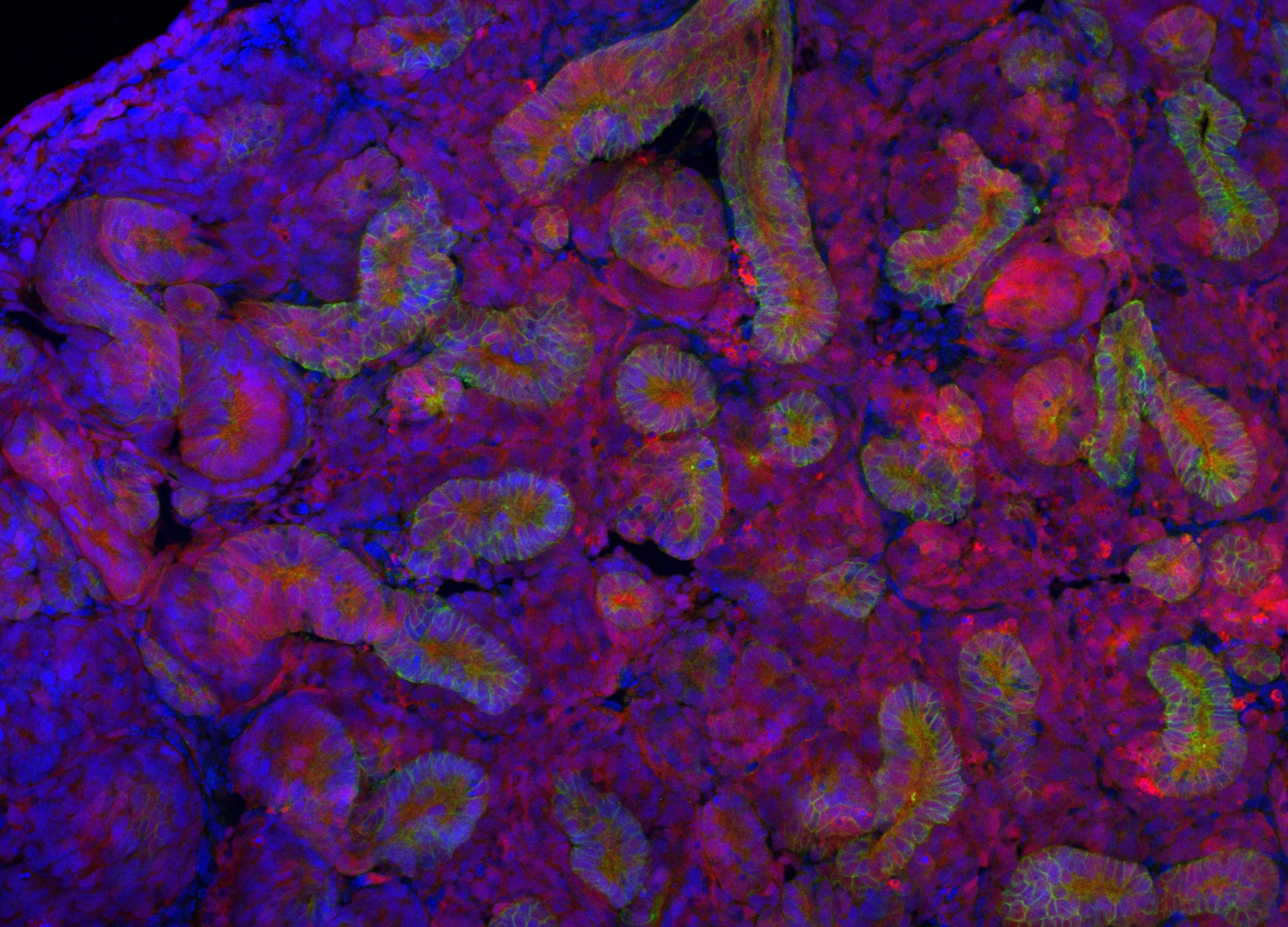
Rat Kidneys Grown in Mice Offer New Insights into Addressing Organ Donor Shortages
In a study published today in Stem Cell Reports, Shunsuke Yuri of the National Center for Geriatrics and Gerontology, Japan and Ayako Isotani of the Nara Institute of Science and Technology, Japan, successfully generated rat-derived kidneys in mice using a technique known as interspecies blastocyst complementation. The researchers created mouse embryos genetically unable to form kidneys, leaving a developmental niche that could be filled by injected embryonic stem cells. When rat embryonic stem cells were introduced into these embryos, they contributed extensively to kidney formation, particularly to nephron progenitor cells and ureteric bud lineages, resulting in the generation of a rat cell-derived kidney.
Receive ISSCR Press Releases
Sign up be a part of ISSCR’s media list. Media Contact: Kym Kilbourne, Director of Media and Strategic Communications
Subscribe to ISSCR News.
Each month, ISSCR delivers scientific, policy, and community to your inbox .