our impact
The word “stem cell” is more than 150 years old. And in a single generation, stem cell science has become the foundation of an entire discipline of medicine and biological understanding.
But scientific progress requires more than discovery. It requires guidance that crosses borders, advocacy that aligns hope with clinical reality, an established body of scientific evidence, stewardship of the next generation, and a place the field can explore and refine its thinking before taking it to the world.
This is the work of the ISSCR.

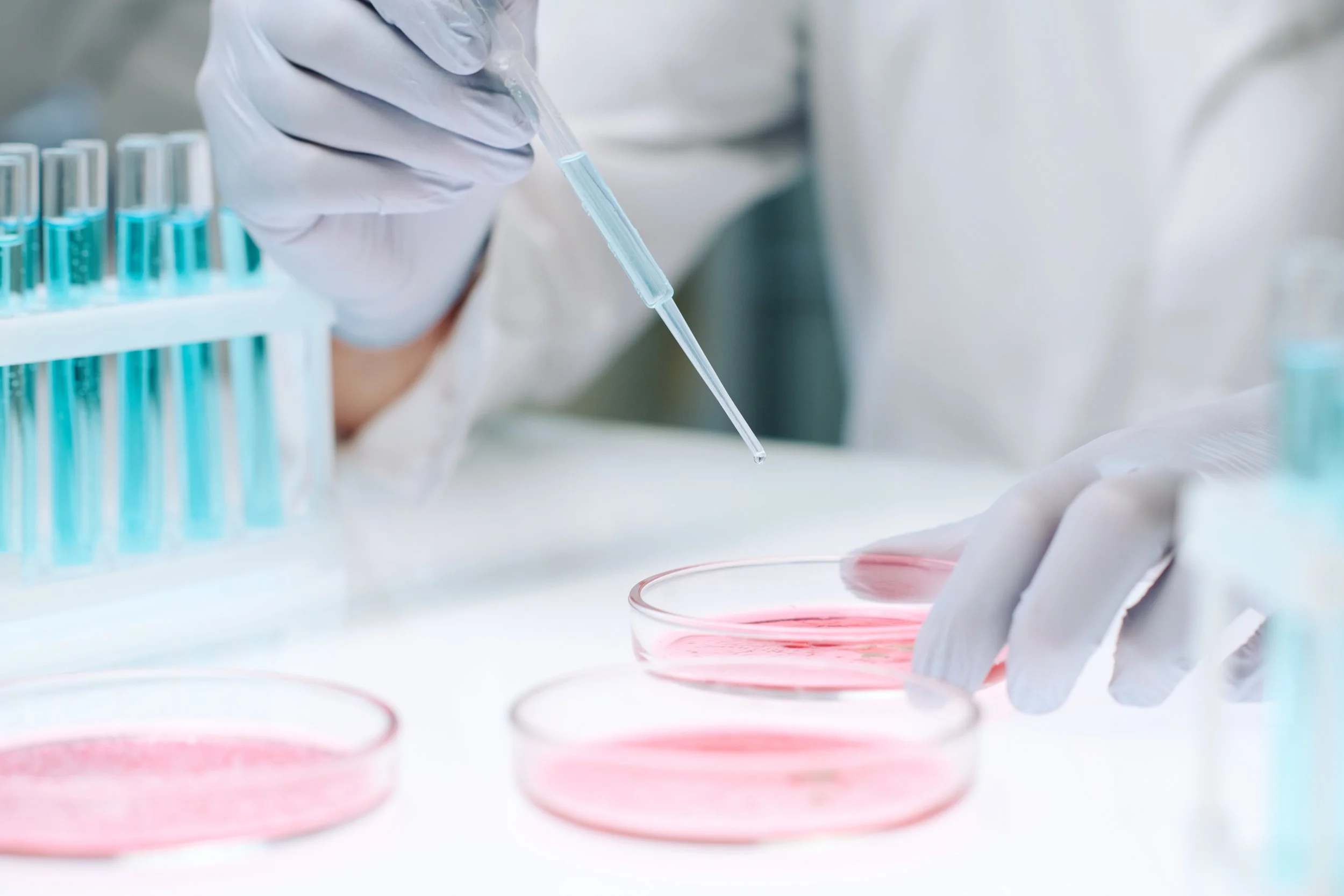

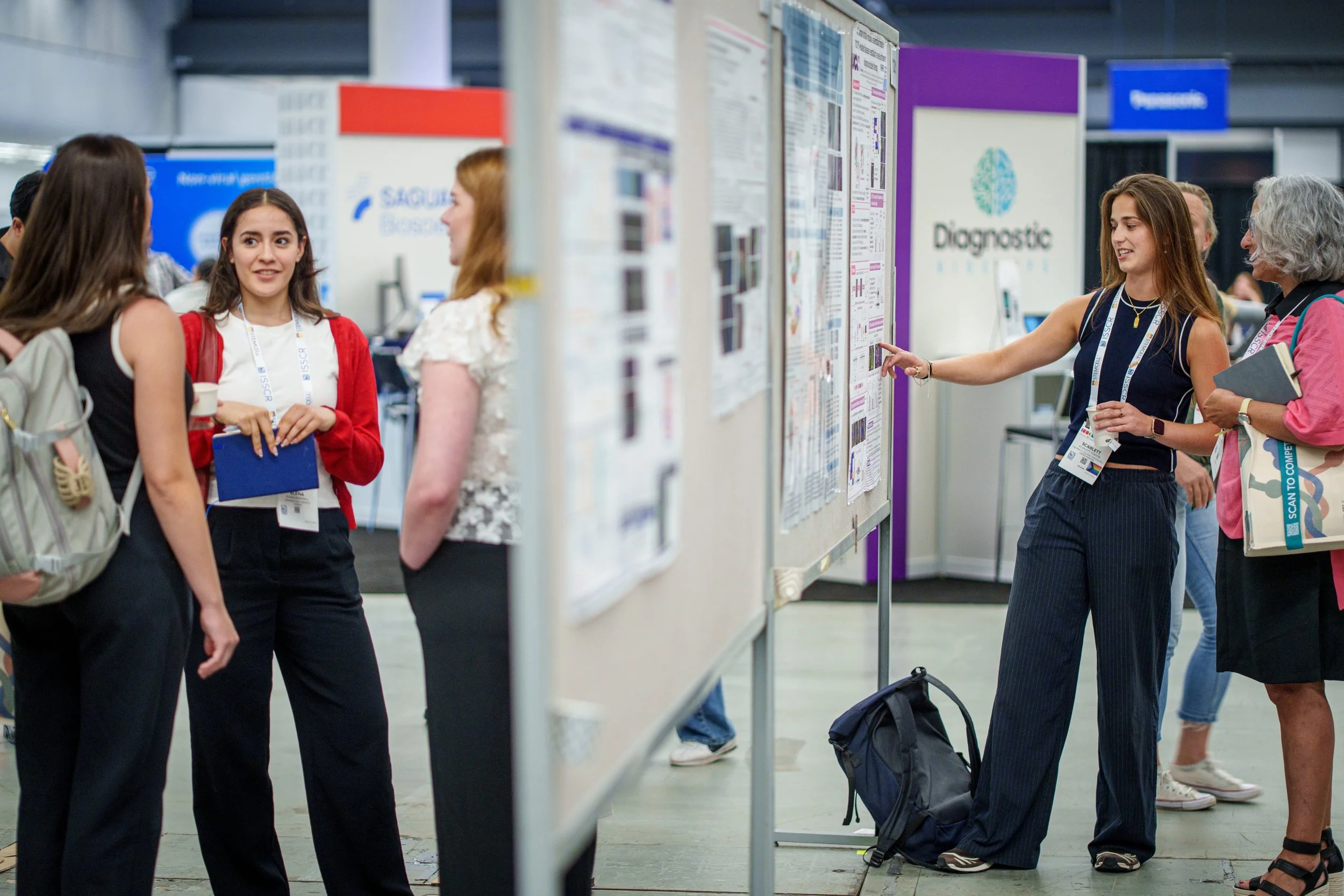
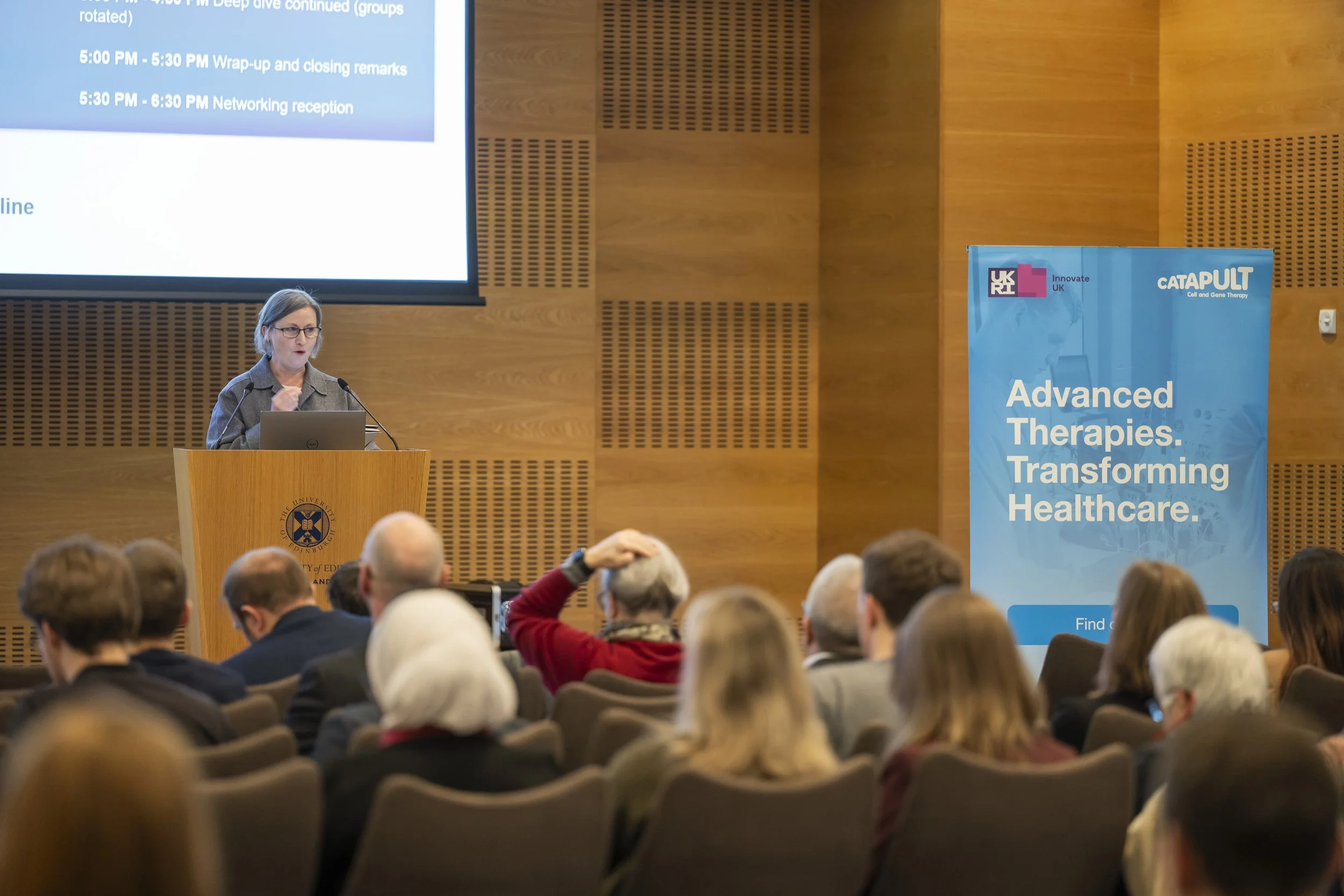

On the Horizon
Emerging therapies, at scale.
Several stem cell-derived therapies have reached patients, and more are in clinical trials. Others depend on this science without carrying its name. For example, many gene therapies act by correcting a gene within a stem cell that is then returned to the patient.
Most conditions that could be addressed this way have no candidate therapy, and in many, the underlying biology remains unresolved. This applies to common diseases and to rare disorders, where small patient populations weaken the case for investment. Therapies that do succeed must still be manufactured consistently, distributed affordably, and reimbursed within regulatory and payment systems designed for small-molecule drugs.
Better models, for all of medicine.
Stem cell-derived systems are becoming sufficiently predictive of human biology to inform decisions. The implications extend well beyond this field: most drug candidates fail late in development, at substantial cost, because the models used to evaluate them do not reflect human physiology. More predictive human models could shorten development timelines and reduce costs across pharmaceutical research, including for conditions unrelated to stem cell science.
Discovery, accelerating.
Imaging that resolves single cells within living tissue. Sequencing that characterizes millions of them simultaneously. Computational models and machine learning that identify structure in datasets beyond human interpretation. Individually, each represents an improved instrument of research. In combination, they are altering both the rate at which the field advances and the questions it is able to pose. Work that once required a decade now takes a year, and questions that could not previously be formulated are becoming tractable.
Our Work
Progress depends on more than the science. New capabilities require frameworks to govern them, evidence before the field will rely on them, clinicians and patients equipped to evaluate them, and scientists to carry the work forward. The ISSCR organizes its work around these requirements, through four programs: Foresight & Guidance, Disease Models & Drug Discovery, Clinical Adoption & Readiness, and Future of the Field.
About ISSCR
Across more than 80 countries, the International Society for Stem Cell Research (ISSCR) is the preeminent global, cross-disciplinary, science-based organization dedicated to advancing stem cell research and its translation to medicine.