
Policy
-
The ISSCR supports all forms of stem cell research, performed under rigorous and transparent oversight, and advocates that embryonic, adult, and reprogrammed stem cell research must move forward in parallel to best understand disease and identify treatment. Learn more.
-
The ISSCR promotes rigorous standards for research integrity, patient welfare, respect for research subjects, and transparency, as outlined in its Guidelines for Stem Cell Research and Clinical Translation. Learn more.
-
The marketing of unproven treatments raises major ethical and integrity concerns and may jeopardize the safety of patients. Patient welfare and transparency in all communications are core principles of ISSCR advocacy. Learn more.
-
Established in 2019, this fellowship program honors ISSCR member Lawrence Goldstein, PhD, continuing his legacy by training ISSCR members to become policy advocates. Learn more.
ISSCR Call to Action regarding new proposed OMB rule that will reshape scientific research and international collaborations
“The people who understand the science have to explain it to the public and to policy makers or we will have policies that undermine public health and the development of new therapies.”

Support for Stem Cell Research and Funding
Related Advocacy and News

Position
The ISSCR supports all forms of stem cell research, performed under rigorous and transparent oversight, and advocates that embryonic, adult, and reprogrammed stem cell research must move forward in parallel to best understand disease and identify treatment.
Human embryonic stem cells have the potential to make any cell type in the body in unlimited quantities. Research in this area is producing innovative new approaches to treat diseases that represent major public health problems, and cells derived from human embryonic stem cells are now being tested in clinical trials as treatments for diabetes, spinal cord injury, heart failure, macular degeneration and Stargardt’s macular dystrophy.
Fetal tissue research has been critical for scientific and medical advances that have saved the lives of millions of people, including the development of vaccines against polio, rubella, measles, chickenpox, adenovirus, rabies, as well as treatments for debilitating diseases such as rheumatoid arthritis, cystic fibrosis, and hemophilia.
The ISSCR supports rigorous funding to advance treatments for disease, protect investments in science, and ensure that the economy continues to benefit from the significant contributions that science and biomedical research provide.
Recent advances in stem cell research, gene therapy, genomics, and cancer biology have created unprecedented opportunities to create new treatments for human disease. However, decreased funding investments and budget cuts could slow the development of new cures and cause long-term damage to the international research infrastructure and to public health efforts around the world.
Promotion of Scientific Integrity and Ethical Research
Related Advocacy and News


Position
The ISSCR promotes rigorous standards for research integrity, patient welfare, respect for research subjects, transparency, and social justice, as outlined in its Guidelines for Stem Cell Research and Clinical Translation. At their core, the guidelines preserve the imperative for a specialized oversight process for research involving human embryos, in recognition of the unique sensitivities surrounding such research.
Responding to advances in science, the guidelines encompass a broader and more expansive scope of research and clinical endeavor than before, imposing rigor on all stages of the research, addressing the cost of regenerative medicine products, and highlighting the need for accurate and effective public communication.

Preventing the Marketing of Unproven Stem Cell Therapies
Related Advocacy and News

Position
The marketing of unproven treatments raises major ethical and integrity concerns and may jeopardize the safety of patients. Patient welfare and transparency in all communications are core principles of the ISSCR Guidelines for Stem Cell Research and Clinical Translation, which help assure the public of the integrity of stem cell science and its translation to medicine. The ISSCR guidelines call for processing and manufacture of any cell product as well as the conduct of clinical trials to be performed under expert, independent review and oversight.
Lawrence Goldstein Science Policy Fellowship Program
2025-2027 Goldstein Policy Fellows

Mubeen Goolam, PhD
University of Cape Town, South Africa
-
Mubeen Goolam is the Principal Investigator of the Stem Cell Modelling of Development and Disease Group in the Department of Human Biology and the Neuroscience Institute at the University of Cape Town. Mubeen received his BSc in Genetics and Microbiology and his Honours and MSc degrees in Medical Cell Biology from the University of Cape Town. In 2012 he was awarded the Mary Gray Fellowship to St John’s College, at the University of Cambridge and undertook a PhD in Physiology, Development and Neuroscience in the Zernicka-Goetz lab. He then moved to the University of Oxford as a Junior Research Fellow to Wolfson College and took up a post-doctoral position in the Sir William Dunn School of Pathology in the Robertson Lab. He returned to the University of Cape Town in 2020 to establish his own independent research group. Research in the Goolam lab focuses on using stem cells to model development and disease in culture. They are developing the first African-specific models of the brain and neural tube to investigate early human brain and spinal cord development as well as create a model to study neurodevelopmental disorders in a dish.

Lizhong Liu, PhD
Westlake University, China
-
Lizhong (Li) Liu is a passionate stem cell and developmental biologist dedicated to unraveling the intricate mechanisms of human early embryonic development, with the overarching goal of advancing regenerative medicine. Dr. Liu earned his Ph.D. from the University of Hong Kong, where he applied synthetic biology approaches to study gene expression regulation and the emergence of complex biological patterns. Following his doctoral studies, Dr. Liu conducted postdoctoral research in the Aryeh Warmflash Lab at Rice University (2017–2022), where he investigated the role of intercellular signaling in orchestrating the spatiotemporal dynamics of cell differentiation during early human development. From 2022 to 2024, as an Assistant Instructor in the Jun Wu Lab at UT Southwestern Medical Center, his research focused on the processes underlying germ layer formation and morphogenesis during peri-gastrulation in humans.
In January 2025, Dr. Liu joined Westlake University as a tenure-track Assistant Professor, where his work centers on early embryonic development and stem-cell-derived embryo modeling. His research continues to push the boundaries of our understanding of human embryogenesis.

Kate MacDuffie, MA., PhD
Seattle Children’s Research Institute, USA
-
Kate MacDuffie, PhD MA is Assistant Professor and Associate Director of Research at the Treuman Katz Center for Pediatric Bioethics and Palliative Care at Seattle Children’s Research Institute and the Department of Pediatrics at the University of Washington. Trained in clinical neuroscience, psychology and bioethics, Dr. MacDuffie's research is focused on understanding the ethical and social impacts of advances in neuroscience on children and adults affected by psychiatric, neurological, and neurodevelopmental disorders.
About the Lawrence Goldstein Science Policy Fellowship Program
Established in 2019, the ISSCR fellowship program honors ISSCR member Lawrence Goldstein, PhD, for his longstanding commitment to policy and public service. Dr. Goldstein's advocacy before local, state, and national policy makers continues to make a significant impact on the field. The ISSCR’s policy fellowship program continues that legacy by training ISSCR members to become policy advocates.
View the previous class of Goldstein Science Policy Fellows here.
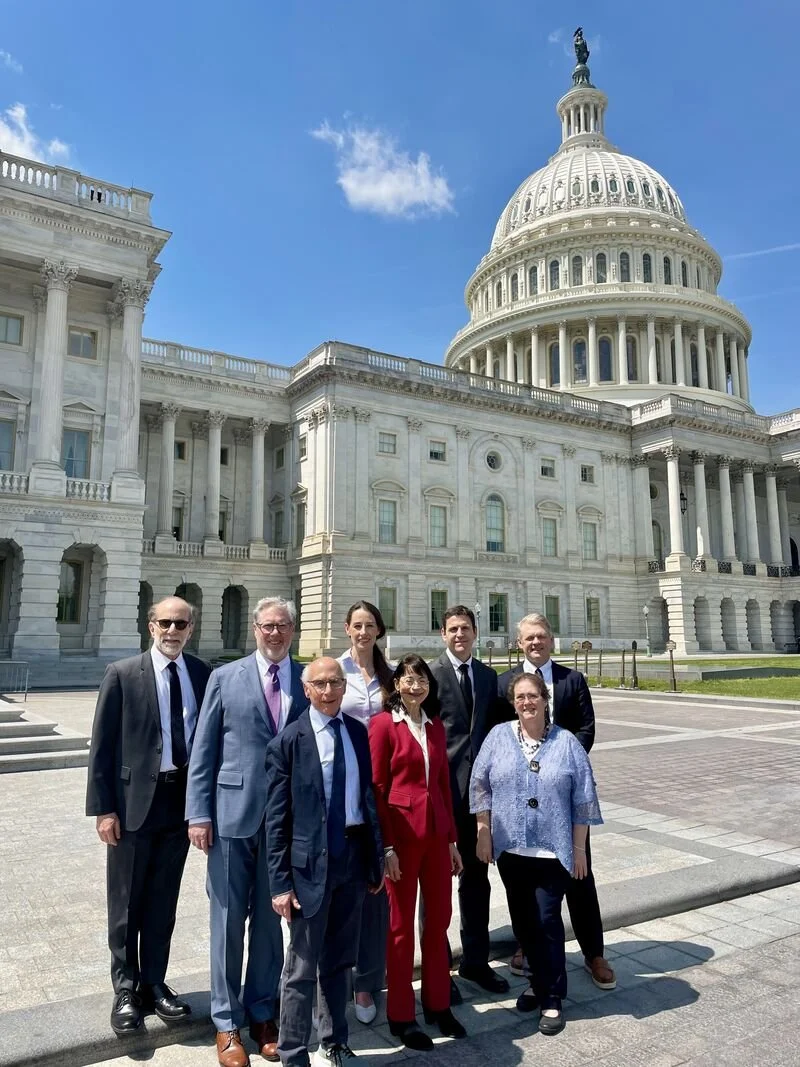
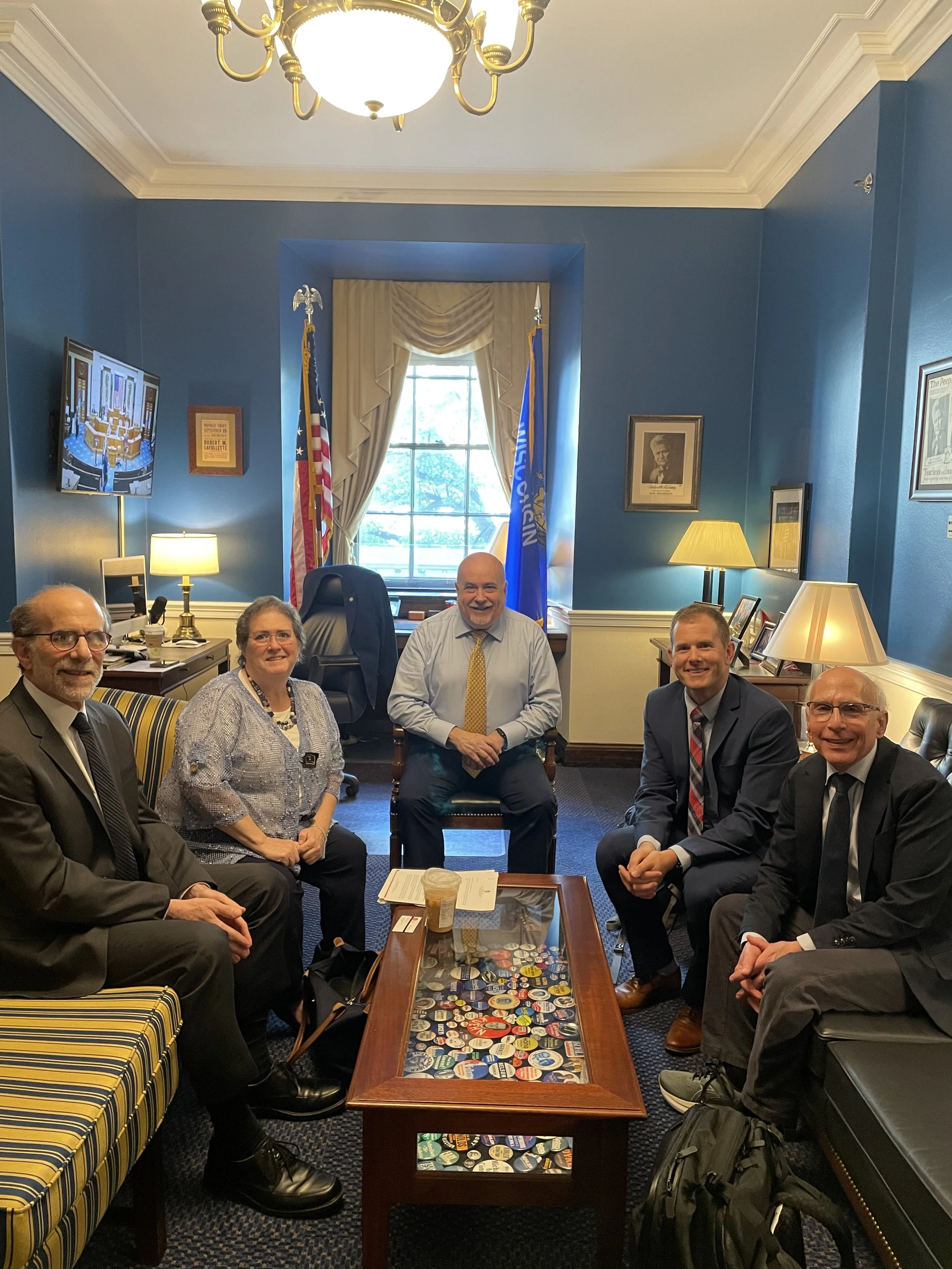
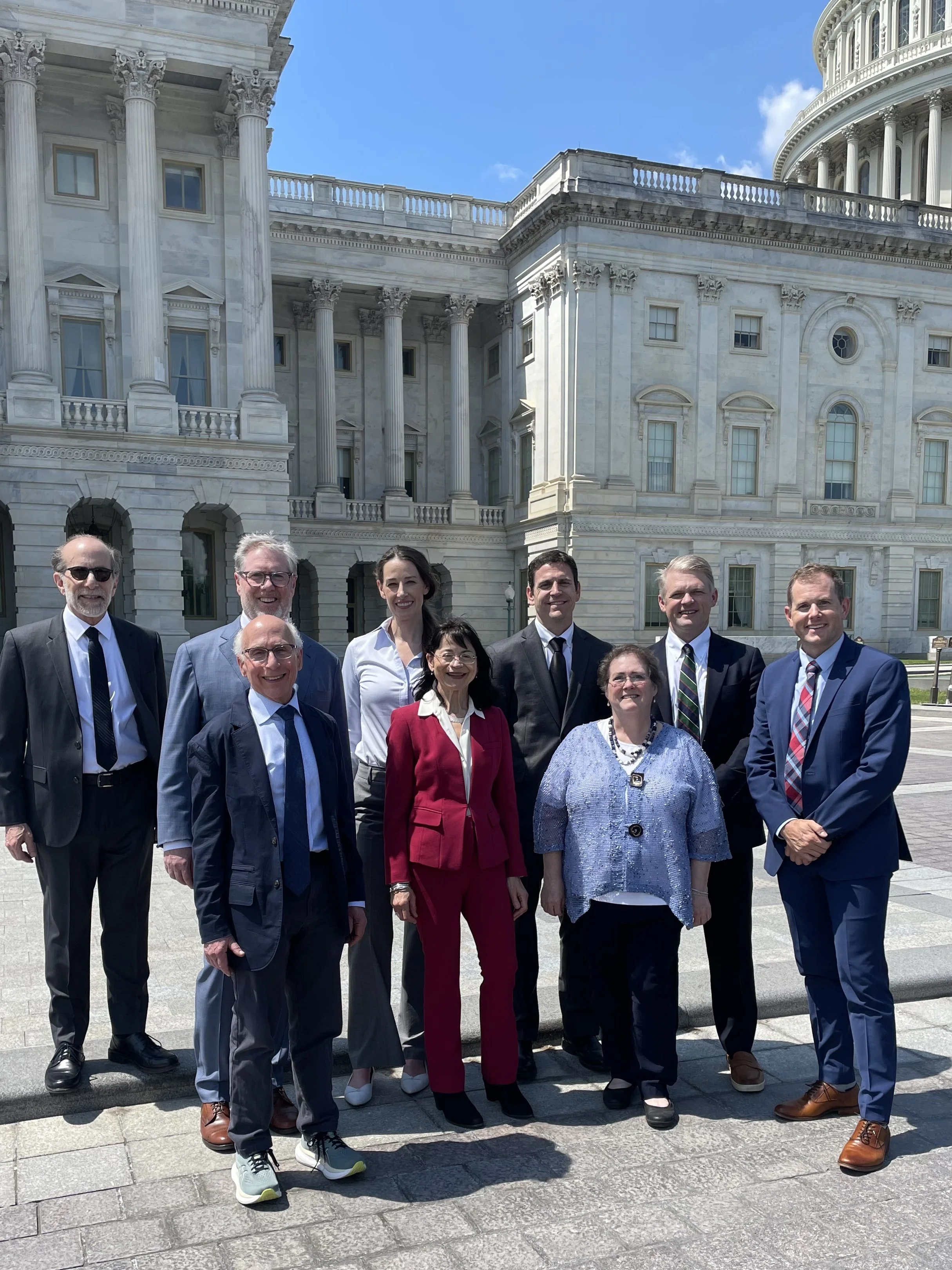
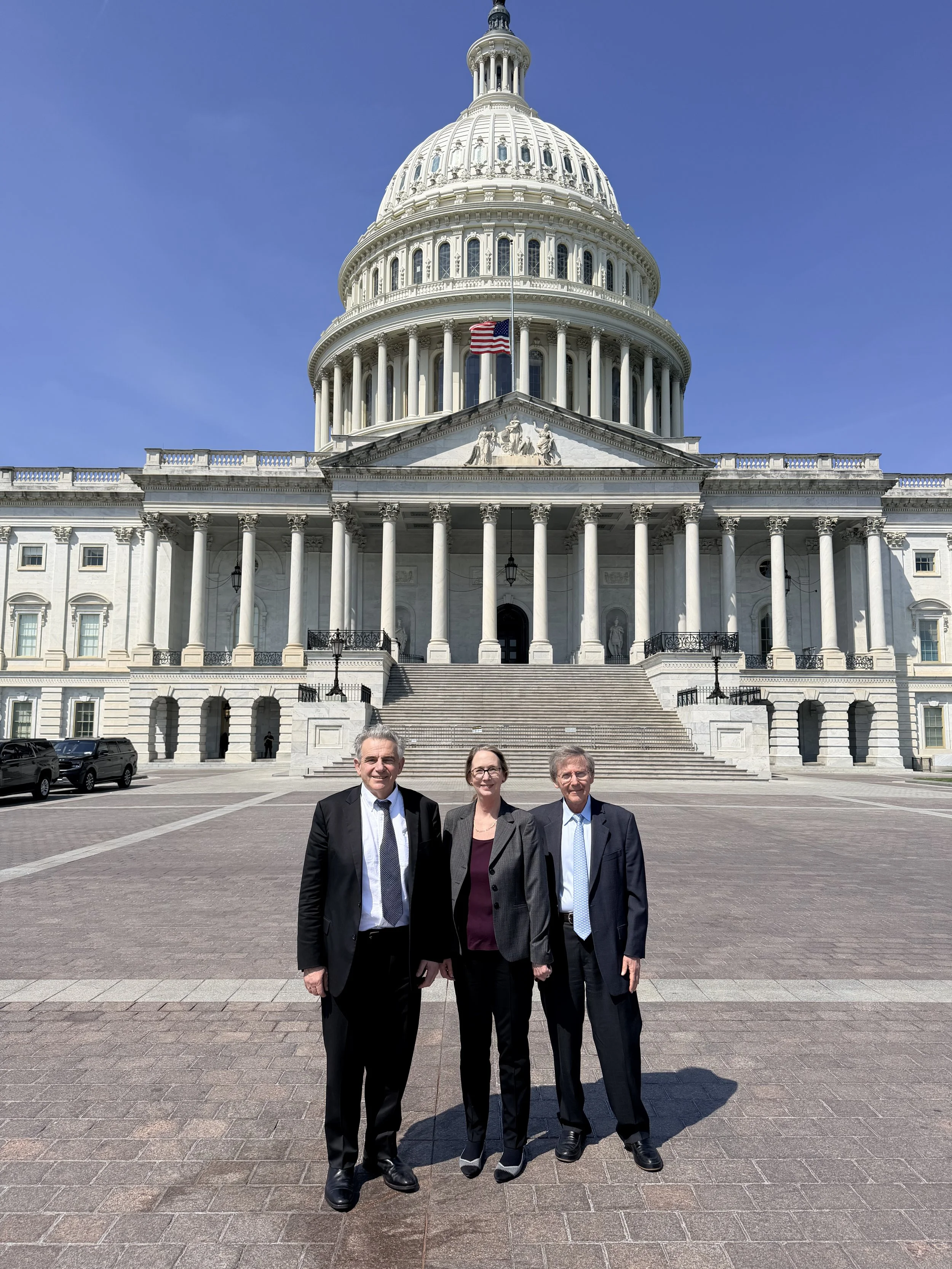
2026 Congressional Advocacy Day
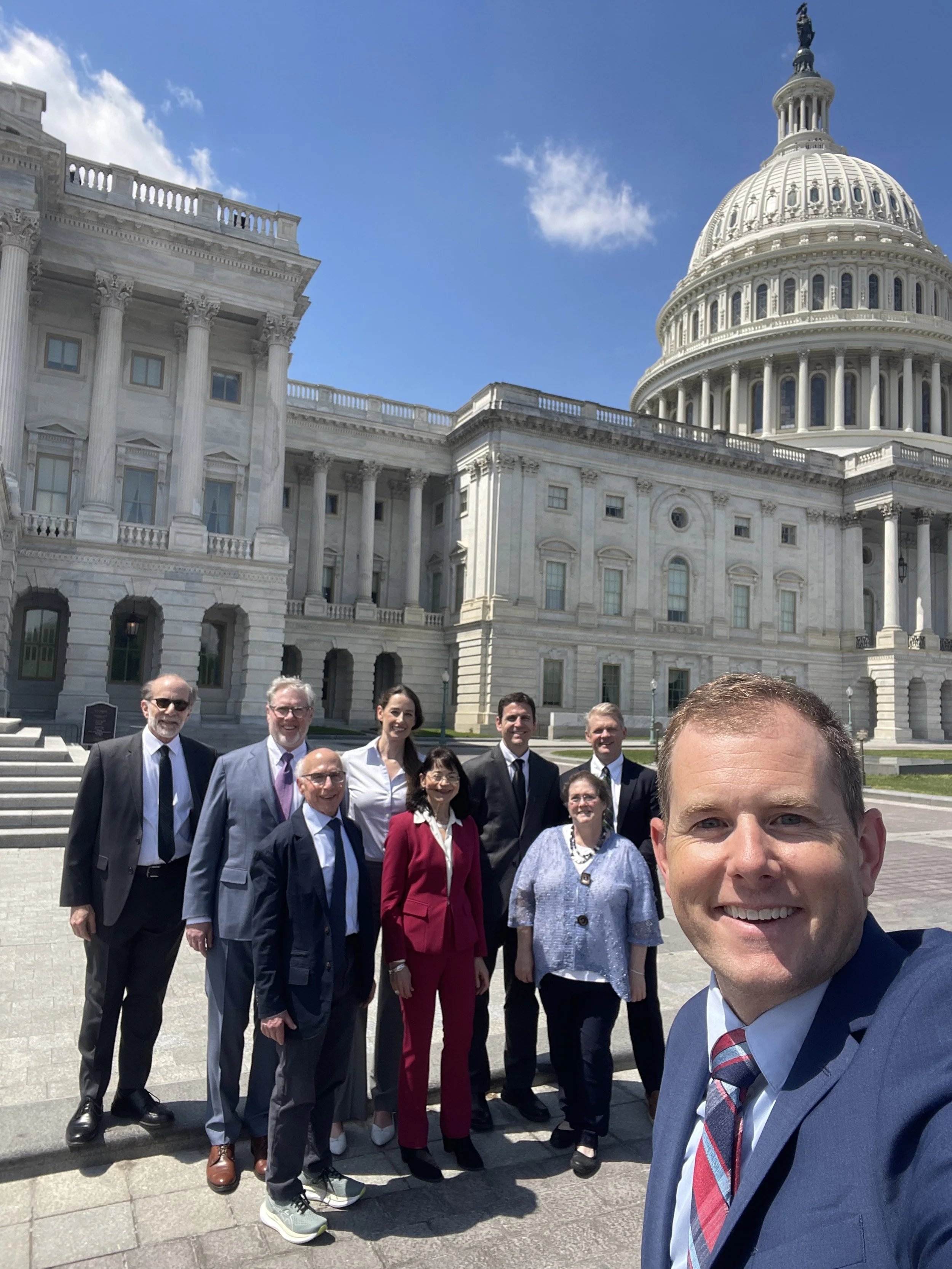
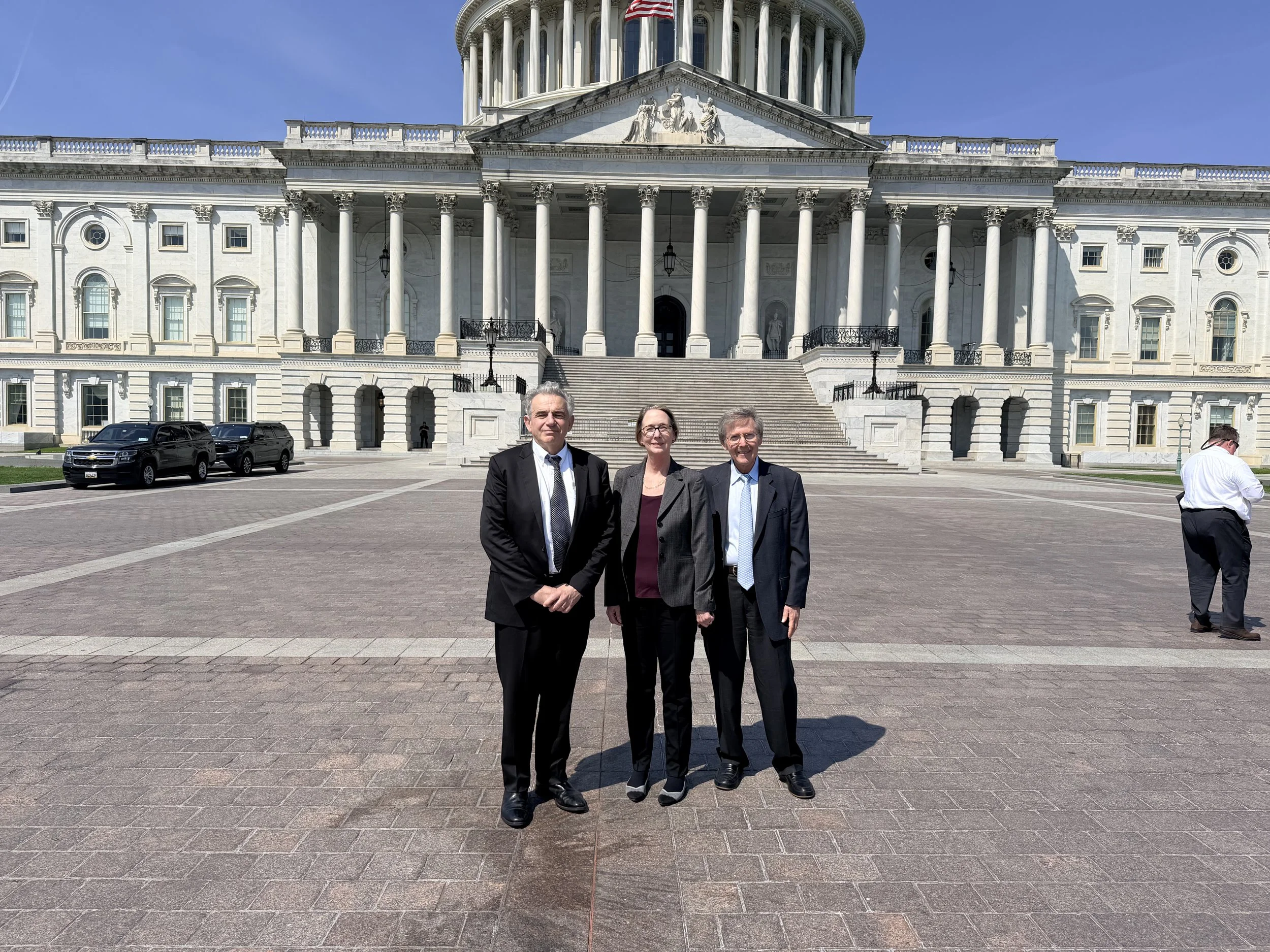
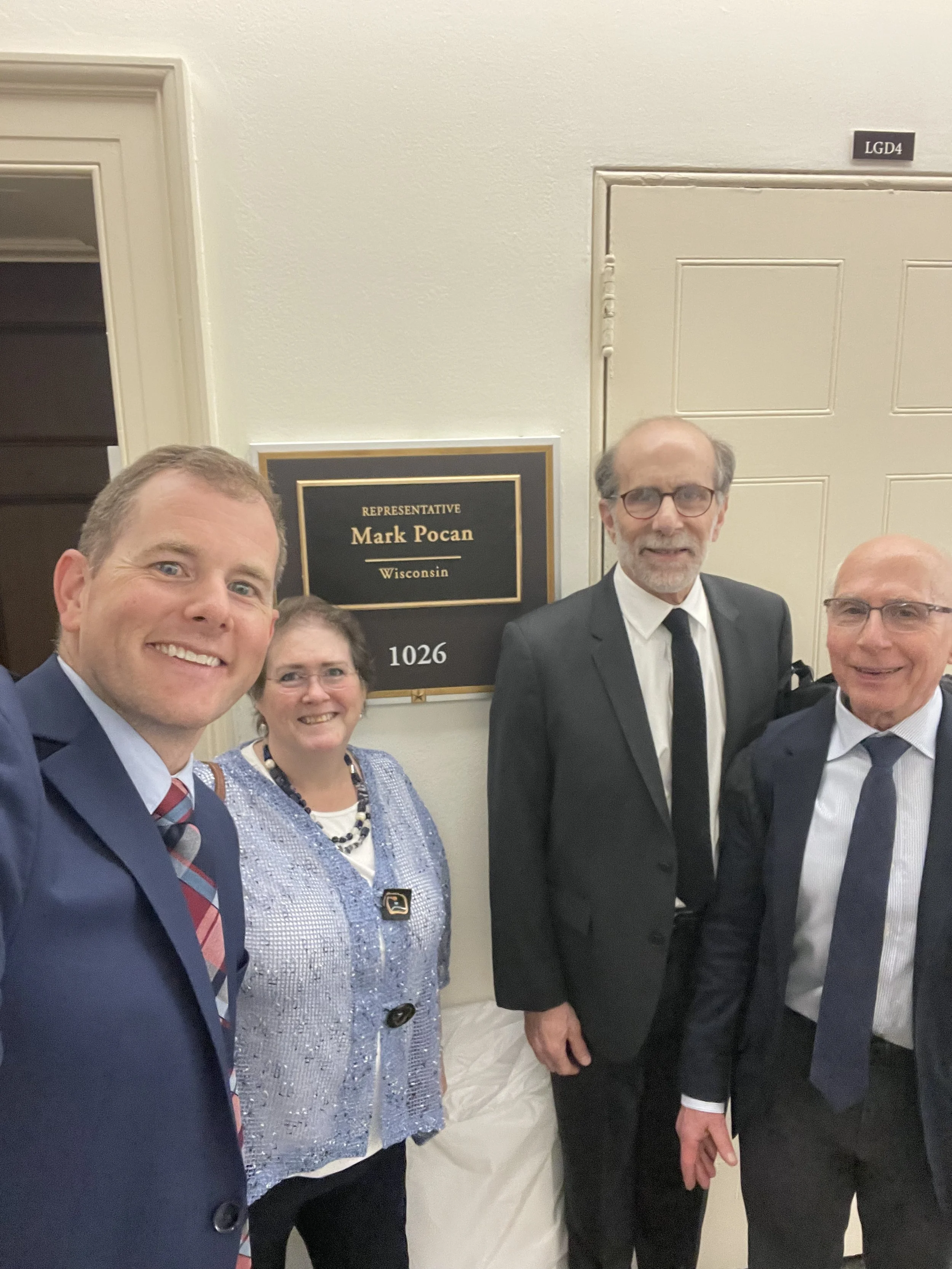
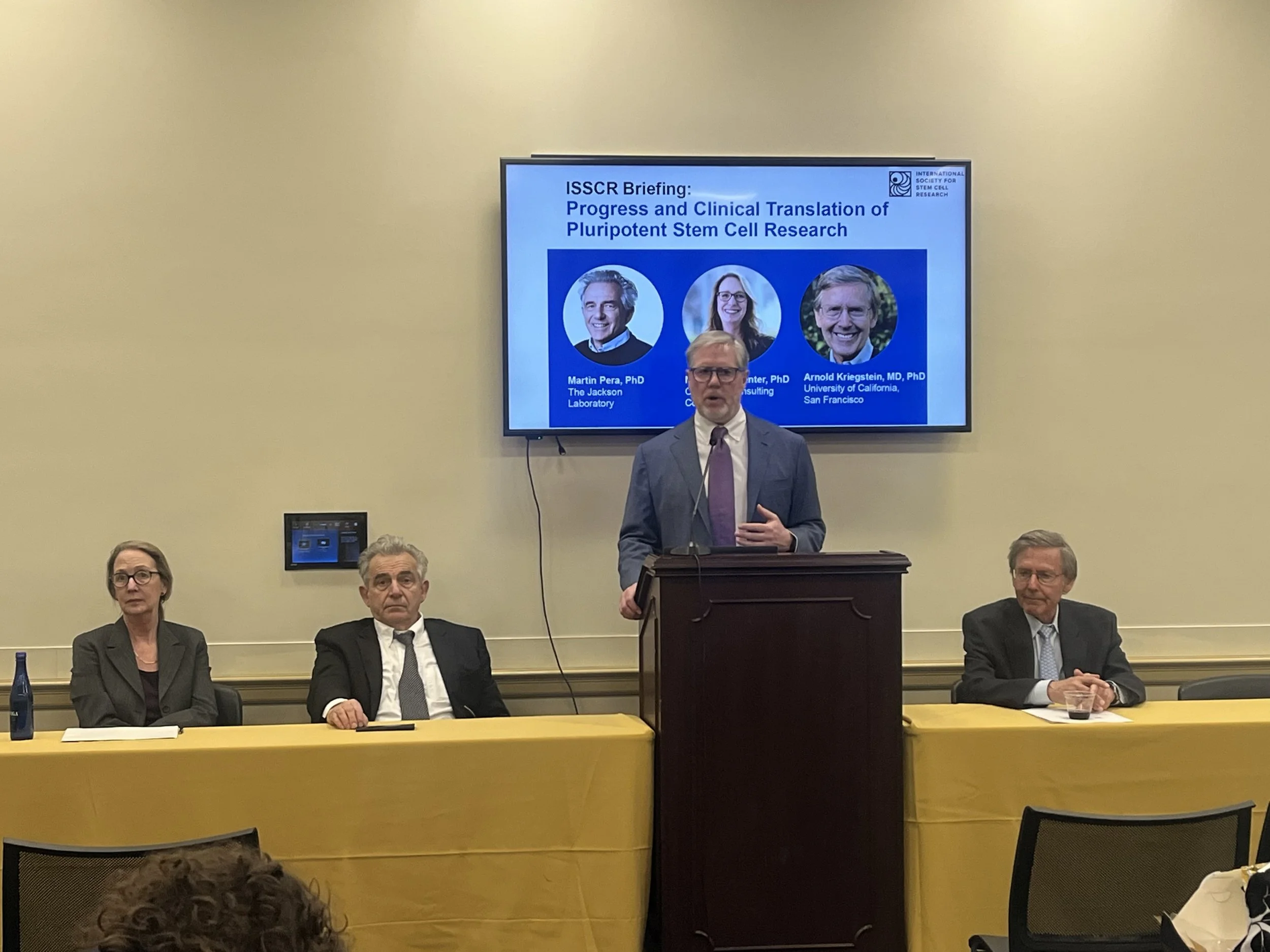
ISSCR hosted its inaugural briefing in Washington, D.C. in connection with spring advocacy day, informing policymakers about the power of stem cell science, reinforcing the vital importance of investment in research and our scientific workforce, and highlighting clinical progress of pluripotent stem cell therapies for diseases including Parkinson's, type-1 diabetes, epilepsy, macular degeneration, and cancer.
The White House Office of Management and Budget (OMB) has proposed a new rule titled “Regulation for Federal Financial Assistance” that will significantly reshape how the U.S. government funds and manages scientific research, including international collaborations, through the National Institutes of Health (NIH) and other agencies. All ISSCR members, regardless of whether you are U.S.-based or not, are eligible to provide comment on the proposed policy.
Though the rule is extensive and applies to all federal grantmaking, there are several areas where input from our community is critical.