
Global Workforce Development in Stem Cell Research and Regenerative Medicine

The ISSCR and the Canada’s Stem Cell Network (SCN) are partnering on a global initiative to provide perspectives on workforce development in stem cells and regenerative medicine. As part of this initiative, the ISSCR and SCN have assembled an international working group of early career scientists and senior trainees in stem cell research and regenerative medicine who will convene over the next year. Through this joint effort, the ISSCR and SCN aim to build a global dialogue on how the field can better prepare, support, and sustain the next generation of stem cell scientists across diverse career paths and regions.
The Working Group will highlight early career and trainee perspectives on their career paths and prospects across the globe, analyze current challenges and opportunities for trainee career development, and pinpoint key skills gaps and areas for future trainee development. Efforts will culminate in a report summarizing the group’s findings and providing action-oriented recommendations for the field.
Project Timeline and Opportunities to Engage with the Working Group
Spring 2026: The working group will release a public survey to gather a broad range of perspectives on global workforce development issues. Check back on this page for details at a later date.
July 2026: ISSCR Annual Meeting 8-11 July: The working group’s efforts will be included in the program for ISSCR annual meeting 2026.
November 2026: SCN Till & McCulloch Meetings 9-11 November: The working group's effort will be included in the program for SCN’s TMM 2026 in Vancouver.
Fall and Winter 2026: The working group will finalize and publicly release a final report with action-oriented recommendations for the field.
Working Group Members
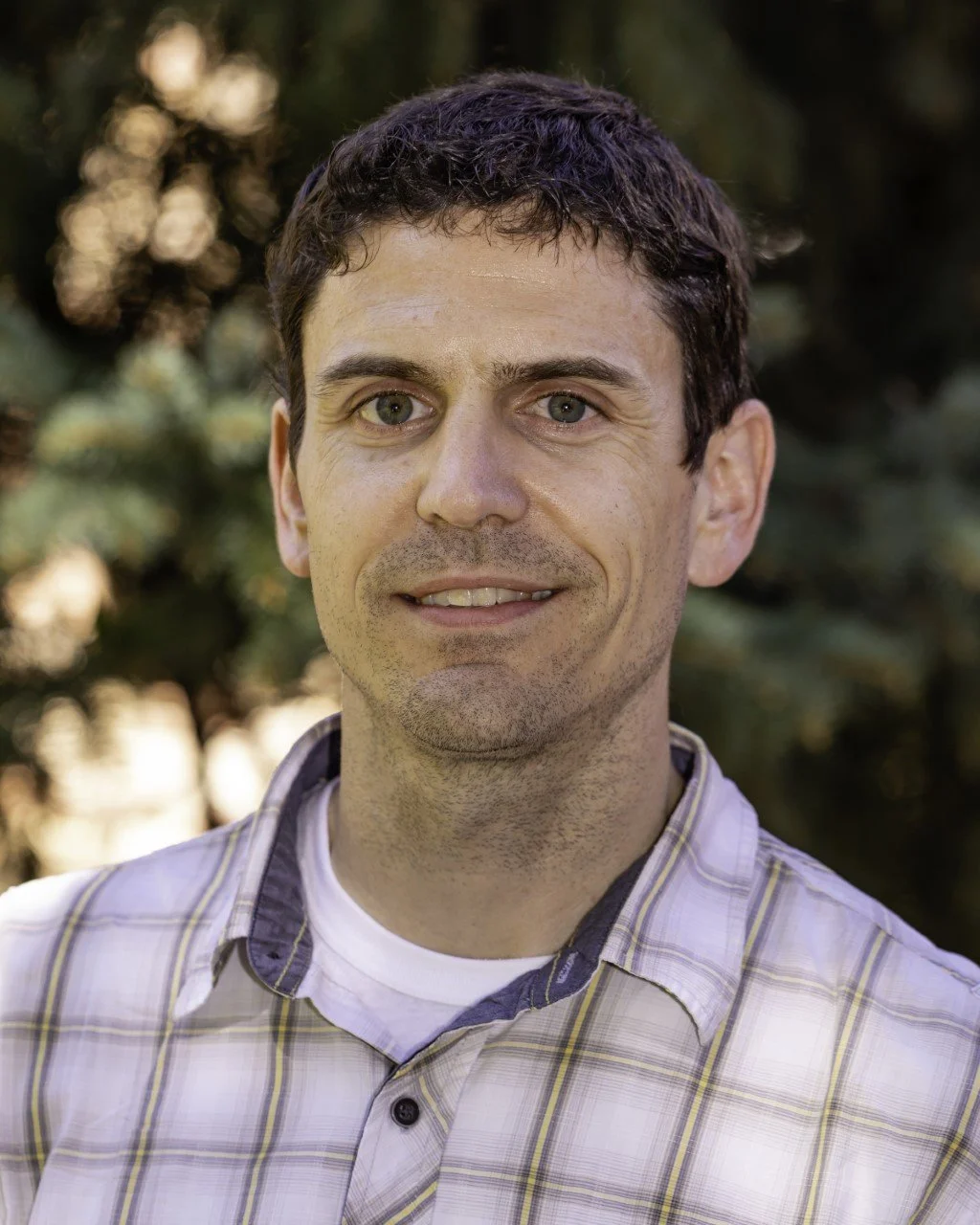
Justin Brumbaugh (co-chair)
University of Colorado Boulder, USA-
Dr. Justin Brumbaugh is an Assistant Professor in Molecular, Cellular, and Developmental Biology (MCDB) and a Boettcher Investigator at the University of Colorado Boulder. His research focuses on the molecular mechanisms underlying cell fate transitions, including differentiation and reprogramming, with particular emphasis on epigenetic regulation and RNA processing. Dr. Brumbaugh completed postdoctoral training with Konrad Hochedlinger at Harvard Medical School and Massachusetts General Hospital, where he studied post-transcriptional regulation during cellular reprogramming and differentiation using both in vivo and in vitro approaches. He received his PhD in Biochemistry from the University of Wisconsin–Madison, working jointly with Joshua Coon and James Thomson. Prior to graduate training, he was a Fulbright Scholar at the European Molecular Biology Laboratory (EMBL) in Heidelberg, Germany, in the laboratory of Carsten Schultz.
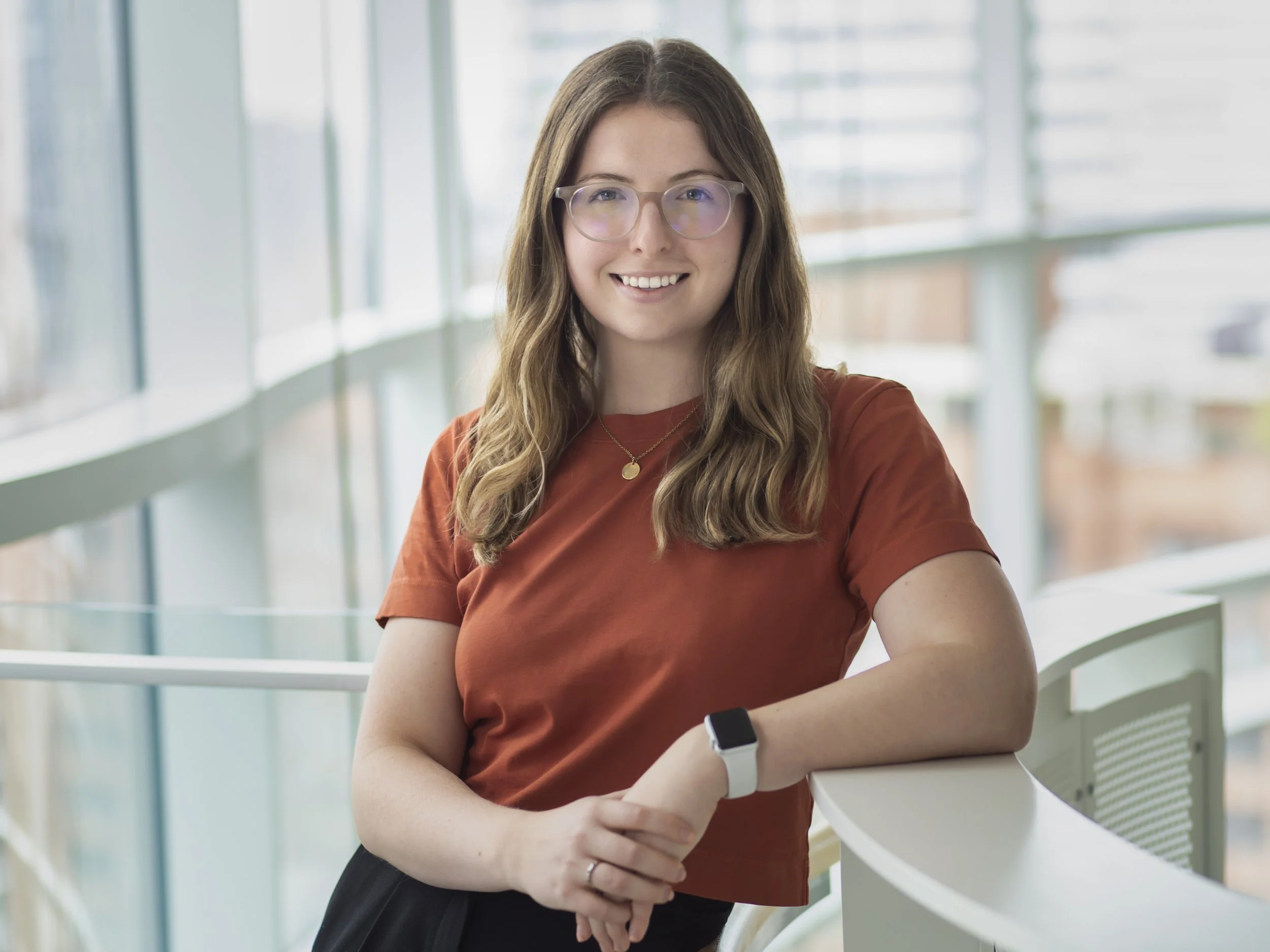
Danielle Spice (co-chair)
Apiary Therapeutics, Canada-
Dr. Danielle Spice is a Lead Scientist at Toronto-based biotech startup, Apiary Therapeutics, driving the company’s genetic engineering and stem cell pipelines. Dr. Spice earned her PhD from Western University, where she studied cell fate choices in early neural differentiation before joining SickKids Hospital for a short post-doc studying the role of mitochondrial disease in kidney development. Dr. Spice was awarded several scholarships and awards during her graduate studies and has written several peer reviewed publications. In her spare time, Dr. Spice runs her educational social media platform @sciencewithspice, coaches rugby, stays active, reads and spends time with her two Golden Retrievers.
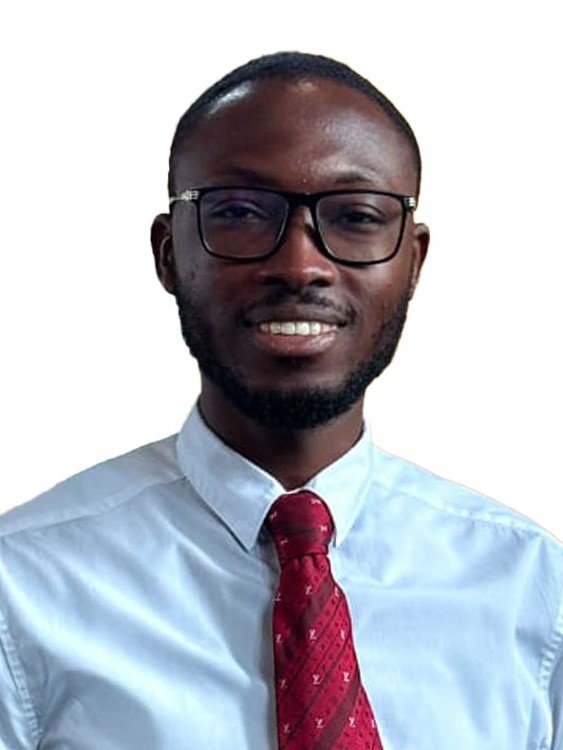
Kwesi Abaka-Quansah
University of Nottingham, UK
-
Kwesi Abaka-Quansah is an early-career scientist with a particular interest in how stem cell science can be translated into real solutions for human diseases. He holds an MSc in Stem Cell Technology and Regenerative Medicine from the University of Nottingham, where he worked on developing human stem cell–derived organoid models to better understand lung development and disease. His work is driven by the belief that carefully designed laboratory models can bridge gaps between discovery and patient benefit. Kwesi is also committed to scientific engagement and equitable health impact and currently serves as a 2026 ISSCR Ambassador.
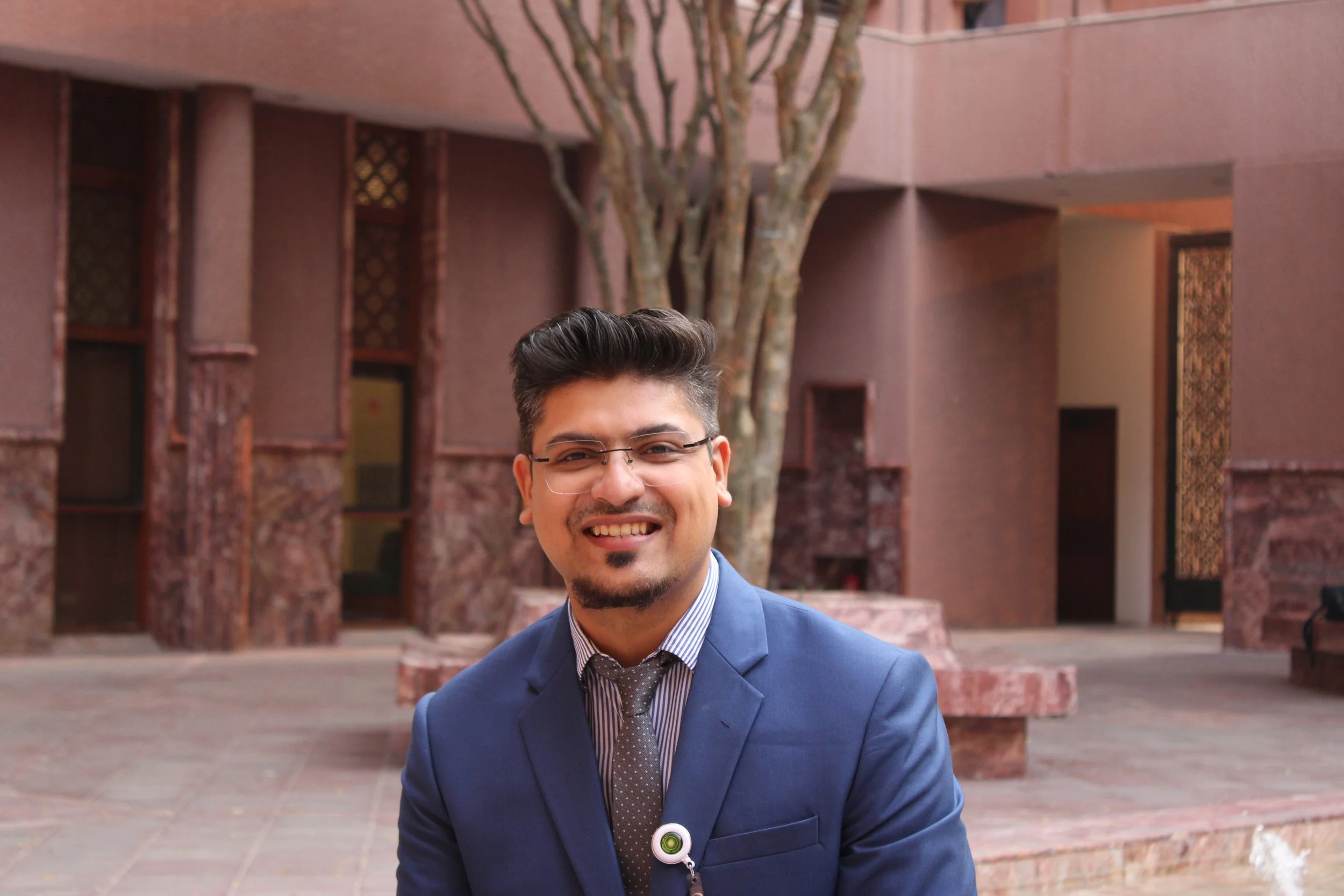
Sujjawal Ahmad
Aga Khan University, Pakistan-
Sujjawal Ahmad is a Research Associate at the Centre for Regenerative Medicine and Stem Cell Research at the Aga Khan University (AKU), Pakistan. He received his Master’s Degree in Health Policy and Management from AKU with distinction where his research involved an analysis of policies related to stem cells in Pakistan. He is passionate about ethical and policy aspects of emerging science and biomedical research in low- and middle-income country contexts. Previously, he has also obtained an MSc degree in Molecular Biology and Biochemistry.
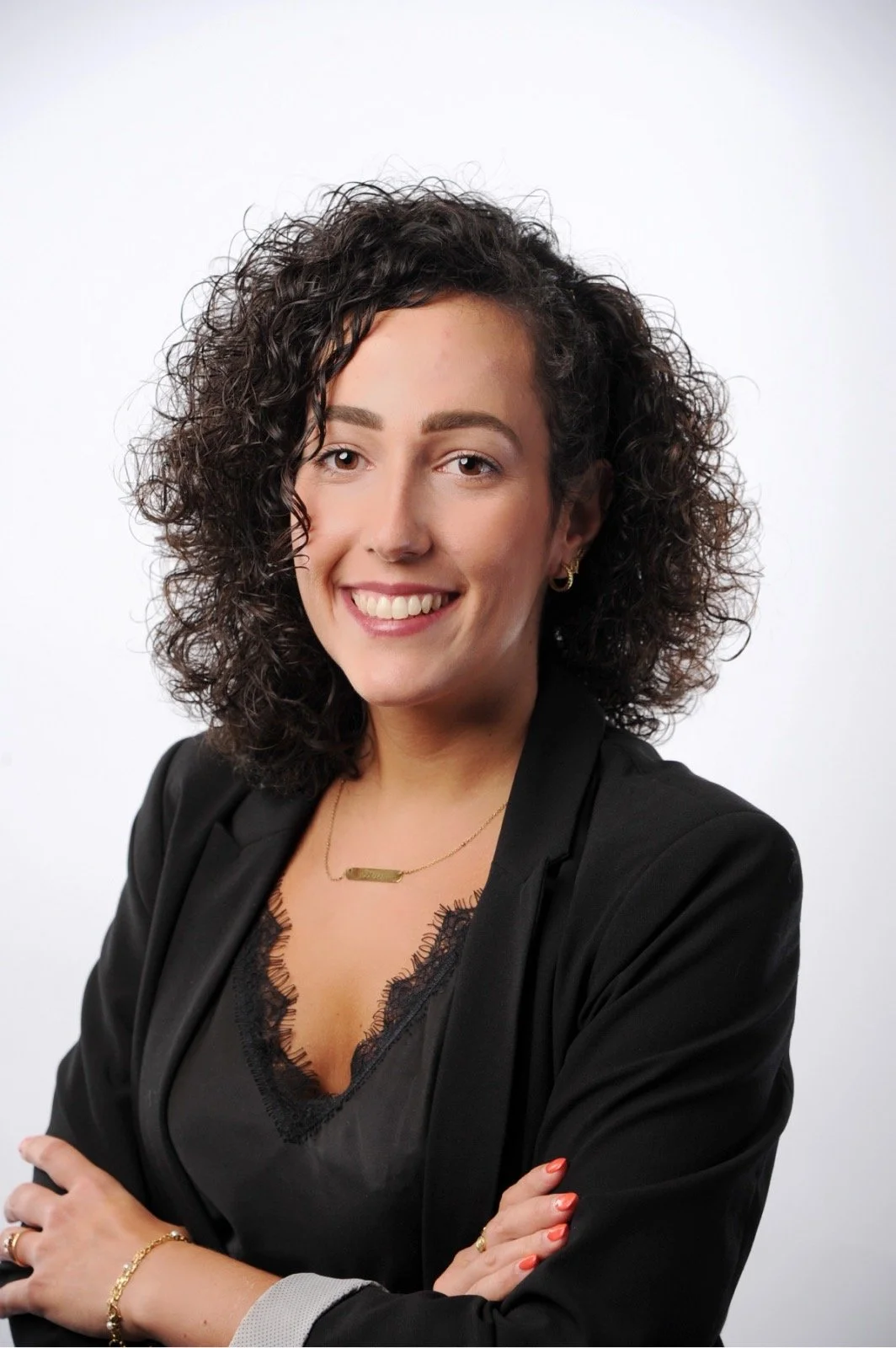
Nerea Cuesta-Gomez
University of Alberta, Canada-
Dr. Nerea Cuesta-Gomez is a stem cell researcher and postdoctoral fellow whose training spans multiple international academic systems. She completed her undergraduate studies in Spain, her PhD at the University of Glasgow (UK), and is currently based at the Alberta Diabetes Institute (University of Alberta, Canada), providing her with direct experience of the opportunities and barriers associated with global research mobility. She is actively engaged in workforce development initiatives focused on trainee support, mentoring structures, and equitable career progression across training stages. Her contributions are informed by lived experience navigating career transitions, international relocation, and work–life integration, including family building during training. Within the ISSCR–SCN Global Workforce Development working group, Dr. Cuesta-Gomez aims to help translate trainee perspectives into actionable, inclusive policies that strengthen and sustain the global stem cell research workforce.
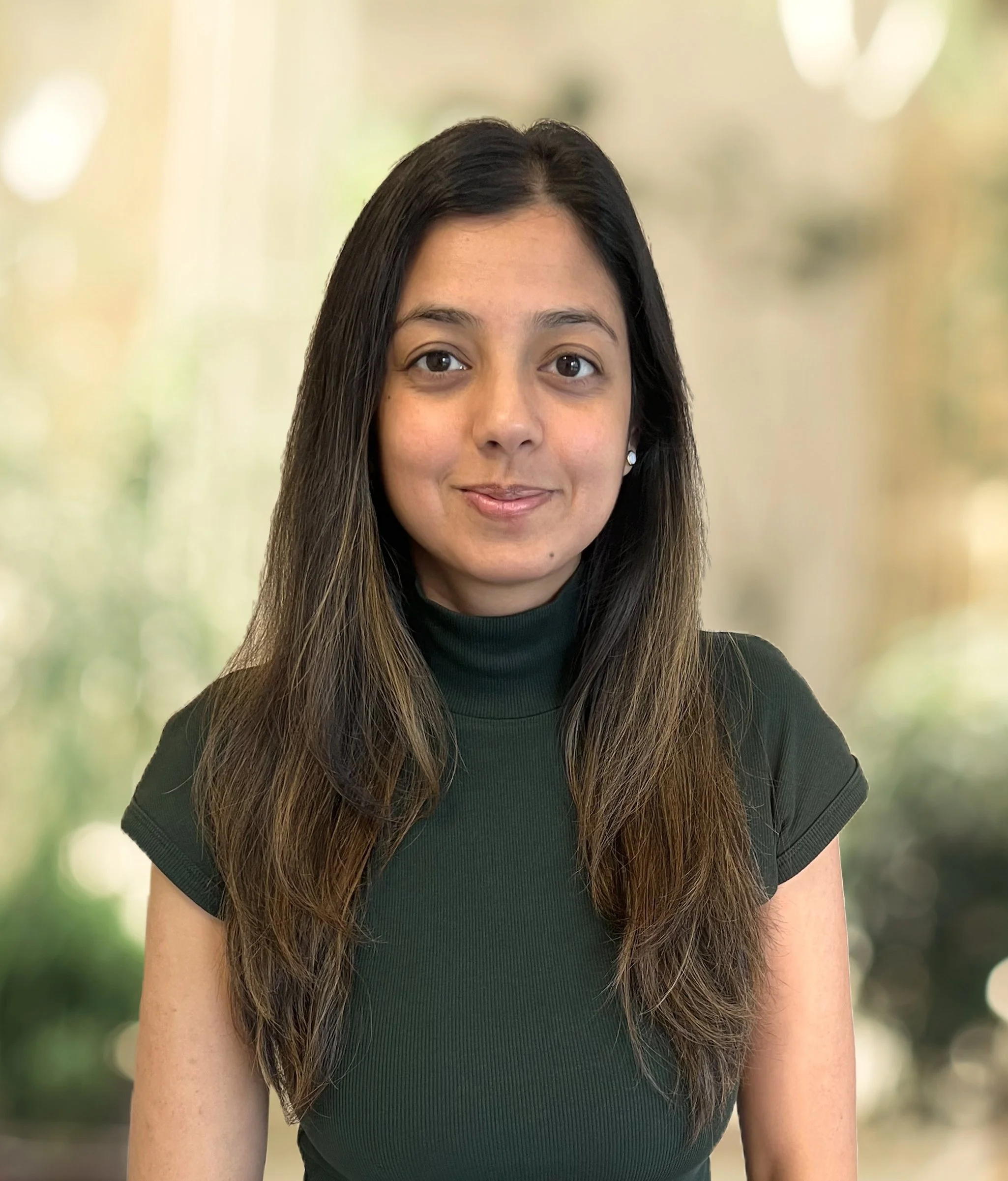
Sharmin Haideri
Abu Dhabi Stem Cells Center, UAE-
Dr. Sharmin Haideri is a Research Scientist at the Abu Dhabi Stem Cells Center in the UAE, where she is currently working on translating stem cell-derived therapies for clinical application. She holds a PhD in Regenerative Medicine from the University of Edinburgh’s Scottish Centre for Regenerative Medicine, with subsequent Post Doctoral training at the McEwen Stem Cell Institute (University Health Network, Canada). Having worked in the UK, Canada, and the UAE, she brings a global perspective on how different regions build their research ecosystems. As an ISSCR 2026 Meeting Ambassador and TEDx speaker, she is actively involved in making science accessible and fostering the next gen of stem cell scientists.
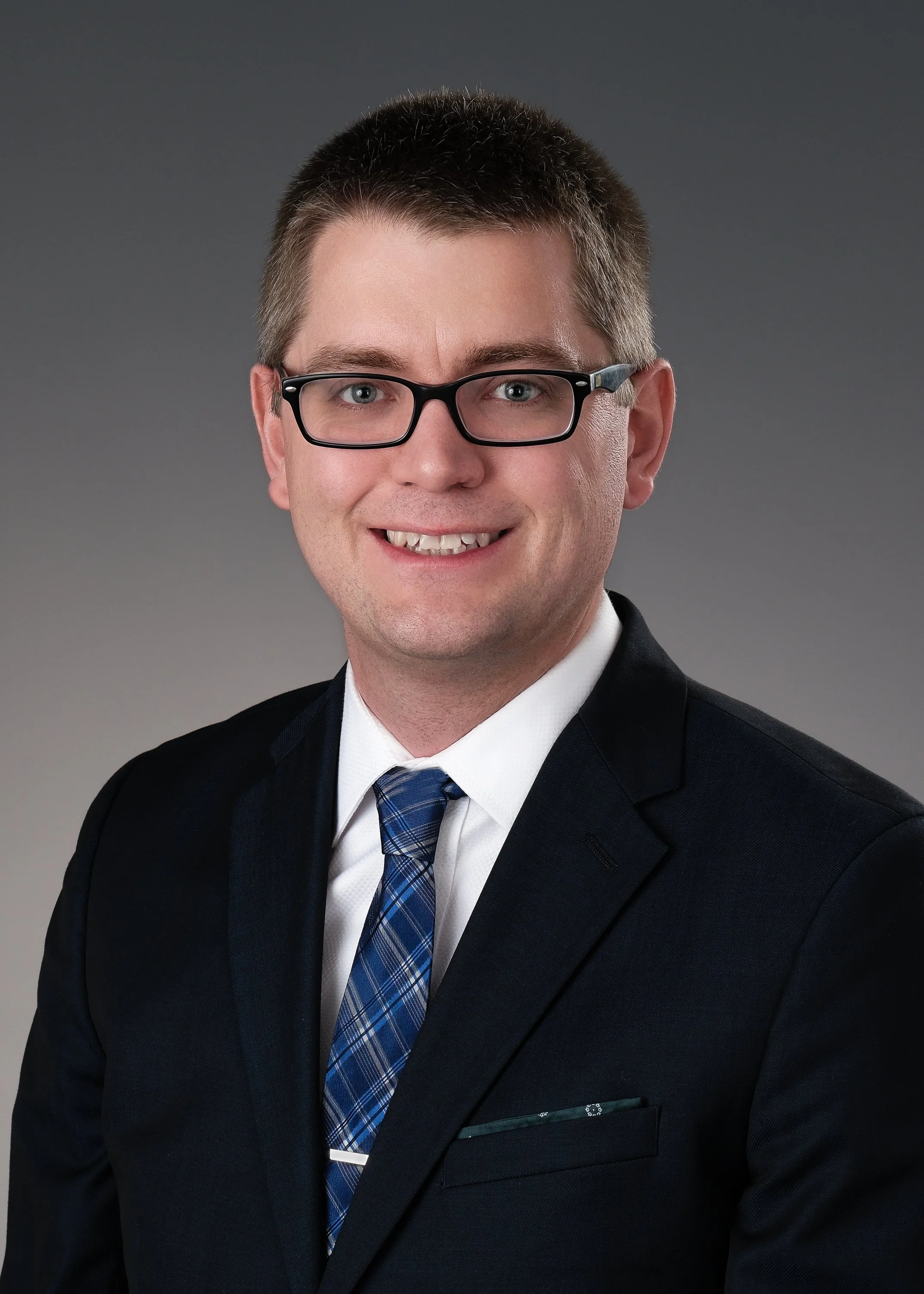
Matthew Jeffers
University of Ottawa, Canada
-
Matthew Jeffers is a PhD candidate in Epidemiology at the University of Ottawa, Canada, supervised by Drs. Manoj Lalu and Dean Fergusson, with support from the Vanier Canada Graduate Scholarship and Stem Cell Network Impact Awards. His research focuses on improving the translational relevance and rigor of preclinical evidence, particularly how international regulatory expectations shape the translation of novel cell therapies into early-phase clinical trials. This work integrates regulatory science and experimental design best practices to develop practical tools that help cell therapy developers more efficiently advance their research. Prior to his doctoral training, Matthew spent nearly a decade working as a laboratory manager conducting and overseeing late-stage preclinical studies, including contract research supporting the clinical translation of cell and gene therapies, small-molecule drugs, and medical devices.
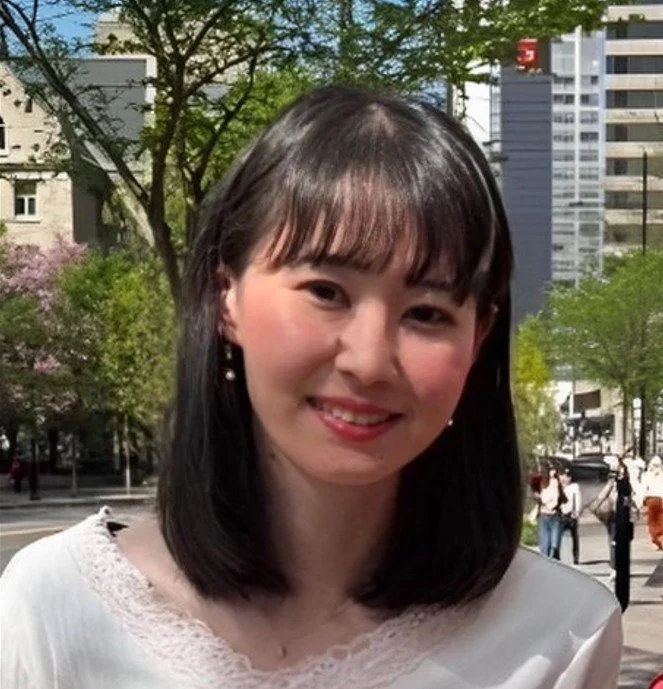
Riho Kanai
McGill University, Canada-
Dr. Riho Kanai holds nine years of clinical experience as a board-certified prosthodontist with research interests on salivary gland regeneration. She served as an assistant professor in Japan for three years, focusing on basic and preclinical research on macrophage-based cell therapies for radiation-induced xerostomia. She is currently conducting research in Canada on cell-free therapeutic strategies with labial gland-derived MSCs, as well as preclinical studies using WJ-MSCs for Sjögren’s disease. Building on experience in both clinical practice and translational research, she is committed to advancing patient- centered, evidence-based regenerative medicine.
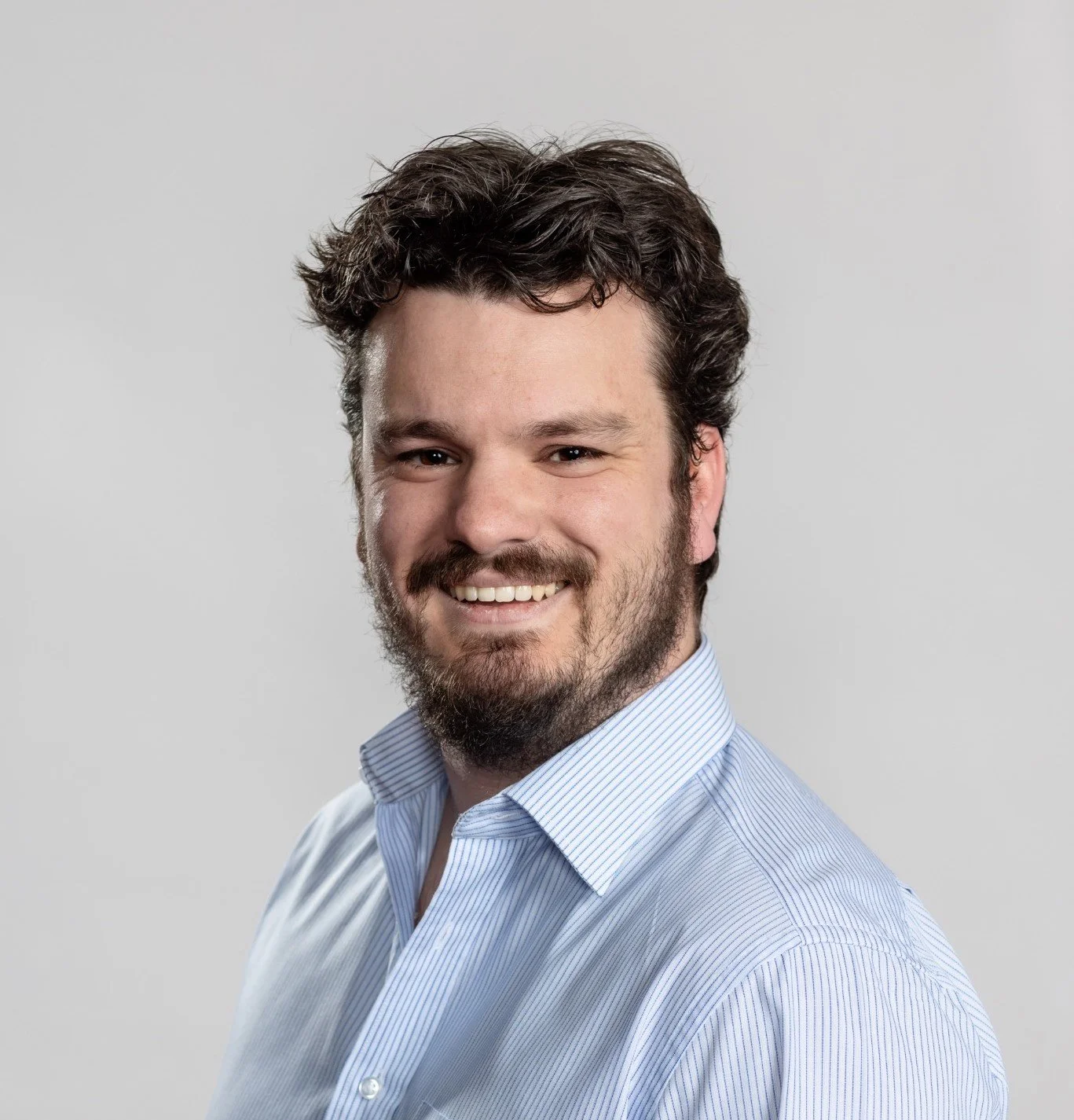
Jarmon Lees
St Vincent’s Institute of Medical Research, Australia-
Dr. Jarmon Lees is an Australian Heart Foundation Future Leader Fellow and Team Leader at St Vincent’s Institute of Medical Research (Melbourne, Australia), and an honorary Senior Fellow at The University of Melbourne and Monash University. He completed his PhD in 2018 at The University of Melbourne, studying human stem cell metabolism during neuronal differentiation. Dr. Lees now develops human stem cell–derived models of the heart to drive drug discovery and understand mechanisms underlying Friedreich ataxia heart disease, diabetic heart disease, and cardiorenal syndrome. His research focuses on high-throughput screening of novel therapeutics and the development of emerging drug and mRNA-based treatment strategies.
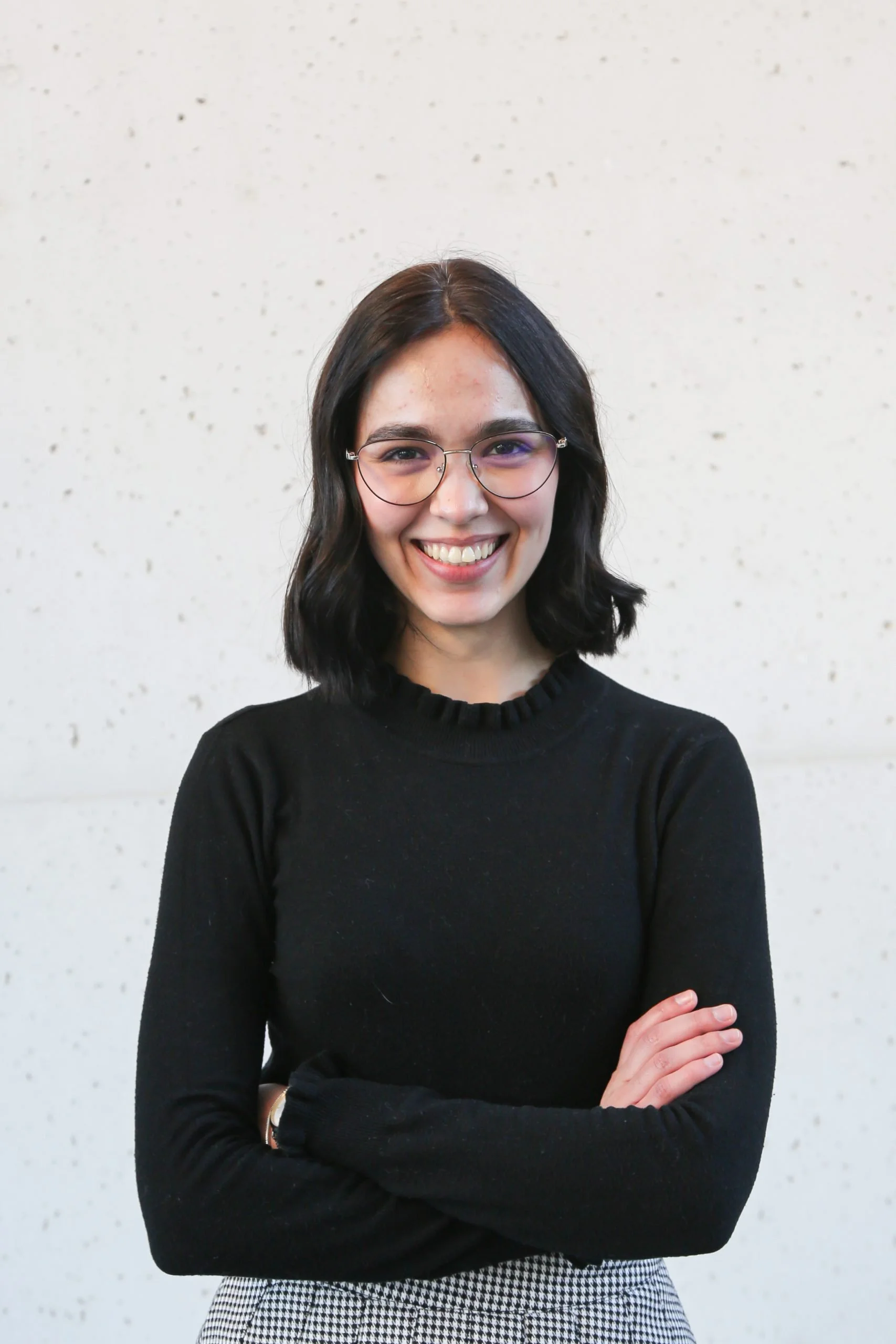
Anabela Moreira
University of Minho, Portugal-
Anabela is a PhD candidate in Biomedicine and Health Sciences at the Life and Health Sciences Research Institute (ICVS)/University of Minho (Portugal), in collaboration with University College London (UK). Her project is focused on the use of stem cells both to model features of Parkinson’s disease in vitro and develop innovative therapies for this neurodegenerative disorder. Following an Integrated Master’s in Bioengineering (Molecular Biotechnology specialization) at the University of Porto, Anabela worked as a researcher in industry, where she was able to develop various projects in tissue engineering together with partner academic institutions across Europe. Anabela is also a member of the Portuguese Society for Stem Cells and Cell Therapy, where she is working towards the establishment of an Early Career Researcher (ECR) Network. Besides conducting biomedical research, Anabela is passionate about science communication and outreach, having participated in several initiatives that bring scientific progress and knowledge closer to the public.
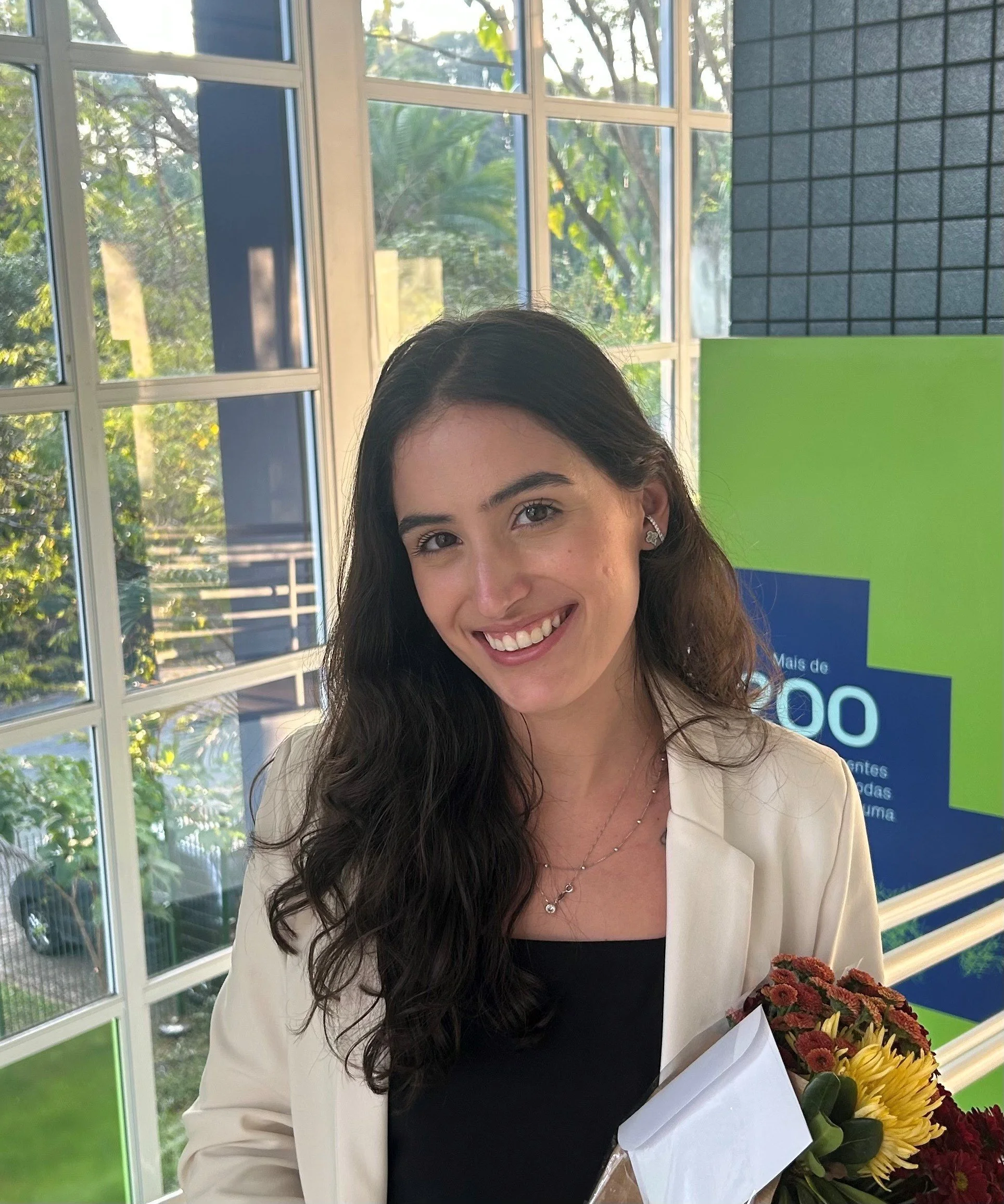
Lara Pacheco
University of São Paulo, Brazil
-
Lara Pacheco is a PhD candidate in Genetics at the University of São Paulo (USP) and a visiting researcher at Duke University. She holds a Bachelor’s degree in Biological Sciences from USP. Her research focuses on generating induced hepatic cells in vitro through cell fate reprogramming.
Laura Stankiewicz
United Therapeutics, Canada-
Dr. Laura Stankiewicz is a biomedical engineer and Program Manager for Thymus-Based Therapeutics at United Therapeutics in Vancouver, British Columbia. She holds a BASc in Chemical Engineering from Queen's University and a PhD in Biomedical Engineering from the University of British Columbia, where her research focused on human thymus architecture, spatial omics, and T cell development—including key discoveries of sex- biased differences in thymic niches. Her work integrates stem cell-derived T cell platforms with insights from human thymus biology to advance thymus-based regenerative therapies targeting immunosenescence.
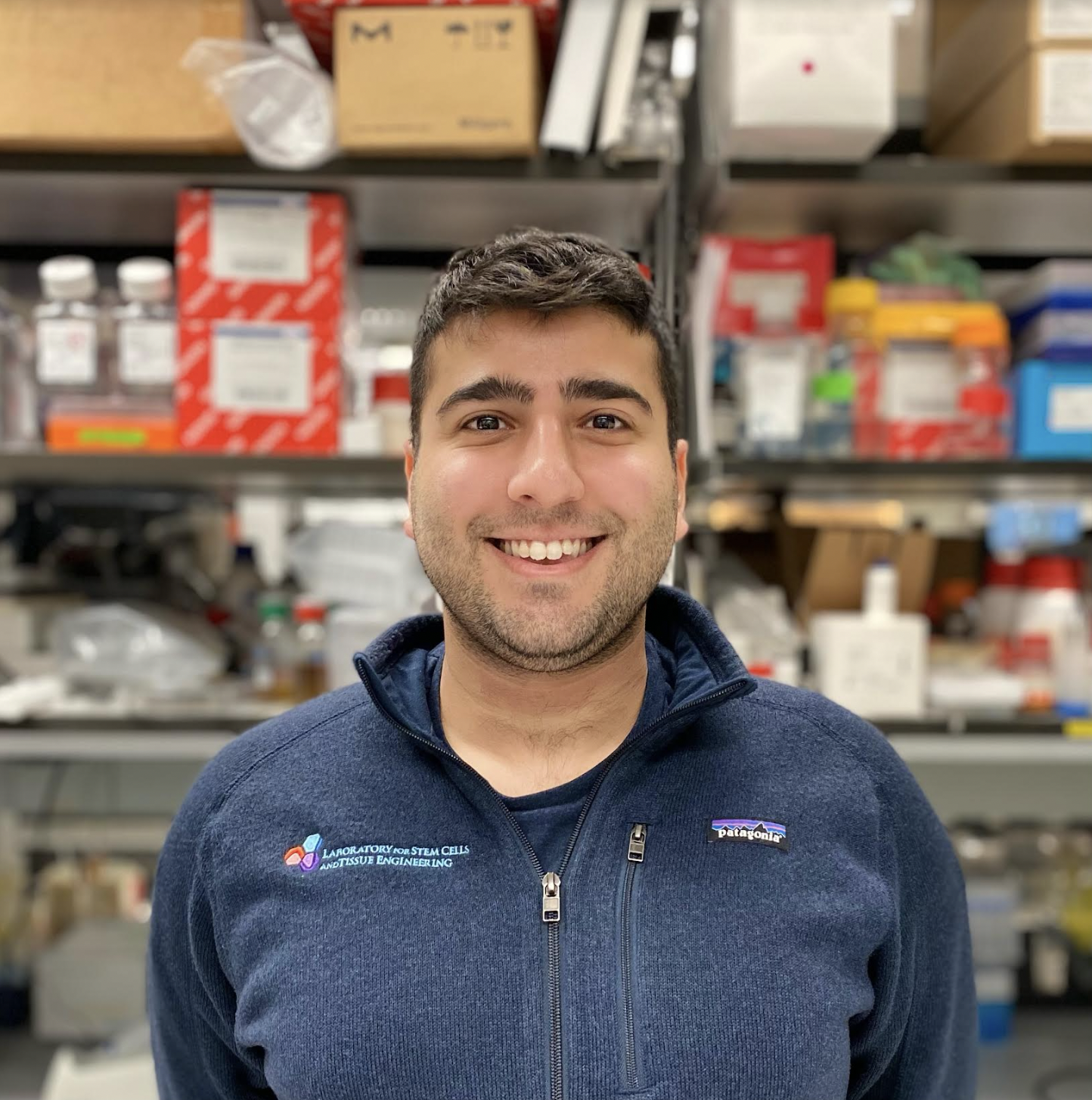
Naveed Tavakol
Columbia University, USA-
Dr. Naveed Tavakol is a biomedical engineer with a skillset uniquely placed at the intersection of in vitro microphysiological systems, pluripotent and adult stem cell technologies, and biomedical engineering education. As a graduate student in Dr. Gordana Vunjak-Novakovic’s Lab for Stem Cells & Tissue Engineering at Columbia University, Naveed was focused on engineering micro-scale bone marrow (BM) models to study systemic immune interactions in health and disease, with a large focus on studying the effects of simulated cosmic radiation anticipated in space travel. In his postdoctoral work, he is continuing to use these models for advanced studies of malignant hematopoiesis, including patient-specific drug treatments and characterization of stromal-blood cell interactions. Naveed is particularly interested in scientific dissemination tools and opportunities to help bridge communities within the biomedical sciences.