
Member Spotlight: Alessandro Bertero, PhD
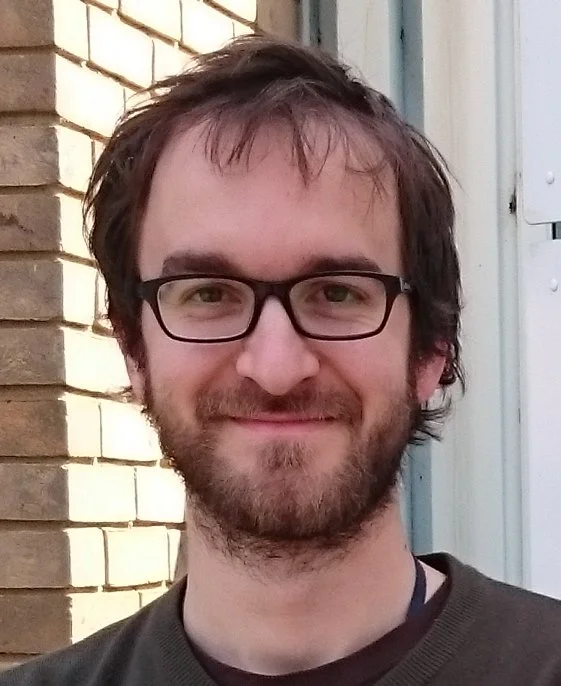
Alessandro Bertero, PhD
Associate Professor, University of Turin, Italy
Hometown
Bra, Italy
Current Residence
Turin, Italy
Graduate Degree
PhD in Stem Cell Biology, University of Cambridge, UK
Postdoc Work
Postdoctoral research at the University of Washington, USA, with Charles “Chuck” Murry
Current Position
Associate Professor, University of Turin, Italy
ISSCR Participation
Early Career Editor, Stem Cell Reports; Organizing Committee, The Stem Cell & Developmental Biology Early Career Symposium
-
My group studies how chromatin architecture guides pluripotent stem cell differentiation, with a particular focus on cardiogenesis. We use these insights to genetically program cells for new approach methodologies, cell therapies, and cultivated meat. We call this paradigm “genome architecting”: controlling cell identity and function by understanding and shaping the three-dimensional structure of DNA.
-
Our work sits at the intersection of three fields that share a common challenge: the need to reproducibly and scalably manufacture high-quality, functionally mature cells. First, we aim to create more robust and predictive human cell models for studying development and disease. Second, we seek to help make cell therapies safer, more effective, and more broadly accessible. Third, we apply similar principles to cultivated meat, with the long-term goal of reducing the ecological and food-security pressures associated with conventional animal agriculture.
-
It may sound cliché, but I still find the excitement of discovery incredibly rewarding, especially when it is shared with colleagues who have worked together for years to tackle a difficult question. A close second is the sense of community that comes from sharing research openly, receiving thoughtful input, and contributing to the work of others.
-
I was initially encouraged to pursue medicine, but while preparing for admission I learned about molecular cloning and the early days of genetic engineering. I thought it was the coolest thing ever, and I pivoted to biotechnology. Soon after, induced pluripotent stem cells were discovered. Since then, I have been fascinated by the possibility of bringing these two revolutions together: using genetic engineering to understand differentiation, and ultimately to control it.
-
I strongly believe this is the century of biotechnology, especially as artificial intelligence begins to empower experimental biology in new ways. Stem cell research sits at the center of many pivotal challenges in human and planetary health. My advice to trainees is to build a foundation in rigorous experimental work, engage deeply with emerging disciplines, and develop a network of peers across fields. That combination will put them in the strongest possible position to recognize and seize the opportunities that are sure to emerge.
-
I am deeply indebted to both Chuck Murry and Ludovic Vallier, who taught me so much about stem cell research, routes to impact, and mentorship. Their leadership within and beyond the ISSCR continues to inspire the kind of role I hope to play in the years ahead.
I also have a special place in my heart for my first mentor during my bachelor’s and master’s studies, Guido Tarone, who passed away prematurely and left a profound gap in the institute where I am now privileged to work. I try to bring his enthusiasm, rigor, and generosity into my own mentoring, which I believe is the best way to honor his legacy.
-
I have two amazing school-aged children who keep me busy. We love traveling together, including to conferences, and enjoying the beautiful outdoors around Turin. I rarely find the time nowadays, but I also love playing board games with my wife and our friends.
-
People are often surprised by my strong scientific interest in cultivated meat, which aligns closely with my vegan diet. I also happen to be red-green color-blind, which statistically should not be very surprising given how common it is among men. And yet, colleagues still keep showing me red and green immunofluorescence images!
-
Because my work spans several fields, I can sometimes feel like an outsider. The ISSCR is the exception. It was the first scientific society I joined, and it remains the one where I feel most fully at home, both scientifically and personally. I deeply value the community I have come to know through the society, and I am eager to help ensure its continued success.