Member Spotlight: Karl Koehler, PhD
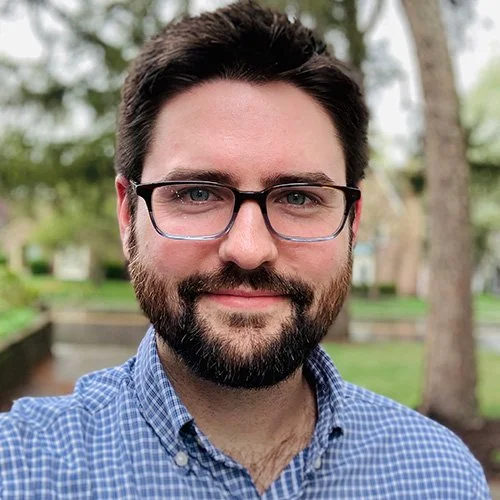
Karl Koehler, PhD
Boston Children's Hospital and Harvard Medical School, USA
Hometown
Lebanon, IN, USA
Current Residence
Newton, MA, USA
Graduate Degree
PhD in Medical Neuroscience, Indiana University School of Medicine
Postdoc Work
Postdoctoral Fellowship in Stem Cell Biology, Indiana University School of Medicine
Current Position
Associate Professor of Otolaryngology-Head and Neck Surgery, Boston Children's Hospital and Harvard Medical School
ISSCR Participation
Speaker at the iPSC 20th Anniversary Symposium: 20 Years of iPSC Discovery: A Celebration and Vision for the Future
-
My lab develops human organoid systems that model the development, disease, and regeneration of sensory tissues, with a focus on the inner ear and hair-bearing skin. We integrate stem cell biology, developmental principles, and bioengineering to intentionally build complex, multi-lineage tissues. Current work includes everted inner ear organoids, anatomically patterned skin organoids, organoid-on-chip platforms, and patient-specific disease modeling for disorders such as Usher syndrome and epidermolysis bullosa (EB).
-
The tissues that allow us to hear, balance, and protect our bodies are highly specialized and cannot easily repair themselves. By growing miniature versions of these tissues from human stem cells, we can study how they develop, understand what goes wrong in disease, and test new treatments safely in the lab. This approach brings us closer to regenerative therapies for aliments such as hearing loss and severe skin disorders.
-
I find it deeply rewarding to see complex tissues self-organize and reveal new insights into human development. Equally meaningful is mentoring trainees and watching them grow into independent, creative scientists. Both discovery and mentorship keep me energized and optimistic about the future of the field.
-
I was drawn to neuroscience early on by questions about how complex neural systems form and function. During my training, stem cells stood out as a way to directly model these developmental processes in human tissue. Organoids allow me to combine fundamental biology with translational goals in a way that feels both rigorous and impactful. Ultimately, I'm driven by the potential to help patients with the basic work we are doing.
-
Be relentlessly curious about how tissues form in the embryo—developmental biology is the blueprint for organoid engineering. Embrace iteration, because progress comes from cycles of building, observing, and refining. Finally, cultivate breadth: the future of organoid science belongs to people who can think across biology, engineering, computation, and clinical medicine.
-
My graduate mentor, Eri Hashino, challenged me to think critically early on and gave me the freedom to pursue ambitious experiments, even when they failed. I’ve also been inspired by Jim Wells and Doug Melton, whose work and leadership have shaped how I think about organoids and scientific vision. In addition, Yoshiki Sasai’s pioneering retinal organoid studies were foundational for our initial development of mouse inner ear organoids.
-
I enjoy spending time outdoors with my family, especially hiking—we’re lucky to live within minutes of numerous parks and nature preserves outside of Boston. I have three young boys who keep me constantly busy (and tired), but they also make time away from the lab especially meaningful. Getting outside together is one of the best ways for us to recharge.
-
I was actually kicked out of the science research fellows program at my undergraduate university because I failed to complete a required internship. At the time, it felt like a major setback. In hindsight, it’s a reminder that scientific paths are rarely linear—and I’m glad I stuck with science as a profession!
-
ISSCR provides an essential forum for exchanging ideas across disciplines and career stages. I value the society’s commitment to rigor, education, and thoughtful discussion about the future of stem cell research. It’s a community that consistently pushes the field forward.