
2026 Election
Online ballot casting is closed.
The ISSCR invited Full, Postdoc, and Student members to shape the future of the Society by casting your ballot in the 2026 ISSCR Board of Directors election. The 2026 election will determine a new vice president, three new directors, and the re-appointment of one director. Explore the election announcement for more details.
Vice President Candidates
The Vice President serves on the Executive Committee for four years. After the first year as Vice President, they serve as President-elect, then President, and a final year as Past-President.
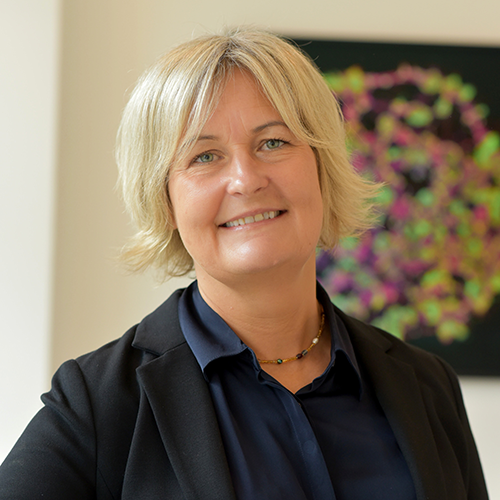
Malin Parmar, PhD
Lund University, the Lund Stem Cell Center, the Swedish Research Council, The Royal Swedish Academy of Sciences, Sweden
-
Malin Parmar is Professor of Cellular Neuroscience at Lund University, Sweden, Director of the Lund Stem Cell Center, as well as a Distinguished Professor of the Swedish Research Council and elected member of The Royal Swedish Academy of Sciences. Her work bridges fundamental stem cell biology and clinical translation, with a particular focus on developing regenerative therapies for Parkinson’s disease. She is committed to advancing scientific excellence, responsible clinical translation, and global collaboration within the stem cell community.
-
Malin Parmar is an internationally recognized leader in stem cell biology and regenerative medicine, known for her pioneering contributions to the development of stem cell–based therapies for neurological disorders and for advancing cellular reprogramming approaches in regenerative medicine. Her research bridges fundamental stem cell biology and clinical translation, with a particular focus on developing regenerative therapies for Parkinson’s disease.
Professor Parmar’s scientific work has fundamentally advanced the understanding of how pluripotent stem cells can be directed toward functional neural cell types suitable for transplantation. Her research has played a central role in establishing stem cell-derived dopamine neurons as a therapeutic strategy for Parkinson’s disease and has contributed to the development of clinical-grade cell products and translational pipelines. She leads the STEM-PD clinical trial, one of the first efforts to evaluate stem cell-derived dopamine neurons in patients with Parkinson’s disease, representing a major milestone in the clinical translation of stem cell research. By integrating organoid models, advanced molecular methods and single-cell technologies, her work has also provided new insights into cell identity, lineage specification, and tissue environments, supporting the development of next-generation regenerative and disease-modeling platforms. In parallel, her pioneering work on cell reprogramming has contributed to the emergence of new principles for direct lineage conversion and in vivo cell fate manipulation as emerging approaches for regenerative medicine.
In addition to her scientific work, Professor Parmar leads the Lund Stem Cell Center, an interdisciplinary research environment bringing together experimental scientists, clinicians, and technology platforms across regenerative medicine. Through this role, she has contributed to strengthening collaborative research structures and fostering seamless integration between discovery science and clinical translation.
A defining aspect of Professor Parmar’s career has been her long-standing commitment to international scientific collaboration and community building within the stem cell field. She has been actively engaged in the International Society for Stem Cell Research (ISSCR) for many years, serving as a member of the Board of Directors, contributing to the Public Policy Committee, and previously chairing the International Committee. Through these roles, she has worked to strengthen global engagement within the Society, promote scientific exchange across regions, and support responsible and evidence-based communication around stem cell science and its clinical applications.
Her global engagement extends beyond ISSCR through leadership roles in international collaborative initiatives such as GForce-PD, which coordinates global efforts to advance stem cell therapies for Parkinson’s disease, and through involvement in Science for Democracy, promoting the role of science in open, evidence-based societies. Across these activities, Parmar has consistently worked to foster collaboration across disciplines, sectors, and geographic regions, with the goal of ensuring that advances in stem cell science translate into meaningful and equitable benefits for patients worldwide.
-
Responsible and Evidence-Based Translation: Stem cell research is entering a pivotal phase in which rapid scientific advances are increasingly translating into clinical applications. This progress brings both opportunity and responsibility. A central priority for the ISSCR will be to continue promoting responsible and evidence-based translation, ensuring that scientific rigor, patient safety, and ethical standards remain at the core of clinical development worldwide. As more therapies move toward clinical implementation, the Society plays a critical role in supporting clear communication, strengthening global standards, and addressing the ongoing challenge of unproven or premature interventions.
Global Engagement and Collaboration: At the same time, the field is becoming increasingly global, with major advances emerging from diverse scientific and clinical environments. Strengthening global engagement and ensuring that the ISSCR remains an inclusive platform for collaboration across regions, disciplines, and career stages will be essential. Facilitating dialogue between basic scientists, clinicians, industry, regulators, and patient communities will help ensure that innovation proceeds in a coordinated and responsible manner.
Emerging Technologies and the Future of the Field: Emerging technologies, including organoids, cellular reprogramming, genome engineering, and data-driven approaches, are expanding the scope of stem cell science and creating new opportunities for interdisciplinary collaboration. The ISSCR is uniquely positioned to foster these connections, support the next generation of scientists, and help guide the field through a period where working together across borders and sectors will be essential to make new scientific discoveries and translating them into safe, effective, and equitable therapies for patients worldwide.
-
My scientific career has been shaped by training and collaboration across different research cultures and environments. Having completed my undergraduate studies in Canada, my doctoral training in Sweden, and my postdoctoral training in Scotland, I experienced early on how international exchange strengthens science and builds communities beyond institutional and geographic boundaries. These experiences have strongly influenced my commitment to global engagement and to the role that the ISSCR plays as a unifying platform for the international stem cell community. Throughout my career, I have also seen how a positive environment and global scientific society can make a meaningful difference at the individual level, such as supporting young scientists, enabling collaborations that might not otherwise emerge, and fostering a sense of belonging within an international research community.
My involvement with the ISSCR has been a central part of my professional service. I have served as a member of the Board of Directors, contributed to the Public Policy and Membership Committees, previously chaired the International Committee, and served as Program Chair for the ISSCR Annual Meeting. Through these roles, I have worked to strengthen global participation within the Society and support dialogue across regions, disciplines, and career stages. This experience has given me a deep appreciation of the Society’s responsibility in setting shared standards, promoting responsible communication, and creating spaces where scientific, clinical, regulatory, and societal perspectives can come together constructively.
I am interested in serving as ISSCR President because the field is entering a period in which continued progress depends not only on scientific advances, but also on collaboration, trust, and responsible leadership. I would aim to support the Society as an inclusive and globally engaged organization that fosters excellence while helping ensure that stem cell research continues to advance in a rigorous, transparent, and socially responsible way, strengthening both the scientific community and its impact on society.
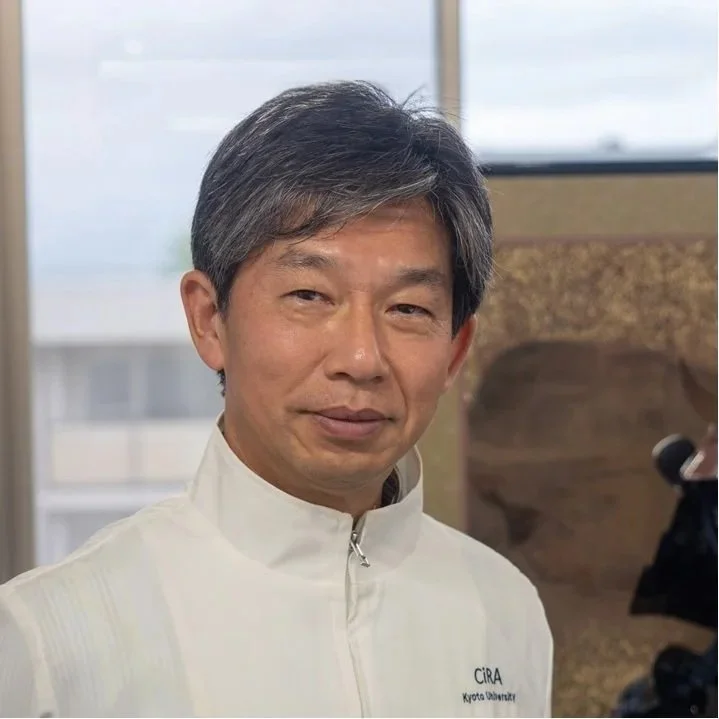
Jun Takahashi, MD, PhD
Center for iPS Cell Research and Application (CiRA), Kyoto University, Japan
-
Jun Takahashi, MD., PhD., is the Director and Professor at the Center for iPS Cell Research and Application (CiRA) at Kyoto University in Japan.
-
Jun Takahashi, M.D., Ph.D., is Director and Professor of the Center for iPS Cell Research and Application (CiRA) at Kyoto University, Japan, and a leading figure in the global effort to translate induced pluripotent stem (iPS) cell research into clinical medicine. He received his medical degree from Kyoto University in 1986 and began his career as a neurosurgeon at Kyoto University Hospital, where his clinical experiences with neurodegenerative disorders shaped his long-standing commitment to regenerative therapies for the central nervous system.
After completing his doctoral training at the Kyoto University Graduate School of Medicine, Dr. Takahashi pursued postdoctoral research at the Salk Institute for Biological Studies in California under the mentorship of Dr. Fred H. Gage. There, he initiated pioneering studies on neural stem cells, laying the scientific foundation for his later work in stem cell–based neural repair.
In 2010, Dr. Takahashi joined CiRA as a founding member in the establishment of the institute, and he was appointed a full professor in 2012. His research has since focused on the development of safe, scalable, and clinically applicable stem cell therapies for Parkinson’s disease. As a physician-scientist, he has played a central role in bridging basic stem cell biology and clinical translation.
From 2018 to 2023, Dr. Takahashi led the world’s first physician-initiated clinical trial using human iPS cell–derived dopaminergic progenitor cells for Parkinson’s disease, demonstrating their safety and providing early evidence of therapeutic potential. Building on these achievements, he continues to guide CiRA’s strategic vision as Director, advancing next-generation iPS cell technologies, regenerative medicine, and global collaboration.
-
Since the establishment of the ISSCR in 2002, nearly a quarter-century has passed, and the landscape of stem cell research has changed profoundly. This invites us to revisit two fundamental questions: Why “stem cells,” and why “international”?
Why stem cells? Because stem cells are increasingly central to science, medicine, and industry. They are no longer rare or newly discovered, but core cells essential for understanding development, disease, regeneration, and aging. Developmental biology has shifted from a “dissective” approach to a “constructive” one. Organoid-based disease models have transformed medical research, drug discovery, and toxicity testing, while stem cell–based therapies have opened new therapeutic possibilities. These advances are tightly integrated with gene editing/delivery, and genome/epigenome analyses, driving further innovation. At the same time, new ethical challenges—such as those related to embryo creation—have emerged, underscoring the need for a strong, interdisciplinary stem cell community.
Why, then, an international society? This is because natural sciences are universal, but social and regulatory contexts differ widely. Scientific discovery advances globally, and one of the key roles of an international society is to provide a forum for this collaboration. More importantly, it lies in sharing and respecting diversity. Regulations governing research and clinical application vary across cultures, religions, and legal systems. By understanding the backgrounds of these differences and sharing essential information, the international community can collectively improve global health.
There is no trick to promoting international research. It simply requires steady, sustained effort that responds to the times and faithfully implements the principles described above.
-
My engagement with stem cell research began nearly 30 years ago, in 1995, with studies on neural stem cells with Prof. Fred Gage. At Kyoto University, I have been developing an ES cell-based therapy for Parkinson's disease with the late Prof. Yoshiki Sasai since 1999, and an iPS cell–based one with Prof. Shinya Yamanaka since 2007.
As a neurosurgeon, I view stem cells not merely as a research subject, but as a means to advance neural regenerative medicine. We conducted a clinical trial of cell transplantation for Parkinson’s disease, demonstrating safety and potential efficacy, and related trials are now underway in the United States. This translational work has provided me with experience spanning basic research, regulatory affairs, and collaboration with pharmaceutical companies.
My involvement with the ISSCR includes service on the Guidelines Committee and award selection committees, as well as serving as an Associate Editor of Stem Cell Reports from 2019 to 2025. I have also long served as an Executive Board Member of the Japanese Society for Regenerative Medicine. In October, the ISSCR Symposium commemorating the 20th anniversary of iPS cells will be held in Kyoto, with my participation on the Program Committee and co-organization by CiRA and JSRM. Since April 2022, I have served as Director of CiRA, overseeing its operations while promoting young researchers, strengthening domestic and international collaborations, and securing philanthropic support.
I believe these experiences will contribute to the governance of the ISSCR and help foster a bright future for the global stem cell community.
Director Candidates
In this election, ISSCR members will vote for three directors with ethics, industry, and next generation technology expertise in support of the strategic direction of the Society. Directors are elected to serve a 3-year term and may be re-appointed to serve a second term.
Director Seat | Ethics Expertise
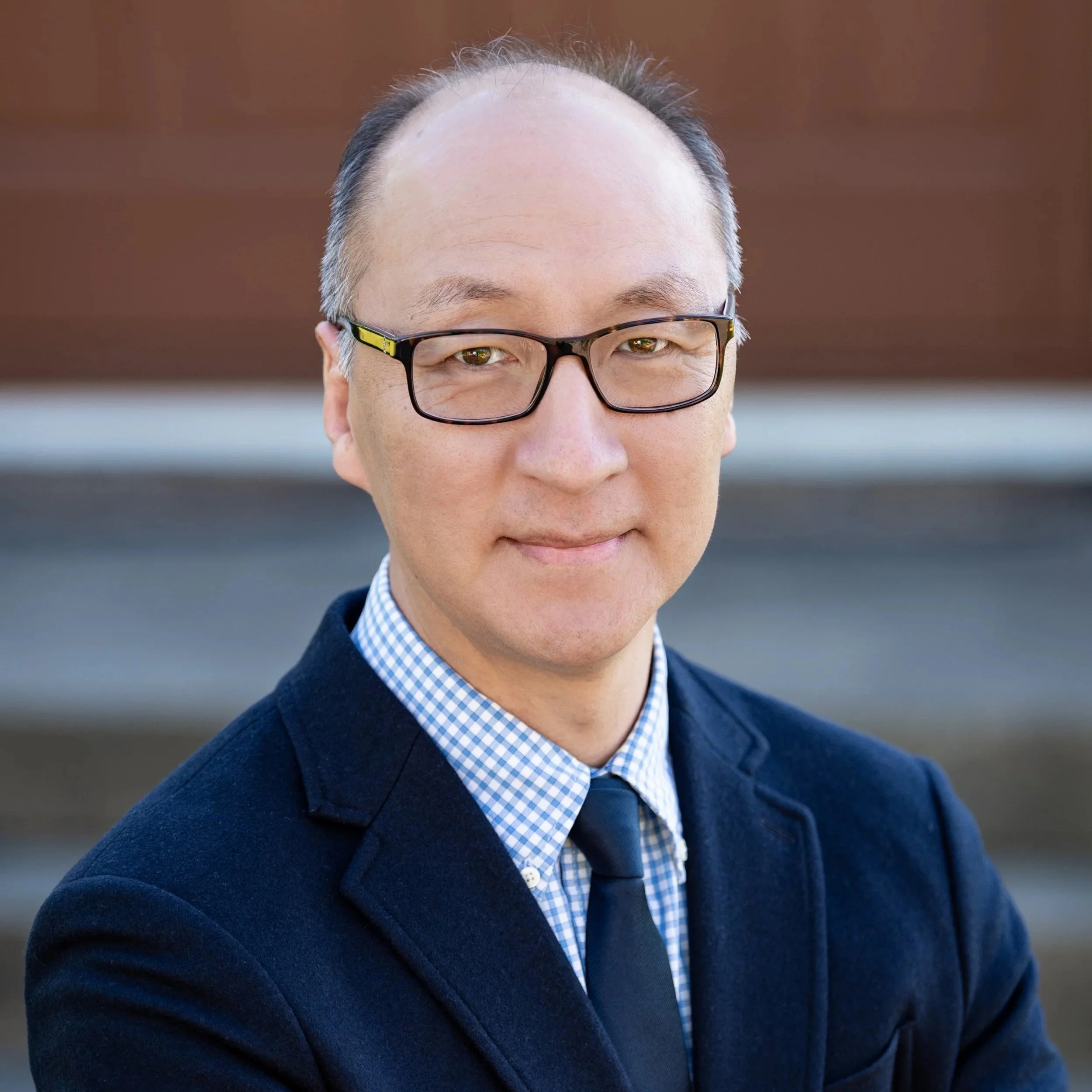
Insoo Hyun, PhD
Hastings Center for Bioethics, an Affiliate of the Center for Bioethics at Harvard Medical School, USA and the Centre for Biomedical Ethics, Yong Loo Lin School of Medicine, National University of Singapore, Singapore
-
Insoo Hyun is a Senior Researcher at the Hastings Center for Bioethics, an Affiliate of the Center for Bioethics at Harvard Medical School, and a Distinguished Visiting Professor at the Centre for Biomedical Ethics, Yong Loo Lin School of Medicine, National University of Singapore. Dr. Hyun has been heavily involved with the ISSCR for over 20 years, using his bioethics expertise – in collaboration with leading researchers – to help shape research policy and to promote the ethically responsible advancement of stem cell science worldwide.
-
Insoo Hyun is a Senior Researcher at the Hastings Center for Bioethics, an Affiliate of the Center for Bioethics at Harvard Medical School, and Visiting Professor at the Centre for Biomedical Ethics, Yong Loo Lin School of Medicine, National University of Singapore. He is the former Director of Research Ethics at Harvard Medical School and taught as a Senior Lecturer in HMS’ Department of Global Health and Social Medicine. Prior to his appointments at Harvard, Dr. Hyun was Professor of Bioethics and Philosophy at Case Western Reserve University School of Medicine, where he taught undergraduate, graduate, and medical students for over 18 years.
Dr. Hyun’s research interests include stem cell ethics and policy, the clinical translation and ethical implementation of emerging technologies such as bio- and tissue-engineering, and medical AI. In recent years, he was Principal Investigator of an NIH BRAIN Initiative-funded project exploring the scientific and ethical issues surrounding human brain organoid research, in collaboration with labs headed by Paola Arlotta and Sergiu Pasca. He also was the PI on a Greenwall Foundation grant exploring the ethics of new bioengineering tools, including stem cell-based embryo models, in collaboration with Jianping Fu.
Dr. Hyun has been heavily involved with ISSCR since 2005. He has helped draft each version of the ISSCR Guidelines: in 2006 he chaired the Guidelines Task Force Subcommittee on human biomaterials procurement; in 2008, served as Co-Chair (alongside Olle Lindvall) of the ISSCR Guidelines Task Force for clinical translation; in 2016 he co-chaired with George Daley the subcommittee on embryo research and related laboratory activities; and in 2021 he chaired the Task Force subcommittee on organoids and chimera research. As part of his decades-long service to ISSCR, Dr. Hyun also drafted all the informed consent templates posted online by ISSCR for biomaterials procurement and has taken the lead in writing several ISSCR white papers on chimera research for the ISSCR community. Besides his work on the ISSCR Guidelines, Dr. Hyun served twice as Chair of the ISSCR Ethics Committee, where he continues to serve as a member. Finally, in 2025 Dr. Hyun joined the ISSCR’s Education Committee, where he helped to design and deliver the ISSCR’s and Harvard Medical School’s joint online continuing medical education course Stem Cell Medicine: From Scientific Research to Patient Care.
Dr. Hyun received his BA and MA in Philosophy with Honors in Ethics in Society from Stanford University and his PhD in Philosophy from Brown University. He has been interviewed frequently on National Public Radio and has served on national commissions for the National Academies of Science, Engineering, and Medicine and the Institute of Medicine in Washington D.C. He is a regular contributor to Nature, Science, Cell Stem Cell, and many other academic journals. He is Editor-in-Chief of the Springer Nature book series Collaborative Bioethics, where his co-edited volume Human Brain Organoids: Scientific and Ethical Considerations was published in 2024. His book Bioethics and the Future of Stem Cell Research was published by Cambridge University Press in 2013.
-
There are many issues on the horizon facing the ISSCR. My thoughts here are informed by my work on the ISSCR’s Ethics Committee and Education Committee, my participation in convenings between the UK’s Nuffield Council on Bioethics and ISSCR leadership, the Asilomar meetings on neural organoids and assembloids organized by the Stanford Brain Organogenesis Program, my consultations with the UK’s Human Fertilisation and Embryology Authority, and my advisory work for industry and international stem cell consortia.
First is the ongoing need to track progress in stem cell-based clinical trials worldwide. This is necessary not only to monitor the challenges of clinical translation so we can learn from these experiences, but also to help address the following: (1) encouraging continued government funding, especially in crucial areas like fetal tissue research and hESC research, which are under attack again in the U.S.; and (2) creating innovative ways to discourage the proliferation of unproven stem cell therapies sold to patients. The recent ISSCR-Harvard Medical School continuing education course I helped develop helps this latter effort. We need more ways to prevent exploitation of patients.
Second, there are policy uncertainties around important work on extended embryo culture, stem cell-based embryo models, and neural organoids and assembloids, including their transplantation into animal models. ISSCR has a crucial role to play in ensuring that funding decisions, research limitations, and public trust are grounded in good science and sound ethical reasoning. Let’s use these challenges to be reflective, learn from each another, and inspire the public.
-
I am interested in serving as Director of Ethics because I want to continue advancing the humanistic aims of the ISSCR and the global stem cell community. I share with you the desire to expand the frontiers of human knowledge for its own sake and for the benefit of patients.
As an established bioethicist for the past 28 years, my approach to doing ethics is well-suited for this role. It is my demonstrated belief that ongoing collaborations between stem cell scientists and ethicists are crucial for a healthy stem cell field. Rather than one trying to police the other, genuine thought partnerships with mutual respect enable ethics to pave the way for good science. Rather than getting in the way of progress, good ethics/science partnerships reduce uncertainty for researchers and de-risk bold scientific initiatives for innovators. These are lessons I learned through my work on many ISSCR projects, my sponsored research with leading stem cell scientists, my service on safety monitoring committees for stem cell clinical trials, and my leadership positions on IRBs, animal research committees, SCROs, and national committees for the Institute of Medicine, the National Academy of Sciences, and the American Society for Reproductive Medicine.
In my 20 plus years working with the ISSCR, I have yet to contribute my energies at the Board level. I am eager to do so now. I will approach my new role with humility and a growth mindset. Thank you for this opportunity to help steward the ISSCR’s important social mission.
-
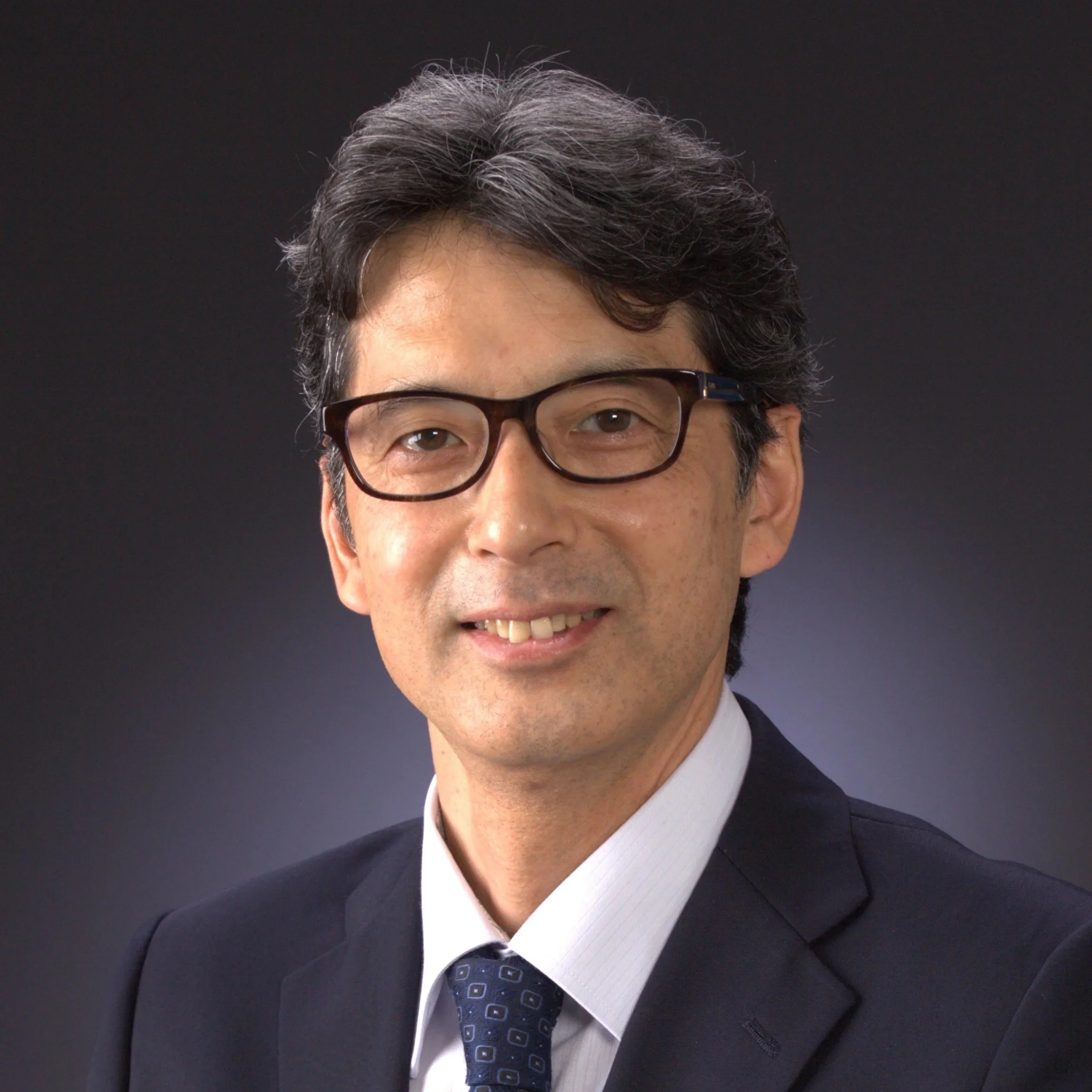
-
Kazuto Kato, Ph.D., is Professor of Biomedical Ethics and Public Policy at the Graduate School of Medicine and Adjunct Professor at the Premium Research Institute for Human Metaverse Medicine (WPI-PRIMe), the University of Osaka.
-
Kazuto Kato, Ph.D., is Professor of Biomedical Ethics and Public Policy at the Graduate School of Medicine, the University of Osaka, and a Visiting Academic Affiliate of the Centre for Health, Law and Emerging Technologies (HeLEX) at the University of Oxford. Professor Kato holds a Ph.D. degree in developmental biology from Kyoto University. After completing postdoctoral research at the University of Cambridge in the laboratory of Sir John Gurdon, he began his scholarly work on ethical and social issues in the life sciences. His research focuses on the ethical, legal, and social implications (ELSI) of advanced biomedical research, with particular emphasis on stem cell research and regenerative medicine, human genome research, and human genome editing. His work addresses issues of research ethics, governance, and policy within international and interdisciplinary research settings.
In the field of stem cell research and regenerative medicine, Professor Kato has contributed to the development of ethical and regulatory frameworks related to the derivation, use, and clinical application of human stem cells, including induced pluripotent stem cells (iPSCs). His research encompasses informed consent, donor participation, data management, and public engagement in relation to stem cell research. For the revision of the ISSCR Guidelines for Stem Cell Research and Clinical Translation in 2021, he served on a Working Group tasked with reviewing research areas related to human embryos, stem cell-based embryo models (SCBEMs), and in vitro gametogenesis. He currently serves on both the Ethics Committee and the Public Policy Committee of the ISSCR and previously served as Chair of the Ethics Committee from 2022 through 2025. In Japan, he served as a member of the Expert Panel on Bioethics of the Council for Science, Technology, and Innovation (CSTI) in the Cabinet Office from 2010 through 2020, during which time national policies concerning research on human embryos, human-animal chimeras, in vitro gametogenesis, and genome editing were discussed and formulated.
Professor Kato also conducts research in the field of genomics and genomic medicine. He has participated in international human genome research initiatives, including the International HapMap Project and the International Cancer Genome Consortium (ICGC), where he addressed ethical and social issues associated with large-scale genomic studies and biobanking. His work includes analyses of governance structures for international data sharing, policies regarding the secondary use of genomic and health-related data, and ethical challenges arising from multinational genomic collaborations. Professor Kato has also been actively involved in international governance and policy discussions related to human genome editing. He served as a member of the WHO Expert Advisory Committee on Developing Global Standards for Governance and Oversight of Human Genome Editing from 2019 through 2021, which examined ethical, social, and regulatory issues associated with genome editing technologies. Topics addressed by these committees include governance frameworks, oversight mechanisms, international coordination, and public engagement, including considerations related to heritable human genome editing.
Through his academic publications, international committee service, and engagement with global scientific organizations, Professor Kato has contributed significantly to the development of ethical discourse and policy at the intersection of stem cell research, genomic medicine, and genome editing.
-
I would like to point out three critical issues on the horizon for the ISSCR. First, research activities using pluripotent stem cells (PSCs) are expanding extremely rapidly. They include research using stem cell-based embryo models (SCBEMs), neural organoids, and in vitro gametogenesis. All of these will undoubtedly lead to a deeper understanding of the mechanisms of organ formation and bring a variety of clinical benefits. In addition, cell therapies, including those using PSC-derived cells, are moving into the clinical implementation phase. However, it is crucial that research and its applications progress together with sound ethical considerations and public engagement. The key is to gain and maintain public trust, which requires substantial and professional efforts.
The second issue is that the stem cell field is merging or interacting with other fields rapidly. I see two areas as most important. One is genomics, and the other is AI. As the stem cell research community produces numerous iPS cell lines and genome-wide analyses are conducted, researchers need to learn about the ethical, legal, and social implications of handling genomic data derived from patients. AI ethics is also important.
The third issue is global equity in research capacity and research conduct. At the moment, stem cell research and clinical translation are much more active in high-income countries. How to expand the community and capacity of stem cell science and medicine to LMICs (low- and middle-income countries) is a major challenge for the stem cell community, and it is the responsibility of the ISSCR to overcome this problem.
-
As described in the biography, I have many years of experience in both developmental biology and research on ethics and policy in biomedicine. Regarding biology, I spent four years in Sir John Gurdon’s laboratory in the 1990s as a postdoctoral fellow at the Gurdon Institute, University of Cambridge. Through interactions with members of the Institute, including Drs. Martin Evans and Azim Surani, I learned about the dynamic development of the field. I have noticed that some of the current discussions on stem cell ethics are based on misunderstandings or insufficient understanding of scientific facts. With my background, together with the knowledge I have gained over more than twenty-five years, I am confident that I can conduct and promote ethics and policy work based on a solid understanding of science.
Another point I would like to emphasize is that I can contribute to the ISSCR and the stem cell community with my broad knowledge and experience in the ethics of human genome research as well as human genome editing. The issues I have dealt with include informed consent, data security and sharing, biobanks, and the return of genomic findings, among others. I have also worked on ethics and public engagement regarding the use of AI in medicine. For human genome editing, I served on high-level committees at the World Health Organization (WHO) and also on the organizing committee of the Second International Summit on Human Genome Editing, held in Hong Kong in 2018, where I worked with leaders such as Drs. David Baltimore and Jennifer Doudna. I can apply all of these experiences and expertise to ethics and policy work at the ISSCR.
Finally, I can bring perspectives from Asia, including East Asia, Southeast Asia, and South Asia. Over the last several years, I have been collaborating with leaders in genomics and biomedicine in these regions. Therefore, I believe I can serve as a bridge between Asia and other regions in order to promote the development of stem cell science and translation in all regions of the world, including LMICs.
Kazuto Kato, PhD
Graduate School of Medicine and the Premium Research Institute for Human Metaverse Medicine (WPI-PRIMe), the University of Osaka, Japan
Director Seat | Industry Expertise
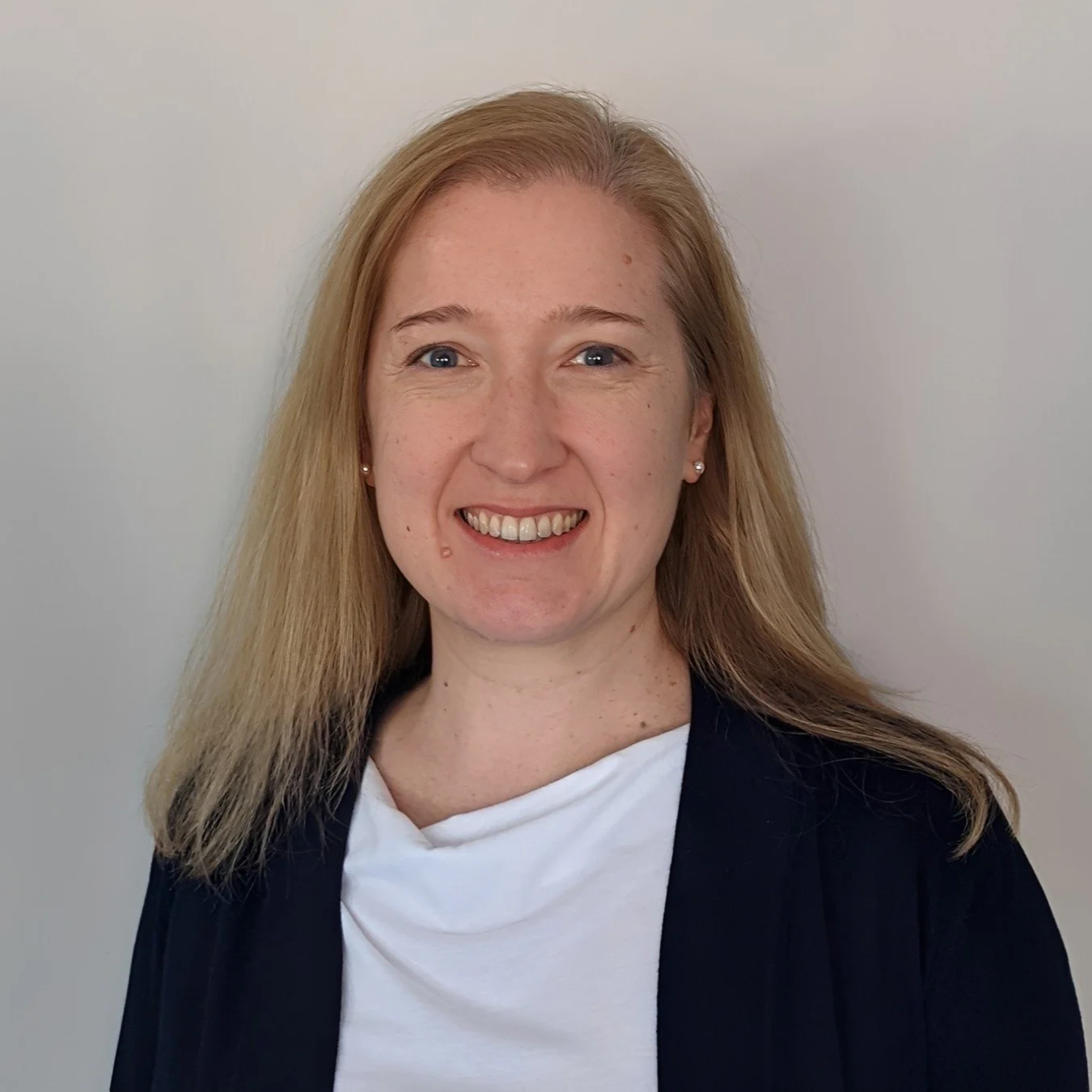
Terri Gaskell, PhD
Rinri Therapeutics, UK
-
Dr. Terri Gaskell is Chief Technology Officer at Rinri Therapeutics, a clinical-stage UK biotech company developing allogeneic pluripotent stem cell-derived regenerative therapies for hearing loss.
-
Terri has over 25 years of postdoctoral research and development experience within life sciences, in both academic and industry roles. She received her BSc. (Hons) in Biochemistry from the University of Dundee and holds a PhD in Cell and Molecular Biology from the University of Edinburgh. Following this, Terri held two postdoctoral positions in Edinburgh (one at the MRC Human Reproductive Sciences Unit and one at the Institute for Stem Cell Research), which developed her expertise in cell and developmental biology and introduced her to the amazing potential of stem cells, specifically pluripotent stem cells (although this was back in the pre-iPSC era!).
Since moving into industry, Terri’s focus has been on the development and translation of cell- and gene-based therapies, whilst maintaining a particular interest in stem cell research for both therapeutic purposes and drug discovery. Earlier industry roles included developing novel media formulations for pluripotent stem cell expansion, resulting in a commercially launched product now used by academic and industrial groups internationally.
Terri worked at the Cell and Gene Therapy Catapult for over seven years, where, as Head of Programme Delivery, she had the privilege of working with many talented colleagues and collaborators, leading or supporting the translational progression of multiple cell and gene therapy programmes from early research through preclinical development and into clinical manufacturing readiness. This unique experience enabled Terri to understand the end-to-end process from research to product, whether that was the therapy itself or a novel reagent or technology platform. Her role at CGT Catapult also included advising academics and small companies on the development of advanced therapies and associated technologies.
All this experience led Terri to her current role at Rinri Therapeutics, where she works with a dedicated internal team and a network of external collaborators to advance a regenerative therapy approach for sensorineural hearing loss. As CTO, Terri’s responsibilities include pipeline discovery research, preclinical studies, GMP manufacturing, clinical trial support and commercial readiness.
Terri brings almost two decades of industry experience translating discovery science into clinically and commercially viable regenerative therapies and products, with strength in manufacturing strategy, translational governance, and cross-sector partnership. She brings a practitioner’s perspective on how scientific excellence is operationalised at scale while maintaining ethical and regulatory rigour.
-
We stand at a pivotal moment as stem cell science increasingly translates from discovery into clinical reality, whilst simultaneously intersecting with rapidly advancing technologies and evolving regulatory and ethical landscapes. This presents both challenges and opportunities, but there are three key areas where ISSCR’s continued leadership can make a significant impact.
First, responsible translation at scale. As stem cell‑based therapy progresses through late‑stage clinical trials and into broader clinical use, maintaining rigour, reproducibility, and long‑term safety is paramount. ISSCR plays a vital role in distinguishing credible science from unproven interventions and in supporting standards that enable manufacturing, data integrity, and clinical evidence generation without compromising ethics or public trust.
Second, ISSCR must remain forward-looking as we address rapid technical convergence. Stem cell biology is now deeply intertwined with gene editing, AI‑enabled discovery, organoids, and human developmental models, raising complex scientific and ethical questions that evolve faster than traditional frameworks. The society has a unique opportunity to lead proactively — by convening interdisciplinary expertise and offering globally relevant ethical leadership that supports innovation whilst safeguarding societal values.
Third, building a global, inclusive, and future‑ready stem cell ecosystem is central to advancing the field and to ISSCR’s long‑term success. This includes expanding engagement across regions, career stages, and sectors; supporting diverse scientific career pathways; and continuing to modernise how the society delivers value through digital and hybrid participation models.
-
Since attending my first ISSCR meeting in 2007, I have been impressed by how the society has evolved alongside the science, continuing to meet the needs of its members. As a field, we have collectively travelled towards clinical translation whilst never losing sight of the critical importance of discovery science.
I genuinely believe in the power of collaboration and knowledge sharing, and my experience across academia, industry and non-governmental organisations gives me a broad insight. Few can combine deep technical grounding in stem cell biology with extensive experience building national-level translational infrastructure and leading development within a clinical-stage biotech. This combination enables me to bridge discovery science, policy, and real-world implementation. I would be honoured to bring my (sometimes hard-won) industry experience, particularly in biotech, to the ISSCR Board of Directors.
Throughout my career, I have actively mentored early‑career researchers and professionals across disciplines. I view mentorship not only as providing individual guidance but also as building structures that enable others to thrive—through access to opportunities, visibility, and supportive networks. Promoting diversity across career stage, geography, discipline, and background is essential, and it would be a privilege to help drive this from within the ISSCR.
ISSCR is entering a phase in which decisions at the board level will directly shape how stem cell science is translated, governed, and perceived globally. My career has been built at precisely this interface between discovery, development, regulation, and application. I would bring to the Board a pragmatic, globally minded, and ethically grounded perspective.
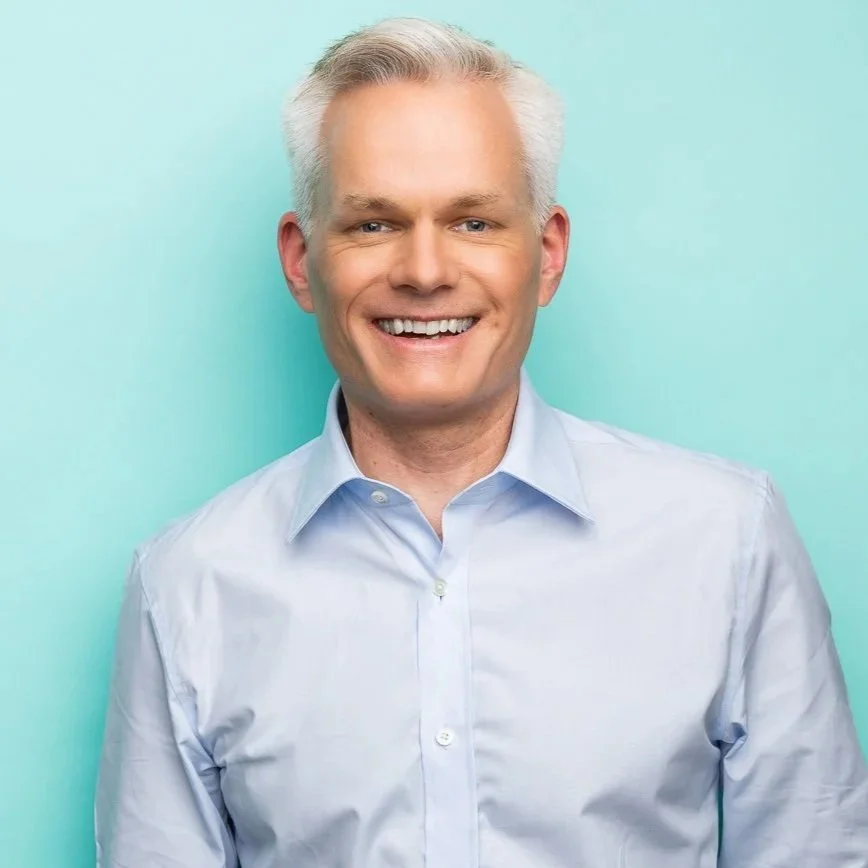
Stefan Irion, MD
BlueRock Therapeutics, USA
-
Stefan is the Chief Scientific Officer at BlueRock Therapeutics and a 20-year veteran of the ISSCR community. A physician-scientist who transitions seamlessly from the lab bench to the clinic, he is known for his "patient-first" approach and his drive to turn complex science into real-world medicines. Stefan is passionate about making cell therapies successful, affordable, and globally accessible; and he believes in having fun while we change the future of medicine together.
-
Stefan currently serves as the Chief Scientific Officer at BlueRock Therapeutics, where he leads the charge in creating the next generation of cell medicines. Since joining the team in 2017, Stefan has been a driving force behind the company’s scientific strategy, notably shepherding bemdaneprocel (a cell therapy for Parkinson’s) from an ambitious idea through IND clearance and into the clinic.
Before jumping into the biotech world, Stefan spent years honing his craft in academia. At Memorial Sloan Kettering (MSK), he worked on the foundational research that paved the way for today’s dopaminergic neuron therapies. He also led iPSC-based drug discovery for neurodegenerative diseases at iPierian, which eventually led to an acquisition by Bristol-Myers Squibb.
A physician by training, Stefan earned his M.D. from the University of Tübingen and completed fellowships at Mount Sinai in New York and the University Health Network in Toronto with Gordon Keller. Over the last two decades, he has learned that the best science happens when you combine rigorous technical expertise with a "work hard, play hard" mindset. Whether he’s presenting at an international symposium or collaborating with his team in the lab, Stefan stays rooted in his medical training: always putting the patient at the center of the work.
-
The "Wild West" days of stem cell research are behind us, and we are now standing at the threshold of a new era: making these therapies a reality for everyone, not just the few. To me, the biggest challenge on the horizon is the "accessibility gap." We have the innovation, but we need to solve the logistics of affordability and scale.
To bridge this gap, the ISSCR must lead the charge in seeking international harmonization of regulatory requirements. We need to stop reinventing the wheel in every country and instead create a unified framework that lets us move faster. We also need to get serious about "scale-up", finding the engineering solutions that take us from boutique production to industrial-scale manufacturing.
However, as we focus on the "how," we cannot lose sight of the "what." It is absolutely critical that we continue to foster and fund breakthrough moonshot ideas. While we optimize our current paths, we must remain the primary engine for those high-risk, high-reward innovations that redefine what is possible in medicine. By fostering international collaboration and bringing the best and brightest minds together, we can ensure that we aren't just making incremental gains, but taking the giant leaps that patients are waiting for. Science is a team sport, and I want to see the ISSCR lead that global collaboration with energy, optimism, and a focus on getting big results.
-
I’ve been a proud member of the ISSCR for over 20 years, and I’ve reached a point in my career where I want to give back to the community that shaped me. My "secret sauce" is my background as a physician; it’s a perspective that automatically puts the patient first in every meeting and every decision. I don’t just want to talk about science, I want to translate that science into medicines that change lives.
I’ve spent my career bridging the gap between the academic world and the biotech industry, and I’ve seen what it takes to get a therapy all the way to the clinic. I’m interested in serving on the Board because I’m deeply passionate about the ISSCR’s mission, but I also believe we can have a great time while doing this incredibly hard work. I’m ready to roll up my sleeves, tackle the tough regulatory and scaling issues, and help lead this society into its next high-impact chapter.
-
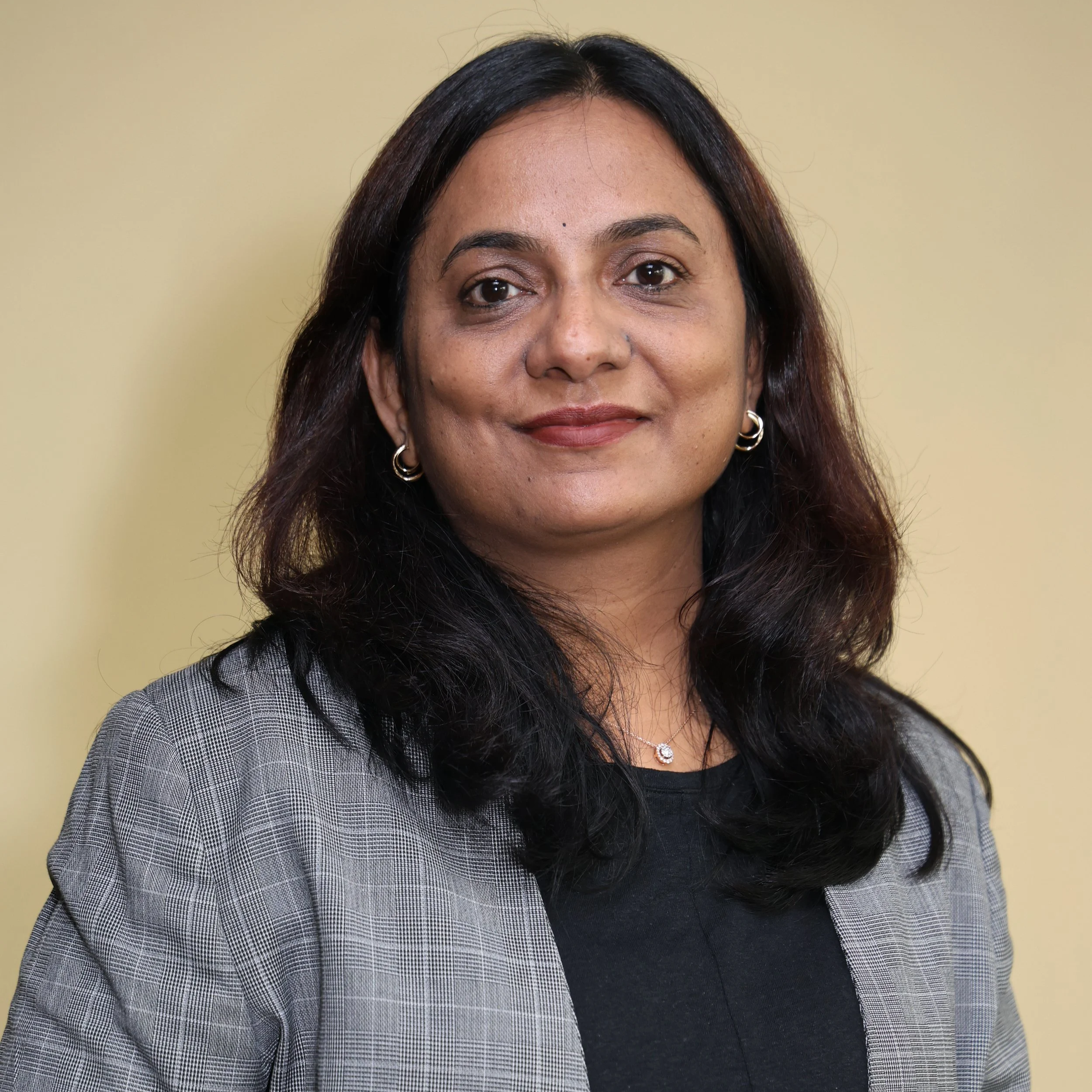
Shravanti Rampalli-Deshpande, PhD
Ignite Life Science Foundation, India
-
Dr. Shravanti Rampalli, a stem cell scientist and life sciences leader with nearly two decades of experience spanning academic research, government science institutions, and mission-driven organizational leadership. She currently serves as Chief Executive Officer of the Ignite Life Science Foundation. In this role, she focuses on building equitable, sustainable, and globally relevant research ecosystems that connect scientific rigor with real-world outcomes
-
Shravanti Rampalli is a life sciences leader, strategist, and institution builder with deep experience spanning research, innovation leadership, and organizational development. Her professional career has been rooted in India, where working within a resource-constrained ecosystem—marked by competing societal priorities, limited public funding, and uneven awareness of emerging fields such as stem cell science—has shaped her approach to leadership, governance, and impact. She currently serves as the Chief Executive Officer of the Ignite Life Science Foundation, where she leads the organization’s mission to expand equitable access to scientific capability, technology platforms, and sustainable research ecosystems.
With nearly two decades of experience across academic (in India and overseas), government-linked, and non-profit environments, Shravanti brings a rare combination of scientific depth and executive perspective. She has guided complex programs at the intersection of discovery, infrastructure, and translation, working closely with scientists, funders, policymakers, and industry partners to translate ambitious scientific vision into durable institutional outcomes. Her work has consistently focused on how advanced science can be pursued responsibly and effectively in environments where resources are finite and accountability is essential.
As CEO of Ignite Life Science Foundation, Shravanti is responsible for organizational strategy, partnership development, governance, compliance, and long-term sustainability. Ignite operates on the principle that for scientific research to drive economic prosperity, it must be adequately funded, executed with precision, and coupled with market mechanisms that allow discoveries to generate broad social benefit. Working with enlightened donors and partners, Ignite seeks to advance all three objectives by rethinking how research is funded, governed, and executed. By transforming the structures that support scientific work, the Foundation aims to amplify the positive impact of researchers while strengthening innovation ecosystems, particularly in low-resource settings.
Prior to her current role, Shravanti held senior leadership positions at premier Indian research institutions, including the CSIR–Institute of Genomics and Integrative Biology (IGIB) and the Institute for Stem Cell Science and Regenerative Medicine (inStem). In these roles, she led large multidisciplinary programs, contributed to institutional strategy, and played a hands-on role in establishing regulated research infrastructure, including clean-room facilities for human stem cell and viral research. Her responsibilities included developing compliance frameworks, standard operating procedures, and governance processes, as well as navigating complex regulatory environments while balancing scientific ambition with operational and financial realities.
Trained as a molecular and cell biologist, Shravanti holds a PhD in Biotechnology and an Executive MBA from the Indian School of Business. She has authored more than 25 peer-reviewed publications, secured competitive national and international funding, and contributed to patentable innovations. This experience informs her perspective on research quality, rigor, and translational potential, particularly in contexts where resources must be deployed with discipline and foresight.
Beyond formal leadership roles, Shravanti is a committed mentor and educator. She has taught foundational and advanced courses in stem cell biology, designed training programs, and supported early-career scientists and leaders. She also serves on national and international review and advisory committees, contributing to funding evaluation, scientific due diligence, and governance processes.
Across her career, Shravanti has been driven by a central question: how can scientific excellence be paired with strong governance, sound economics, and inclusive access to create lasting impact? She brings to the ISSCR Board a perspective grounded in advancing stem cell science within resource-limited settings, where building trust, institutional capacity, and sustainable systems is as critical as scientific discovery itself.
-
As the leading international society in stem cell research, ISSCR serves as a unifying global body with a responsibility to advance scientific excellence through inclusive, equitable, and effective global engagement. In a period of changing geopolitics, evolving regulatory environments, and uneven access to scientific infrastructure, fulfilling this role requires navigating complexity without losing clarity of purpose or commitment to ethical standards.
Excellence in stem cell science depends on strong, mutually beneficial global partnerships. Scientific innovation thrives when expertise, perspectives, and resources flow in multiple directions, even amid geopolitical uncertainty. Strengthening collaboration between established and emerging research regions enhances scientific rigor, translational relevance, and resilience across the global research ecosystem.
Effective execution of ISSCR’s mission must recognize regional differences in infrastructure, funding mechanisms, regulatory frameworks, and access to technology. A one-size-fits-all approach risks excluding capable scientific communities or creating ethical and compliance challenges. ISSCR can play a critical role in supporting context-sensitive strategies that uphold high scientific and ethical standards while enabling responsible participation across diverse global environments.
Increasing the visibility and participation of underrepresented and minority countries is essential to building a truly global stem cell community. Many regions contribute high-quality research but remain underrepresented in leadership, scientific programming, and decision-making. Elevating these voices strengthens the field, encourages local investment, and supports sustainable research ecosystems.
Inclusivity must extend beyond representation to meaningful participation in governance, committees, conferences, publications, and policy discussions. By fostering open, informed dialogue particularly around ethics, regulation, and societal impact ISSCR can ensure that global inclusion drives excellence. This approach will strengthen innovation, reinforce public trust, and position ISSCR as a model for responsible and representative international scientific leadership.
-
ISSCR plays a critical role as the leading international society in stem cell research, with a responsibility to advance scientific excellence through inclusive, equitable, and effective global engagement. I am deeply aligned with this mission and am particularly motivated by the opportunity to contribute to ISSCR’s efforts to globalize partnerships, representation, and participation across diverse scientific communities.
Representing India a large, rapidly advancing developing nation, I bring a grounded understanding of how stem cell science operates across diverse regulatory, funding, and infrastructure environments. India is a major contributor to global science and a significant and growing market for stem cell translation, with lessons that are directly relevant to many underrepresented and emerging regions worldwide.
Through my career, I’ve worked closely with scientists, funders, policymakers, and industry to translate global standards into context-sensitive execution without compromising ethics or quality. I believe ISSCR’s strength lies in pairing scientific excellence with inclusive leadership ensuring that diverse regions are not only represented, but actively engaged in governance, agenda-setting, and decision-making.
In serving ISSCR, my goal is to help strengthen global partnerships, elevate underrepresented scientific communities, and support policies and programs that reflect the full breadth of where stem cell innovation is happening today so that advances in our field translate into equitable benefits for human health worldwide.
Additionally, I believe that ongoing dialogue between academia and industry will create a virtual cycle so that early ideas in scientific arena can see accelerated conversion into industrial use, given current realities of faster dissemination social good.
-
Director Seat | Next Generation Technology Expertise
Jianping Fu, PhD
Mechanical Engineering, Biomedical Engineering, and Cell & Developmental Biology at the University of Michigan, Ann Arbor, USA
-
Dr. Jianping Fu is a full professor of Mechanical Engineering, Biomedical Engineering, and Cell & Developmental Biology at the University of Michigan, Ann Arbor, USA.
-
Dr. Jianping Fu’s research integrates bioengineering, stem cell biology, and developmental biology to advance our understanding of human development and disease. He has made foundational contributions to the creation of stem cell-based embryo and organ models, most notably by establishing the first three-dimensional human embryo model (Nature Communications, 2017; Nature, 2019) and the first patterned, three-dimensional human neural tube model containing both brain and spinal cord regions (Nature, 2024). More recently, his work has incorporated advanced computational approaches - including agent-based modeling and AI tools - to simulate early human development and apply human brain organoids for AI computing applications.
Dr. Fu’s impact has been recognized with more than 30 institutional, national, and international awards and honors, including the National Science Foundation CAREER Award (2012), the Rising Star Award and Momentum Award from the Biomedical Engineering Society (2016 and 2026), the Analytical Chemistry Young Innovator Award from the American Chemical Society (2020), the Friedrich Wilhelm Bessel Research Award from the Alexander von Humboldt Foundation (2022), and numerous research awards from the University of Michigan.
Dr. Fu is an elected Fellow of the American Association for the Advancement of Science (AAAS), the American Institute for Medical and Biological Engineering (AIMBE), the Biomedical Engineering Society (BMES), the International Academy of Medical and Biological Engineers (IAMBE), the Royal Society of Chemistry (RSC), and the American Society of Mechanical Engineers (ASME). He is also a Life Member of the World Association of Chinese Biomedical Engineers (WACBE), a Senior Member of the Institute of Electrical and Electronics Engineers (IEEE), and serves on the Governing Council of IAMBE.
Beyond his research, Dr. Fu is deeply engaged in scientific leadership and service. He has helped organize numerous major conferences in the fields of stem cell bioengineering and human development, including the BIRS Workshop, Keystone Symposia, BMES Cellular and Molecular Bioengineering Conference, ISSCR Digital Meeting Series, and the Bioengineering and Translational Medicine Conference. From 2019 to 2021, Dr. Fu served on the International Society for Stem Cell Research (ISSCR) Guidelines Working Group, and he currently chairs the ISSCR Scientific Programs Committee. In recognition of his work with ISSCR technical committees, he received the ISSCR Public Service Award in 2025. Dr. Fu is also the Treasurer of the BMES Cellular and Molecular Bioengineering Special Interest Group (BMES CMBE-SIG) and a member of the ASME Bioengineering Division National Technical Committee. He currently serves as the co-Editor-in-Chief of npj Regenerative Medicine and as an Editorial or Advisory Board Member for Cell Stem Cell, Biophysical Journal, Cell Regeneration, and Mechanobiology in Medicine.
-
We are in an exciting era for stem cell research, as fundamental principles of stem cell biology are being uncovered across a range of organisms - from gametogenesis to aging. In translational fields, major advances have been made, including stem cell therapies for degenerative diseases, innovations in tissue engineering and organ regeneration, and improvements in methods for safe and efficient clinical transplantation. These remarkable achievements have further solidified the ISSCR’s role as the global leader in bridging basic stem cell research with innovative medical treatments, accelerating the journey from laboratory discovery to patient care.
Importantly, rapidly emerging technologies - including bioengineering, synthetic biology, and AI - are reshaping both science and medicine. Integrating these next-generation technologies into stem cell research is essential for accelerating scientific breakthroughs and advancing clinical translation. Moving forward, the ISSCR must serve as a global hub, uniting diverse research communities and disciplines, championing the development and application of these new technologies, and advocating for science-based standards and equitable access. Additionally, there are other critical issues the ISSCR must address, such as fostering international collaboration, combating misinformation, and promoting public education. Most importantly, ISSCR should nurture an inclusive, grassroots community that empowers members at all levels to engage in and shape the future of stem cell science.
-
If elected to the ISSCR Board of Directors, I would contribute expertise in technological innovation, stem cell biology, and human development. My research encompasses embryo and organ modeling, mechanobiology, stem cell biomanufacturing, advanced biodevice design, and computational modeling (including AI). This multidisciplinary background gives me a broad understanding of how innovative technologies can drive breakthroughs in stem cell research.
I have a strong record of service and leadership within ISSCR and across scientific societies such as ASME and BMES, as well as in funding agencies and journals. These roles - spanning governance, financial oversight, and conference leadership - have prepared me to support ISSCR’s sustainability, foster community building, and advance global outreach.
I am deeply committed to fostering inclusion and representation, recognizing that progress depends on diverse perspectives across disciplines, geographies, and career stages. I actively strive to amplify underrepresented voices and ensure that early-career investigators, international colleagues, and scientists from distinct domains help shape our field. My commitment to equity is reflected in my research activities and policy engagement, including work with the ISSCR Guidelines Working Group, NIH, National Academies, and international policy forums.
Years of ISSCR involvement have deepened my appreciation for its leadership as a resource for scientists, policymakers, and the public. I am especially eager to help ISSCR develop new standards and champion emerging technologies - such as embryo and organ models, biomanufacturing innovations, and digital twins. As a Board member, I aim to strengthen ISSCR’s role as a global hub for innovation, impact, and inclusion.
-
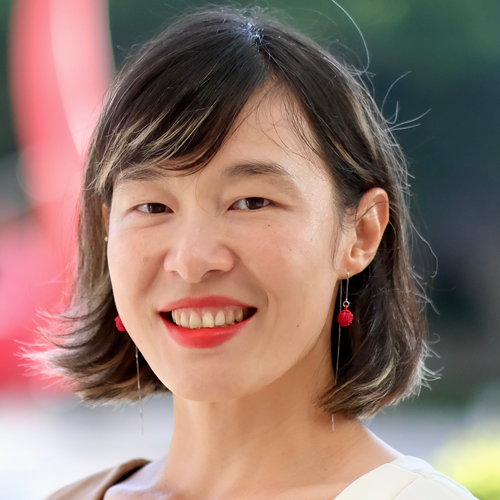
Angela Wu, PhD
The Division of Life Science and the Department of Chemical and Biological Engineering, The Hong Kong University of Science and Technology, Hong Kong
-
Angela Ruohao Wu is an Associate Professor jointly appointed in the Division of Life Science and the Department of Chemical and Biological Engineering at The Hong Kong University of Science and Technology.
-
Trained as a bioengineer at UC Berkeley and Stanford University, Dr. Angela Ruohao Wu brings interdisciplinary expertise in microfluidics, molecular biology, genomics, and bioinformatics. As one of the earliest scientists in the single-cell genomics space, she pioneered microfluidic chromatin immunoprecipitation (ChIP) and single-cell RNA-sequencing methodologies. Her research group develops integrated platforms that combine microfluidic tools ("hardware") with genomic analysis ("software") to enable quantitative measurement of complex biological systems. Dr. Wu actively collaborates across disciplines to tackle challenges in cancer biology, tissue engineering, organoids, ecology, and AI/statistical method development. She is also an entrepreneur, having co-founded two biotech companies: Agenovir, a genome editing-based antiviral therapeutics company, and Z-Omics, focused on single-cell technology for target discovery.
Angela's work in bridging microfluidics and biology has been recognized with numerous honors, including being named a MIT Technology Review Innovator Under 35 Asia, a World Economic Forum Young Scientist, an Outstanding Young Faculty by IEEE EMBS, and a Schmidt Polymath in 2025.
-
The stem cell field has consistently been an early adopter of transformative technologies, from advanced imaging platforms to single-cell genomics to CRISPR. Today, the most pressing issue is ensuring our community not only adopts but actively shapes the next technology revolution: artificial intelligence (AI) and advanced data science. Like in the early days of single-cell RNA-seq, a field I helped pioneer, initially there is a gap between the developers of powerful new tools and the biologists who use them. Understanding AI's potential, its interpretability, its limitations, and its ethical application in stem cell research is not a distant horizon; it is an immediate challenge.
My priority on the Board would be to bridge this gap. As a technologist who is also active and integrated in biological communities, I will work to foster deeper dialogue between tool developers and stem cell scientists. ISSCR must be the forum where we collectively establish best practices, identify critical needs, and leverage technologies like AI, spatial omics, and engineered microsystems to accelerate discovery and therapeutic translation. The goal is to move toward a deeper collaborative model of “co-creation” between technologists and stem cell biologists, ensuring our community can harness these tools effectively and expeditiously.
-
My service to the ISSCR community—on the Early Career Scientists Committee (2020-2023) and as a 2025 General Meeting Track Chair—has given me a deep appreciation for ISSCR’s role in bridging discovery with clinical and societal impact. I am running for the Board to strategically build another essential bridge: the connection between pioneering technology and stem cell biology.
My career has been dedicated to connecting disparate fields, and I have a unique cross-community presence, organizing conferences on microfluidics (Chair, EMBL Conferences on Microfluidics; Co-chair, Gordon Research Conference on Microfluidics), on single-cell genomics (Chair, Human Cell Atlas Asia; Co-organizer, Cold Spring Harbor Asia Meeting on Single Cell Genomics), and on bioinformatics and statistics (Co-organizer, Banff International Research Station Workshop on Spatial Omics). I also serve on the Advisory Board for Lab on a Chip. These experiences have built a wide network across engineering, genomics, and bioinformatics. If I become a Board member, I will leverage this perspective to proactively identify emerging tools, facilitate interdisciplinary collaborations, and help guide ISSCR’s educational and programmatic initiatives to ensure we are at the technological frontier.
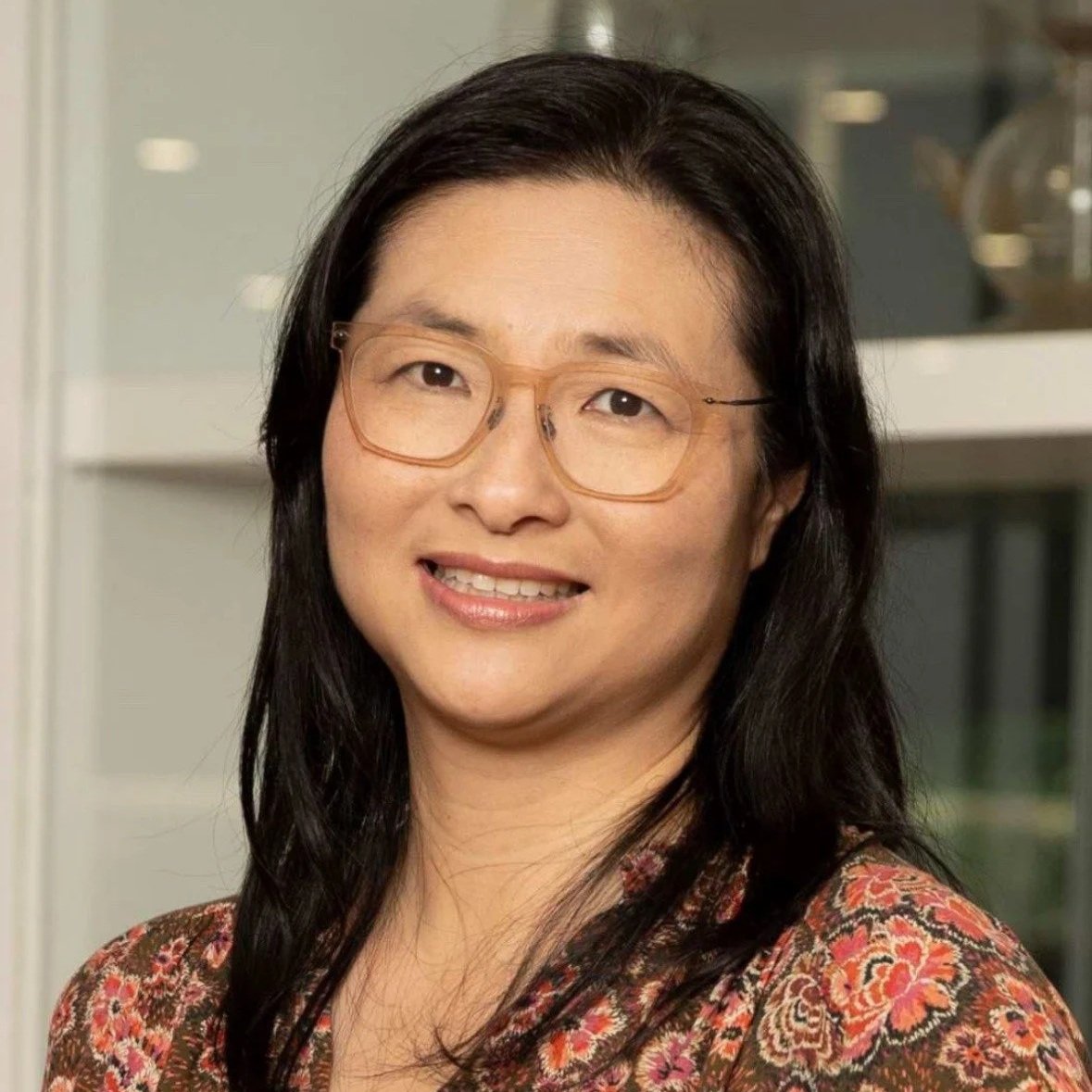
Jean Yang, PhD
The University of Sydney and the Sydney Precision Data Science Centre, Australia
-
Jean Yang is a Professor of Statistics and Data Science at the University of Sydney and the Director of the Sydney Precision Data Science Centre.
-
Professor Jean Yang is a leader in statistical bioinformatics who works in cutting-edge biomedical research. She is currently the Director of the Sydney Precision Data Science Centre and an NHMRC Investigator Fellow. Her research has led to seminal advances in integrating multi-layered biological data by removing extraneous variability and accounting for heterogeneity. Recently, she has made similarly significant advances in scalable data integration in single-cell transcriptomics sequencing. The success of her work has enabled world-leading research into melanoma, coronary artery disease, Parkinson’s disease and kidney transplants.
She was awarded the 2015 Moran Medal in statistics by the Australian Academy of Science in recognition of her work developing methods for molecular data arising from cutting-edge biomedical research. She was elected a Senior Fellow of the Australian Bioinformatics and Computational Biology Society in 2022 and inducted as a fellow of the Royal Society of New South Wales in 2025. As a statistical data scientist who works at the interface of statistics, biomedicine, and health, she enjoys developing novel methods with translational potential in a collaborative environment, working closely with investigators from diverse backgrounds.
-
There are many important issues for the ISSCR, from fast-moving technologies to ethics, regulation and equity in the community. Among these, one issue that is closer to my expertise and has become more visible over the last year is how the stem cell field should engage with artificial intelligence (AI). Similar to many other areas of biomedical research, stem cell science is experiencing a rapid increase in the generation of large, complex datasets from high-throughput biotechnologies. At the same time, there has been a proliferation of data science and AI methods and tools, many of which make “bold claims” about their capabilities. The transparency of computational tools is also at an all-time low, as the complexity of the algorithms behind these tools is increasingly difficult to understand. This has created a situation where many scientist are feeling uncertain about how to effectively and responsibly engage with these new computational approaches; at the same time, there is also a risk that scientific discoveries may be misleading due to a lack of detailed understanding of their assumptions or potential biases.
From my perspective, one issue on the horizon for the ISSCR is how to build and support a community that can collectively navigate in navigating this rapidly changing landscape. To ensure that a robust strategy or framework exists to identify reliable methods, encourage careful benchmarking and evaluation, and promote the responsible and transparent use of AI in stem cell research. -
I am a Professor at the University of Sydney, working at the interface of statistics, artificial intelligence, and biomedicine. I have a sustained track record of developing reproducible analytical frameworks for high-dimensional biological and biomedical data. My work spans from early microarray studies to state-of-the-art single-cell and spatial omics; while these technologies offer great promise for stem cell research, they also pose challenges in distinguishing meaningful biology from technical and biological noise. As a computational researcher, my work has consistently focused on data integration across biotechnological platforms and on removing unwanted variation to enable robust extraction of the true biological signal. In recent years, I have become increasingly committed to ensuring that the application of data science and AI in biomedical research is carefully benchmarked, rigorously assessed, and performed responsibly.
My interest in serving in this role is to help shape the interface of data science, AI and the field of stem cell research, ensuring that both the strengths and limitations of data science and AI are clearly understood and appropriately used. Thus, while facilitating scientists to leverage the computational power of data science and AI for discovery and translation, the community should also maintain a strong critical awareness of the underlying risks and potential biases. In addition, as both a researcher and educator, I have helped launch the careers of many interdisciplinary scientists. In this role, alongside contributing my quantitative expertise, I would continue to bring a strong commitment to mentoring early-career researchers, with a strong focus on facilitating interdisciplinary collaboration.
Current Director Candidate for Re-Appointment
This director has served one term and are eligible for re-appointment. Directors can serve up to two terms.
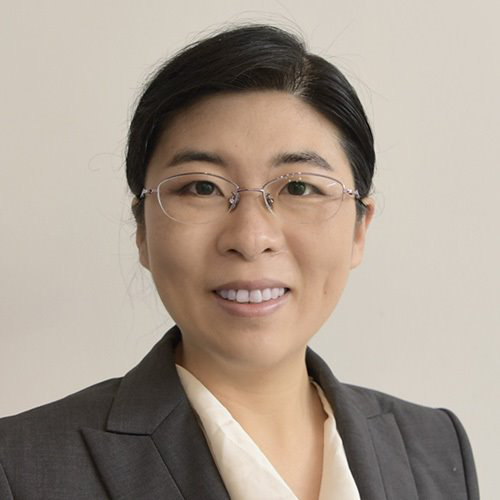
Shuibing Chen, PhD
Weill Cornell Medicine, USA
-
Dr. Shuibing Chen is the Kilts Family Professor and Vice Chair of Innovation in the Department of Surgery and Director of the Center for Genomic Health at Weill Cornell Medicine.
-
Dr. Chen is an internationally recognized leader in human stem cell biology, disease modeling, and translational discovery. Her research program focuses on the development and application of human pluripotent stem cell–derived organoids and multi-tissue systems to model human development, disease mechanisms, and therapeutic responses. By integrating chemical biology, functional genomics, single-cell and spatial omics, and emerging AI/ML approaches, her laboratory has established scalable, human-relevant platforms for drug discovery, toxicity testing, and precision medicine. Her work has been published in leading journals, including Nature, Nature Medicine, Nature Cell Biology, Cell Stem Cell, and Cell Metabolism.
In addition to her scientific contributions, Dr. Chen has played a major leadership role in building community-scale research infrastructure. She has served as a Multiple Principal Investigator on several NIH-funded data science and consortium initiatives, including dkNET, PanKbase, and MAI-T1D, with a focus on data standardization, accessibility, and cross-disciplinary collaboration.
Dr. Chen currently serves on the Board of Directors of the International Society for Stem Cell Research and the International Chemical Biology Society. She co-chairs the ISSCR Consortium on Advanced Stem Cell-Based Models in Drug Discovery and Development, fostering global collaboration between academia, industry, and regulatory stakeholders. She also serves on the editorial boards of Cell Stem Cell, Cell Blue and Stem Cell Reports. Her contributions have been recognized with numerous honors, including the New York Stem Cell Foundation Robertson Investigator Award, the American Diabetes Association Innovative Award, the NIH Director’s New Innovator Award, and the ISSCR Dr. Susan Lim Award for Outstanding Young Investigator.
-
ISSCR stands at a pivotal moment as stem cell science continues to expand in scientific scope, translational reach, and societal impact. As the leading global advocate for stem cell research, ISSCR plays a vital role in engaging policymakers, regulators, patient communities, and the public to communicate the field’s promise, ethical foundations, and long-term value. Through thoughtful advocacy and policy leadership, the Society can help shape environments that support responsible innovation, sustained investment, and broad societal benefit.
Maintaining scientific rigor remains central to ISSCR’s mission. The rapid emergence of increasingly sophisticated model systems creates both opportunity and responsibility. ISSCR is uniquely positioned to guide the community in establishing best practices for experimental design, validation, reproducibility, data sharing, and responsible interpretation, ensuring that scientific advances are robust, transparent, and trustworthy.
Deepening engagement with industry is another critical priority on the horizon. Strategic collaboration with biotechnology, pharmaceutical, and technology partners is essential to scale stem cell technologies, enable manufacturing and regulatory readiness, and accelerate translation from discovery to therapy. By serving as a neutral global convener, ISSCR can foster precompetitive partnerships that align academia, industry, regulators, and patient stakeholders around shared standards and translational pathways.
Finally, sustained global engagement and inclusivity are essential to the Society’s future impact. Supporting participation across diverse geographic regions, institutional settings, and career stages, particularly as advanced technologies and computational capabilities become increasingly central, will ensure that the benefits of stem cell research are realized worldwide.
-
As a recipient of the ISSCR Susan Lim Award and a current member of the ISSCR, I have benefited greatly from the mentorship, leadership, and collaborative culture fostered by the Society. Continuing to serve on the ISSCR Board would provide a meaningful opportunity for me to give back to the community by further strengthening the organizational infrastructure that supports effective coordination among the Board of Directors, Executive Team, staff, and standing committees.
My interest in continued Board service is informed by my engagement with ISSCR in multiple leadership roles, including as co-Chair of the ISSCR Consortium on Advanced Stem Cell-Based Models in Drug Discovery and Development, co-Chair of 2026 Nomination Committee, a member of the 2026 ISSCR Annual Meeting Program Committee, and Chair of the San Diego Regional Meeting Program Committee. These experiences have provided me with firsthand insight into program development, cross-stakeholder coordination, and strategic planning at the Society level, which I would continue to bring to the Board.
Looking ahead, I am particularly committed to advancing three priorities. First, I aim to strengthen connections between basic stem cell biology and clinical translation by fostering dialogue across scientific, clinical, regulatory, and industry communities. Second, I seek to support the thoughtful integration of emerging technologies, including AI and machine learning, to enhance research rigor, collaboration, and community resources. Third, I am deeply invested in mentoring and empowering the next generation of stem cell leaders through trainee-led programming, student chapters, and structured mentoring initiatives.
As an Asian female scientist, I strongly believe that diversity in gender, geography, and scientific perspective is essential to the vitality and success of ISSCR. I look forward to continuing to work with fellow Board members to advance an inclusive, innovative, and globally engaged Society.
About the ISSCR Board and Nominating Process
The ISSCR Board of Directors consists of 24 members across five continents, representing multiple disciples across the field. Six officers comprise the Executive Committee: the President, President-elect, Vice President, Past President, Clerk, and Treasurer. Board members are charged with the strategic direction of the society, towards the mission to promote excellence in stem cell research and applications to human health.
Nominations for the Board of Directors are submitted by the ISSCR community through an open call each year in September. All nominations are reviewed by the Nominations Committee, chaired by the Past President. Candidates are selected with attention given to scientific authority, international diversity, overall board composition, and alignment with strategic initiatives of the organization.
Please contact the ISSCR with questions.