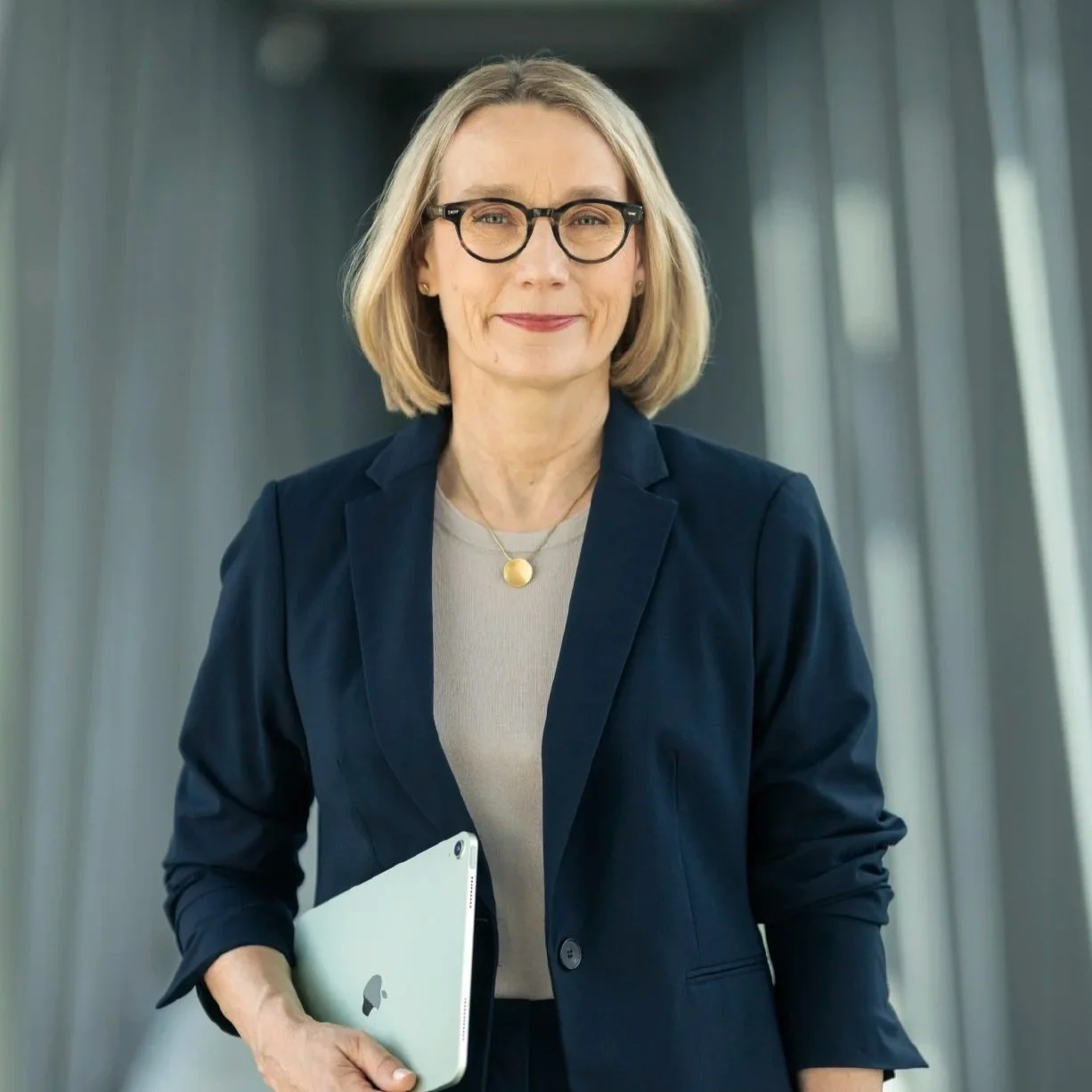
Maike Sander, MD
Max Delbrück Center for Molecular Medicine, Germany
Medicine at Charité – Universitätsmedizin Berlin, Germany
Hometown
Göttingen, Germany
Current Residence
Berlin, Germany
Graduate Degree
M.D.
Postdoc Work
I trained as a developmental biologist at the University of California, San Francisco, where I investigated transcriptional regulators of pancreas and neuronal development in the laboratories of Drs. Michael German, Gail Martin, and John Rubenstein.
Current Position
I serve as Scientific Director of the Max Delbrück Center for Molecular Medicine and am a Professor of Medicine at Charité – Universitätsmedizin Berlin.
ISSCR Participation
Speaker at the iPSC 20th Anniversary Symposium: 20 Years of iPSC Discovery: A Celebration and Vision for the Future
-
In my laboratory, we study the molecular mechanisms that control the development and function of pancreatic beta cells to identify new therapeutic approaches for diabetes, using stem cell models and advanced genomic technologies. As Scientific Director of the Max Delbrück Center, I collaborate with colleagues to shape and implement strategies for precision medicine and prevention across a broad range of diseases.
-
Research from my laboratory has helped pave the way for new cell therapies for diabetes. These therapies, which are now being tested in clinical trials, could one day free people with diabetes from the need for daily insulin injections. Our current work focuses on improving how insulin-producing cells are made from stem cells to ensure these treatments are safe and reliable.
-
What I find most rewarding is working with people and discovering something new together. Seeing trainees from my lab grow and succeed - whether in academia or industry - has been the most fulfilling part of my career. Now, as I direct a research institute, I also greatly enjoy collaboration at a larger scale; exchanging ideas, developing innovative visions for the future, and ensuring that the institution remains at the cutting edge and resilient.
-
I was drawn to science by curiosity and the thrill of discovering things that were still unknown to humankind. I have always valued the independence and self-determination that come with being a scientist, the freedom to ask important questions and pursue them deeply. Trained as a medical doctor, I was naturally drawn to research questions with clear disease relevance, which ultimately led me to stem cell research as a way to understand disease mechanisms and develop new therapeutic approaches.
-
I would encourage trainees to think about where the field could be in 10-15 years, not just where it stands today. Many transformative advances will come from questions and approaches that are not yet widely explored. Training at the intersection of disciplines will help new trainees develop a unique perspective and create new ways to advance knowledge and impact.
-
My postdoctoral training at UCSF was transformative. Working across three different laboratories exposed me to unique mentoring styles and research environments. My time in the labs of Gail Martin and John Rubenstein provided the foundation in developmental biology that ultimately led me into stem cell research.
-
In my free time, I enjoy being physically active, foremost cycling, running, and swimming, ideally outdoors and close to nature. After a good workout, I love to unwind with a good book.
-
I completed the Ironman in Kona, Hawaii, and later placed on the podium at the U.S. Masters National Road Cycling Championships.
-
The sense of community and the opportunity to connect with colleagues in the field through the conferences.