Member Spotlight: Ricardo Baptista, PhD
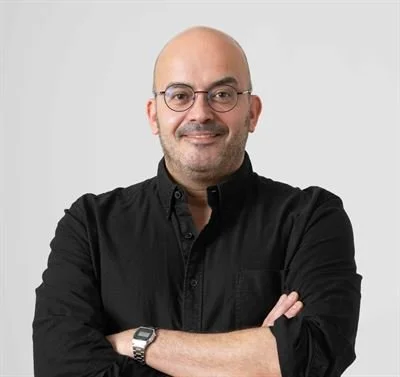
Ricardo Baptista, PhD
SmartCella, Sweden
Procella Therapeutics, Sweden
Hometown
Lisbon, Portugal
Current Residence
Stockholm, Sweden
Graduate Degree
Eng PhD
Postdoc Work
Large scale production of a recombinant lipase and structure/function stabilisation by Threhalose
Current Position
Chief Technology Officer SmartCella and Head of Procella
ISSCR Participation
Best Practices Steering Committee
-
The translational development of advanced cell therapies, bridging stem cell biology, GMP manufacturing, and targeted delivery technologies to enable safe, scalable, and clinically effective regenerative medicines.
-
I work on turning promising stem cell research into real medicines that can actually be used in patients. That means making sure the cells are safe, can be produced reliably at high quality and large quantities, and are delivered exactly where they are needed in the body.
-
Working with and learning from the pluridisciplinary team, from stem cell biology to process engineering and GMP manufacturing to clinical trial design and applications
-
Scientist: curiosity for the unknown and creativity with my Legos
Stem cell scientist: when I joined Peter Zandstra Bioengineering Lab in Toronto
-
Follow your instincts and scientific knowledge, be curious, failure is always a learning experience, and think big - today's impossible is tomorrow's reality
-
Daniel Otzen - Aalborg and Aarhus University
Peter Zandstra- University of Toronto and CCRM
Jacqueline Barry - Cell and Gene Therapy Catapult
Elsy Boglioli-Cellectis -
Watching dance and theatre, swimming, reading, riding my Vespa, cooking, be out and about with friends and family = eating and drinking :)
-
I was a professional actor and dancer when I was younger and way, way slimmer
-
It’s especially valuable as a forum where best practices, regulatory expectations, and emerging science are discussed openly, helping the field mature responsibly. It also provides a trusted community where hard questions can be debated constructively—something that is essential for advancing PSC therapies with rigour and integrity.
-
Having worked through the practical challenges of translating PSC therapies, I see the Best Practices resource as a way to democratise hard-won experience, helping developers avoid repeating known pitfalls and make smarter decisions earlier. Its real impact will be accelerating safe, scalable, and clinically credible PSC therapies by encouraging development with the end in mind—ultimately benefiting both developers and patients.