
ISSCR News
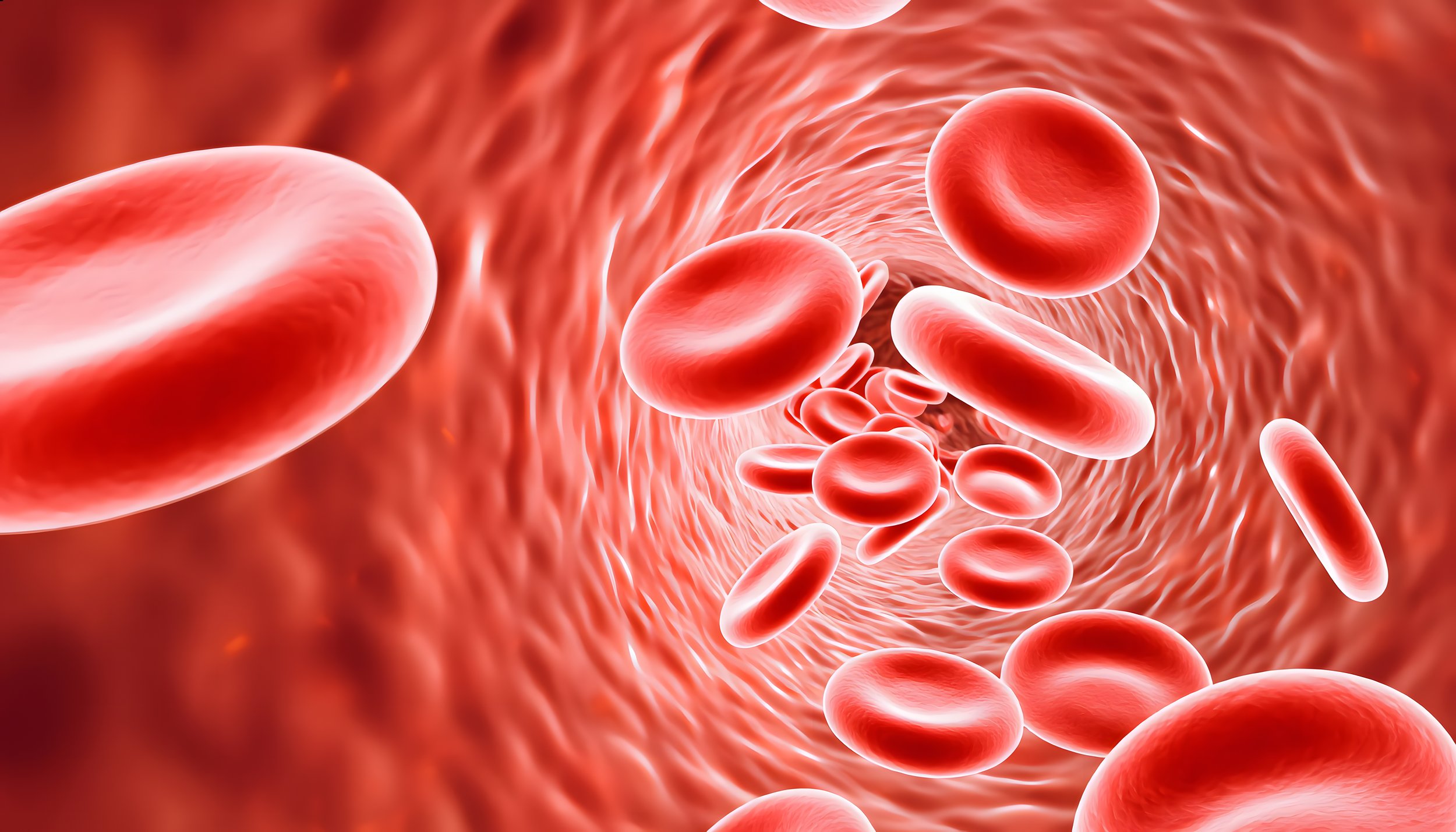
Scientists Use Stem Cells to Move Closer to Large-Scale Manufacturing of Platelets
Platelets are small, disc-shaped cell fragments in the blood that are essential to stop bleeding and to initiate blood clotting after injury. Platelet transfusions in patients with severe trauma or medical conditions, including bone marrow disease, leukemia, or sepsis, can be lifesaving. Despite being a standard clinical practice, platelet transfusions face issues related to the availability of blood donations from which platelets are isolated, the relatively short shelf life of purified platelets, and the risk of an immune response in patients receiving platelets from unmatched donors.
The ISSCR Holds Second Meeting With UK Regulators on the Use of AI to Develop Stem Cell Therapies
The International Society for Stem Cell Research (ISSCR) held its second Broader Scope Scientific Advice meeting with the United Kingdom’s Medicines and Healthcare products Regulatory Agency (MHRA) on October 29, 2025, focusing on the use of artificial intelligence (AI) in developing stem cell therapies.
The session explored key topics including the current state and challenges of AI, machine learning, and digitalization systems for automation in cell and gene therapy; applications of AI in autologous iPSC-derived RPE cell therapy; and AI-based image analysis for in-process characterization and decision-making during iPSC generation.

Human Stomach Cells Tweaked to Make Insulin to Treat Diabetes
Type 1 diabetes is caused by an insufficient production of the hormone insulin by cells in the pancreas called beta cells and estimated to affect 9.5 million people worldwide. Low insulin levels allow glucose levels to remain elevated, which in the long term can damage organs such as the kidneys, the eyes, and the cardiovascular system. People with diabetes require lifelong monitoring of blood sugar levels coupled with insulin injections to keep blood sugar levels at a stable, healthy level.
A potential new treatment option for those patients is the replacement of lost or dysfunctional pancreatic beta cells, either by cell transplantation, or by the generation of new beta cells from existing cells within the body. This latter strategy was pursued by the team of Xiaofeng Huang from Weill Cornell Medicine, USA and Qing Xia from Peking University, China who previously discovered that cells in the mouse stomach can be transformed into pancreatic beta cells by genetic engineering.

The ISSCR and Stem Cell Network Launch Global Workforce Development in Stem Cell Research and Regenerative Medicine Partnership
The International Society for Stem Cell Research (ISSCR) and the Stem Cell Network (SCN) are pleased to partner to lead a joint initiative and a global conversation on workforce development in regenerative medicine. Through this collaboration, the organizations will examine current challenges and opportunities in trainee career development, identify skills gaps and future needs, and discuss strategies to help the field build the talent required for continued discovery, innovation, and health impact.

Registration and Abstract Submission Open for “20 Years of iPSC Discovery: A Celebration and Vision for the Future,” 20-22 October 2026, Kyoto, Japan
The International Society for Stem Cell Research (ISSCR) today announced that registration and abstract submission are open for the ISSCR International Symposium: 20 Years of iPSC Discovery: A Celebration and Vision for the Future, co-sponsored by the Japanese Society for Regenerative Medicine. The symposium will take place 20–22 October 2026 in Kyoto, Japan.
Developed in partnership with the Center for iPS Cell Research and Application (CiRA) at Kyoto University, the scientific program is chaired by Shinya Yamanaka, recipient of the 2012 Nobel Prize in Physiology or Medicine for the discovery of induced pluripotent stem cells (iPSCs), an honor he shared with the late Sir John Gurdon.
Receive ISSCR Press Releases
Sign up be a part of ISSCR’s media list. Media Contact: Kym Kilbourne, Director of Media and Strategic Communications
Subscribe to ISSCR News.
Each month, ISSCR delivers scientific, policy, and community to your inbox .