
ISSCR News
New Podcast Episode. Making Sense of Touch
Merkel cells are specialized touch-sensing cells in the skin that detect gentle pressure and support fine motor skills. They are sparsely distributed in the basal layer of the epidermis and are concentrated in sensitive areas such as whiskers or fingertips. Despite their important function, our understanding of their development is limited, particularly in humans, largely due to the lack of validated in vitro culture systems. Our guests today created new lab models to study Merkel cells using mouse whisker tissue cultures, mouse skin organoids, and human skin organoids. These models allowed them to study Merkel cells as they develop, validate the role of known signaling pathways, and even identify some new ones. Their work provides easier access to Merkel cells for future studies including disease models to understand the pathophysiology of these cells.

Member Spotlight: Maike Sander, MD
ISSCR provides an unparalleled global community and evolving standards that bring together scientific excellence, ethical leadership, and collaboration. I value the society’s role in educating patients and convening international dialogue at conferences and symposiums.
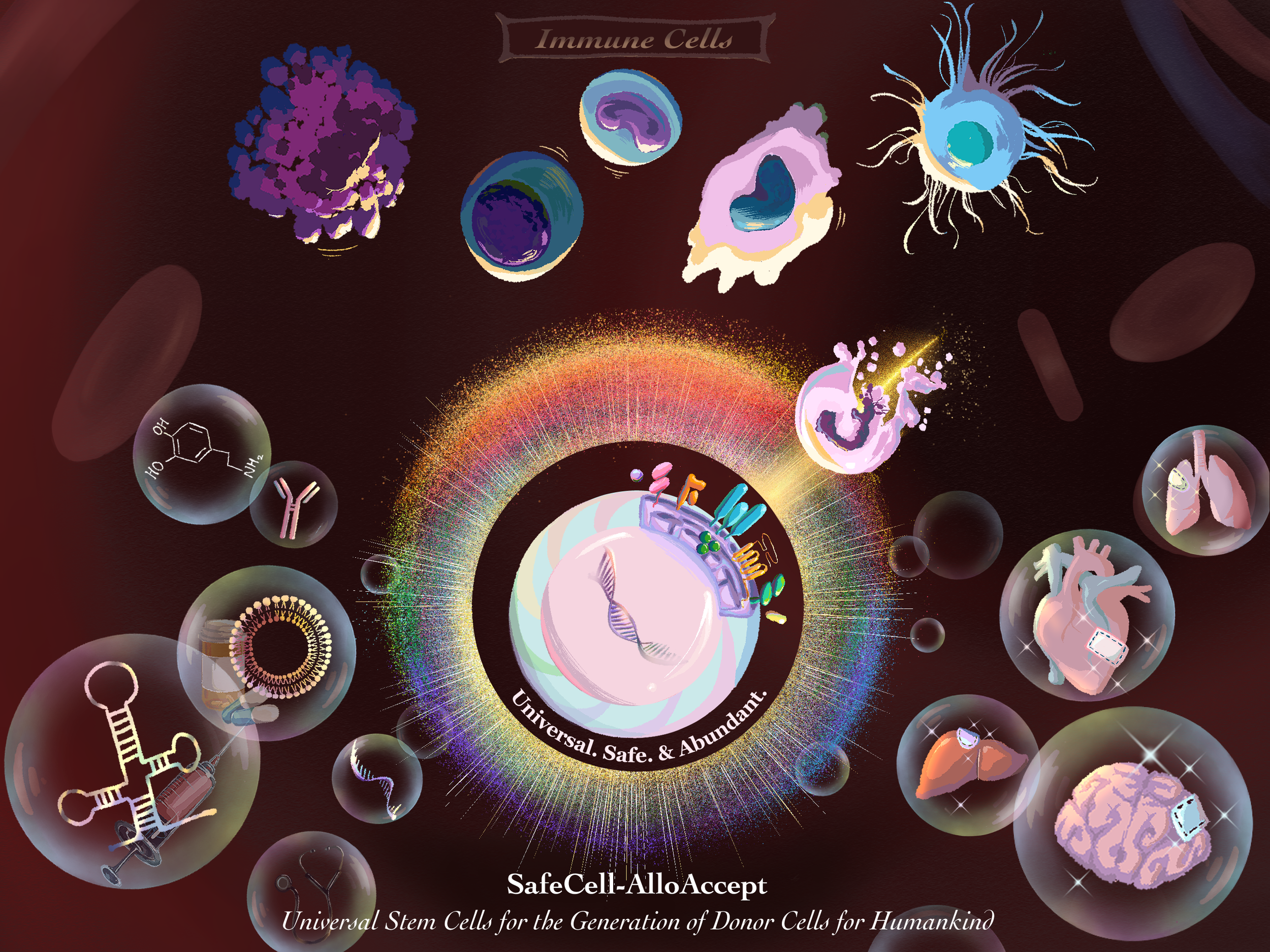
Cloaked Stem Cells Evade Immune Rejection in Mice, Pointing to a Potential Universal Donor Cell Line
A study published today in Stem Cell Reports demonstrates that genetically engineered human pluripotent stem cells (hPSCs) can overcome immune rejection in mice with humanized immune systems, surviving for five months in a stringent transplantation model. The findings provide proof-of-principle for the development of a potential universal donor hPSC line designed to resist immune attack.
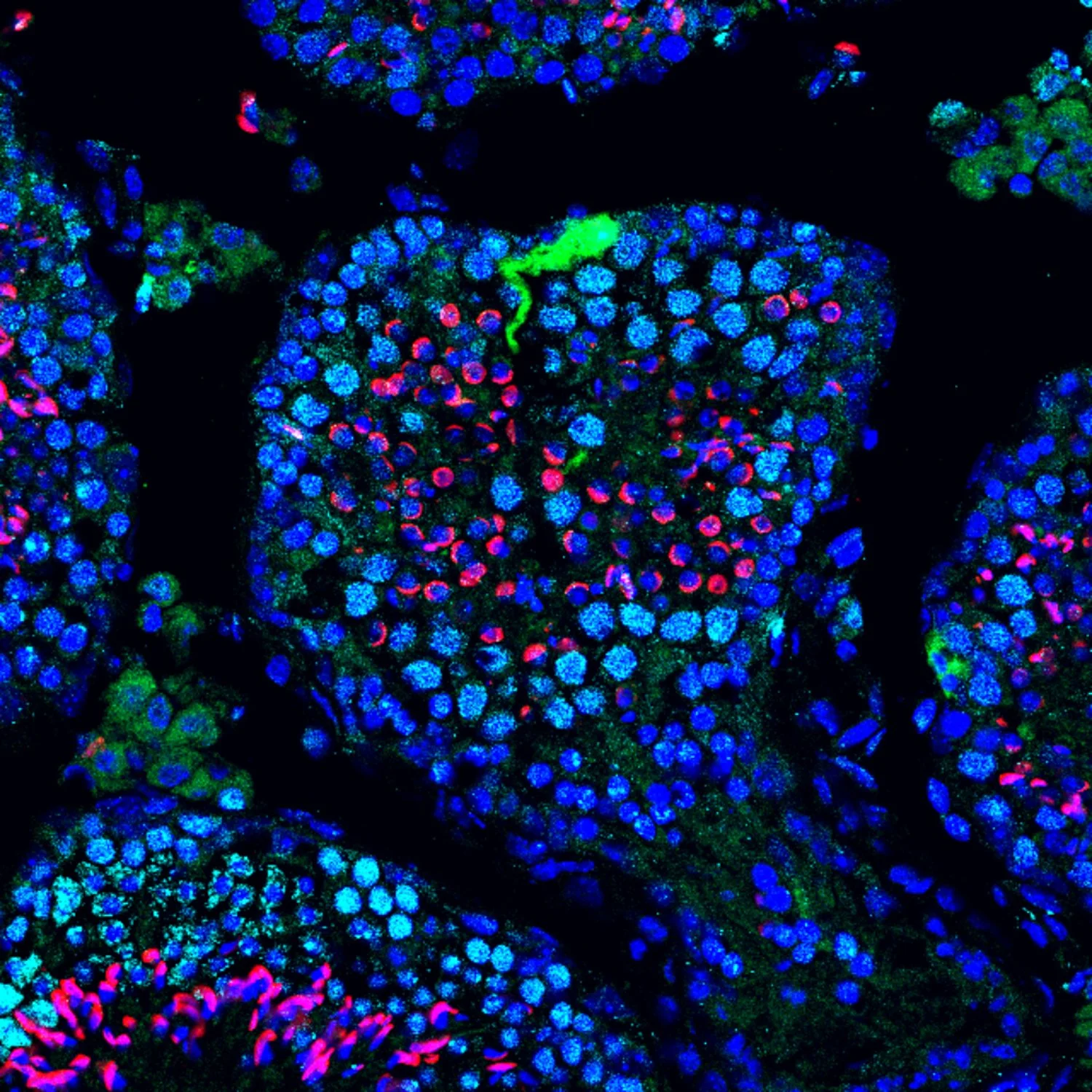
mRNA Therapy Restores Fertility in Genetically Infertile Mice
Researchers have found that targeted delivery of messenger RNA (mRNA) can restore sperm production and fertility in genetically infertile male mice. The findings, published today in Stem Cell Reports, demonstrate that transient mRNA treatment restored sperm production and enabled the birth of healthy offspring.

The ISSCR Honors Alexander Meissner with the 2026 ISSCR Momentum Award for Exceptional Work in Developmental and Stem Cell Epigenetics
The International Society for Stem Cell Research (ISSCR) is pleased to announce that Alexander Meissner, Director at the Max Planck Institute for Molecular Genetics, Germany, has been named the recipient of the 2026 ISSCR Momentum Award. The award, supported by BlueRock Therapeutics, recognizes an investigator whose sustained scientific contributions continue to shape and accelerate the field of stem cell research. Dr. Meissner will present his work during ISSCR 2026 taking place in Montréal, Canada on 8-11 July 2026.
Receive ISSCR Press Releases
Sign up be a part of ISSCR’s media list. Media Contact: Kym Kilbourne, Director of Media and Strategic Communications
Subscribe to ISSCR News.
Each month, ISSCR delivers scientific, policy, and community to your inbox .