
ISSCR News


Member Spotlight: Masayo Takahashi, MD, PhD
What I value most about ISSCR is the global, multidisciplinary community. Stem cell science advances quickly, but translation to patients requires shared standards, open discussion, ethical reflection, and international trust.

The ISSCR Releases Summary of Meeting With UK Regulators on the Use of AI to Develop Stem Cell Therapies
The International Society for Stem Cell Research (ISSCR) held its second Broader Scope Scientific Advice meeting with the United Kingdom’s Medicines and Healthcare products Regulatory Agency (MHRA) on October 29, 2025, focusing on the use of artificial intelligence (AI) in developing stem cell therapies.
The session explored key topics including the current state and challenges of AI, machine learning, and digitalization systems for automation in cell and gene therapy; applications of AI in autologous iPSC-derived RPE cell therapy; and AI-based image analysis for in-process characterization and decision-making during iPSC generation.

The ISSCR Urges Continued NIH Investment in Human Embryonic Stem Cell Research to Sustain Scientific Progress and Therapeutic Innovation
The International Society for Stem Cell Research (ISSCR) has submitted a formal response to a Request for Information (RFI) issued by the National Institutes of Health (NIH) regarding its pause on new submissions to the NIH Human Embryonic Stem Cell (hESC) Registry and considerations to reduce reliance on hESCs in federally supported research.
Representing nearly 5,000 scientists, clinicians, ethicists, and industry leaders worldwide, the ISSCR underscores that continued investment in hESC research is essential to sustaining scientific progress and advancing life-saving therapies.
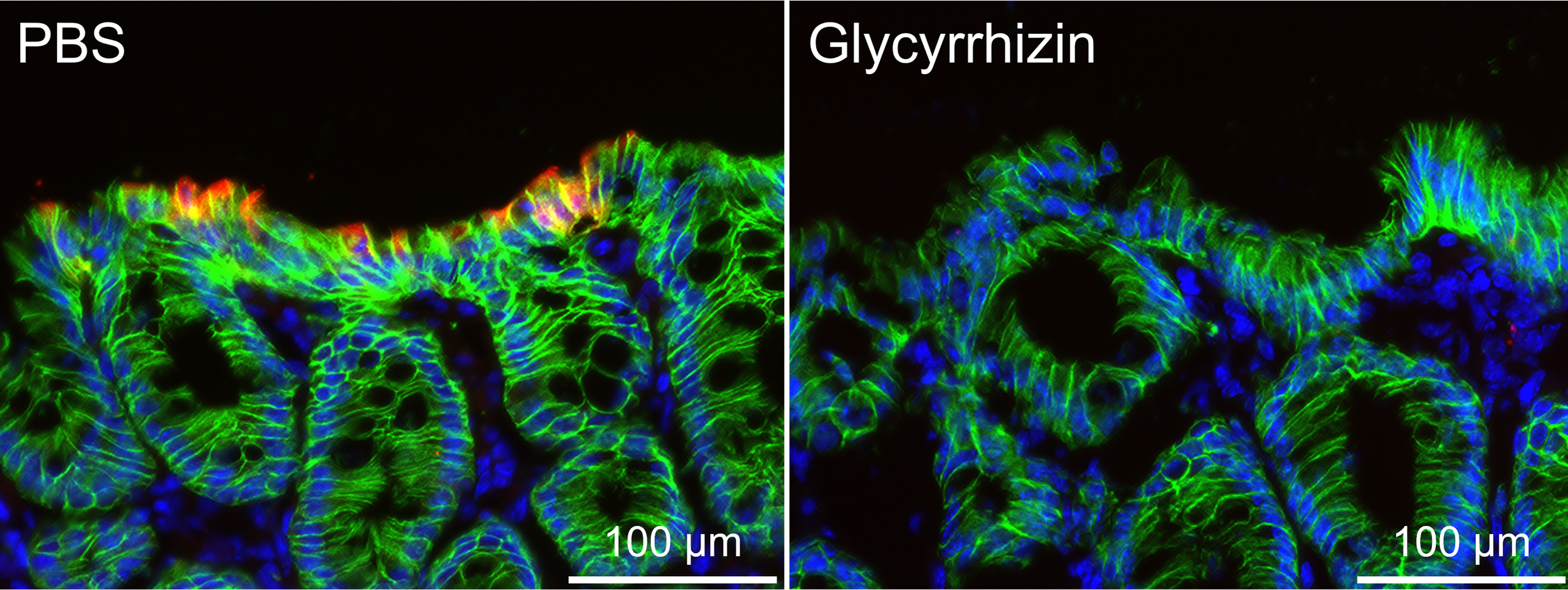
Natural Component from Licorice Alleviates Inflammatory Bowel Disease in Stem Cell-based Model and in Animals
A new study published today in Stem Cell Reports demonstrates how a human stem cell-derived model of the intestine can be used to identify potential therapies for inflammatory bowel disease (IBD), highlighting glycyrrhizin as a promising candidate for reducing intestinal inflammation and cell death.
The burden of IBD is rising globally, with an estimated 4 million people affected worldwide. The disease is characterized by chronic inflammation of the intestinal wall, leading to symptoms such as persistent diarrhea, abdominal pain, and fatigue. Standard treatments include anti-inflammatory drugs and other immune-targeting therapies, but many patients experience only limited benefit.
Receive ISSCR Press Releases
Sign up be a part of ISSCR’s media list. Media Contact: Kym Kilbourne, Director of Media and Strategic Communications
Subscribe to ISSCR News.
Each month, ISSCR delivers scientific, policy, and community to your inbox .